Clinic RX Bukit Jalil
Kuala Lumpur, Malaysia
Mon–Fri, 10am–7pm | Sat, 9am–6pm
SKIN CONDITION
Learn what causes acne, how hormonal, comedonal, inflammatory and cystic acne differ, and which doctor-led treatments may be considered based on breakout type, severity and skin tolerance.
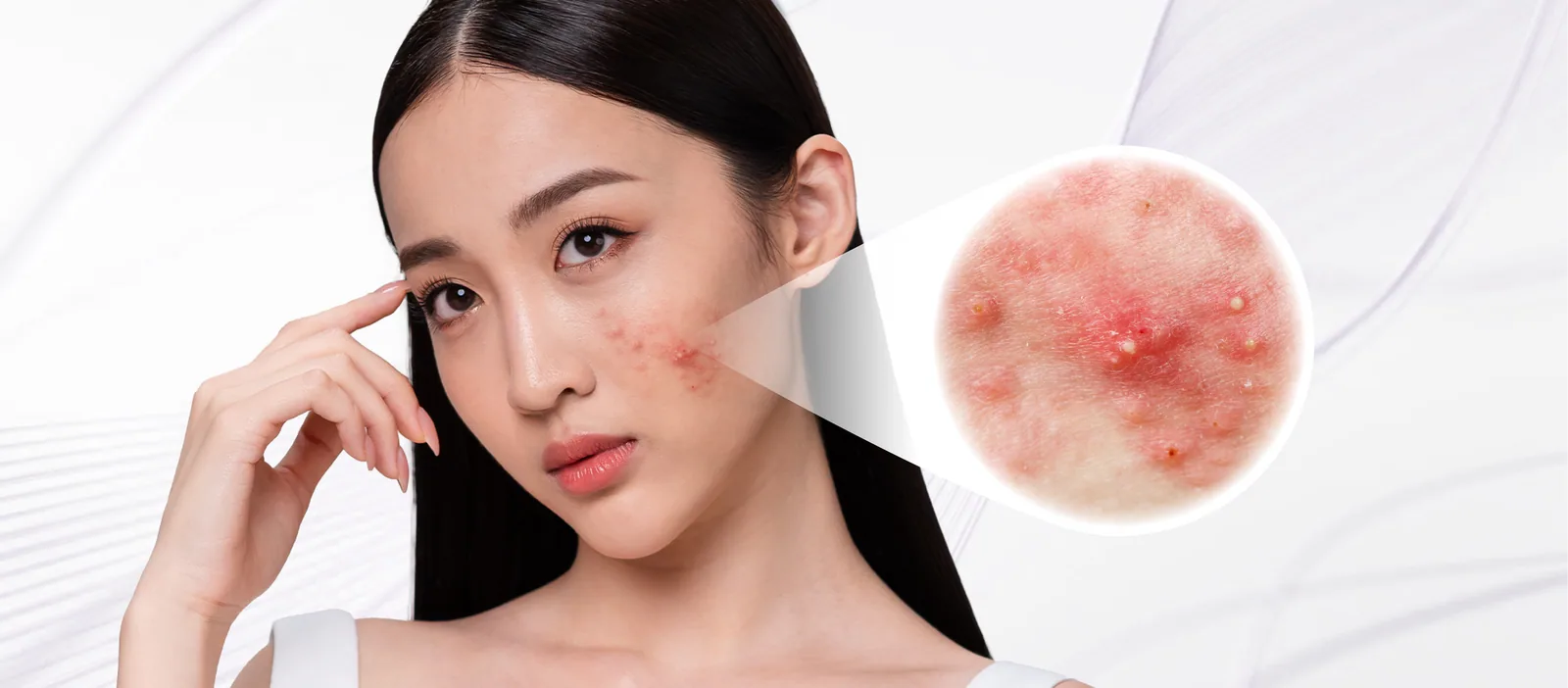
Acne is a common skin condition that can appear as clogged pores, blackheads, whiteheads, inflamed pimples or deeper painful breakouts.
The right treatment plan depends on the type and severity of acne, the amount of inflammation or congestion present, skin sensitivity and how the skin responds to treatment.
Assessment is important because active acne and acne scars are different concerns and may require different treatment approaches.
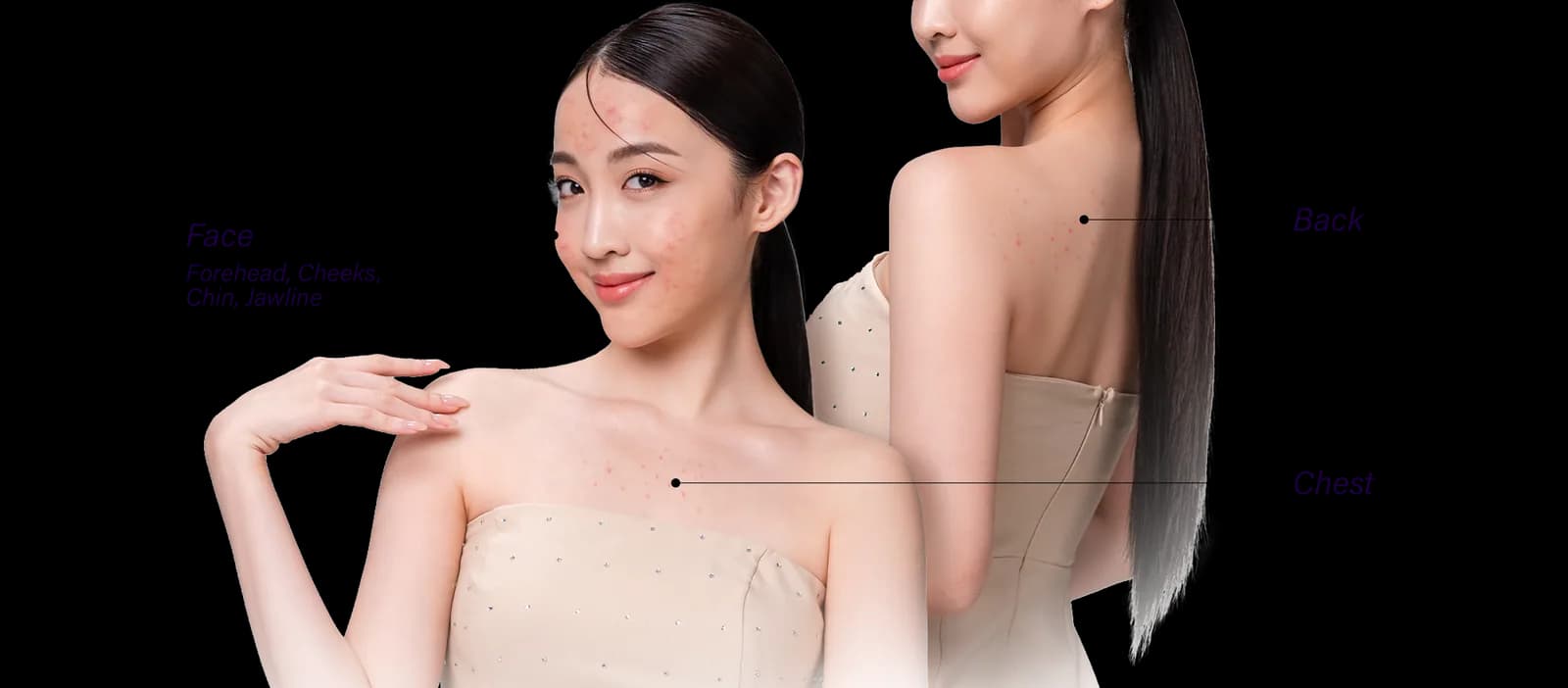
Acne treatment should match the breakout pattern. We first look at whether the skin is mainly congested, inflamed, hormonally influenced or developing deeper cystic breakouts, then adjust treatment intensity to the skin’s tolerance and response.
Acne can develop through a combination of factors, including:
Because several factors can contribute at the same time, acne treatment is usually more effective when it targets the dominant breakout pattern rather than using the same approach for everyone.
Recurring acne often requires consistent management rather than relying only on occasional treatment when a breakout appears.
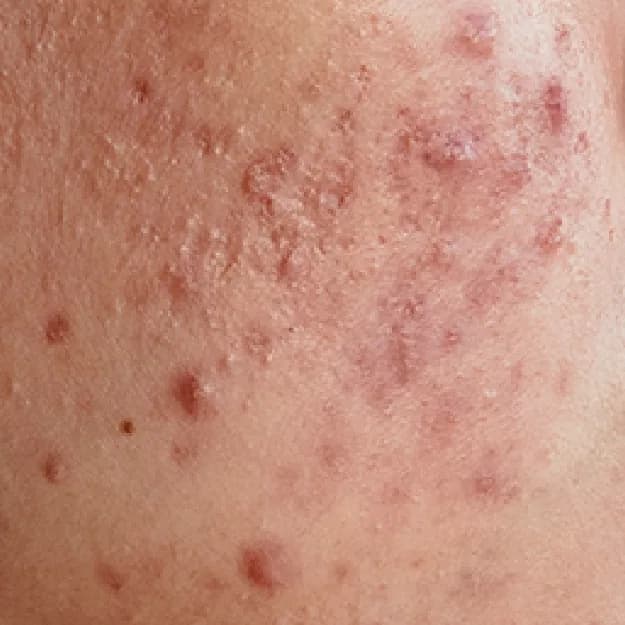
Breakouts that begin or continue during adulthood.
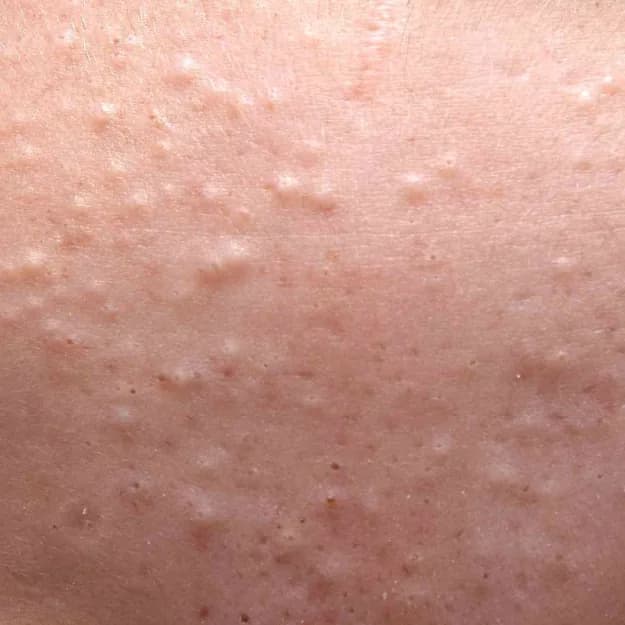
Breakouts influenced by hormonal changes or cycles.
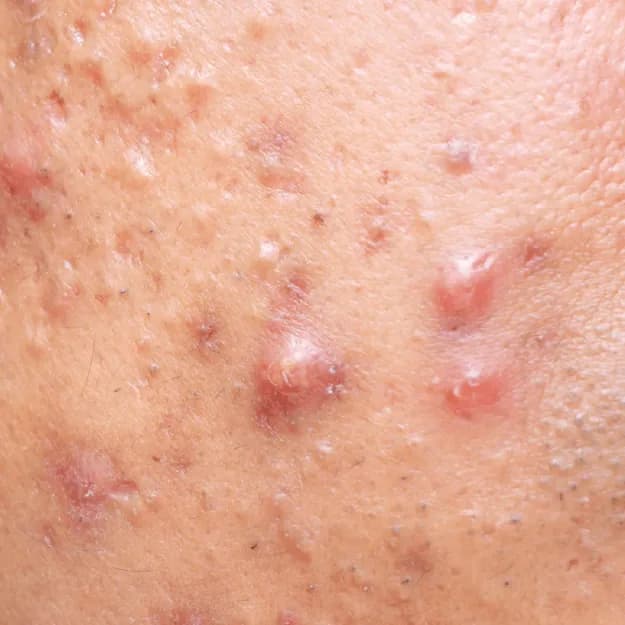
Clogged pores that appear as blackheads or whiteheads.
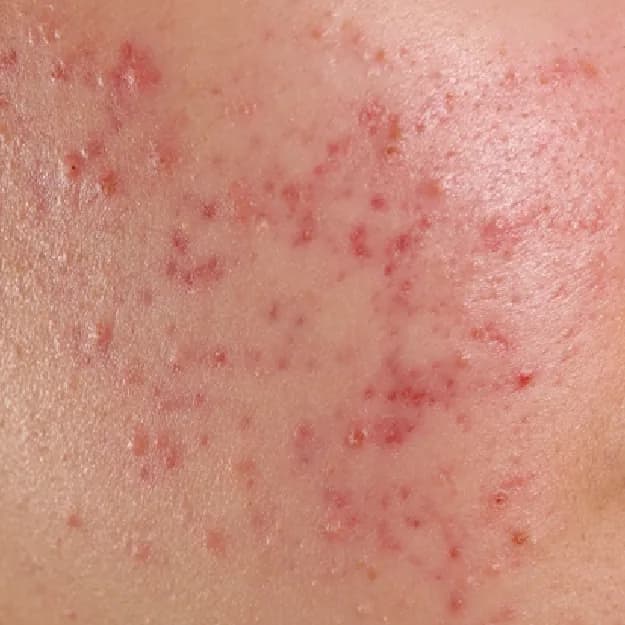
Deep, painful breakouts that form beneath the skin.
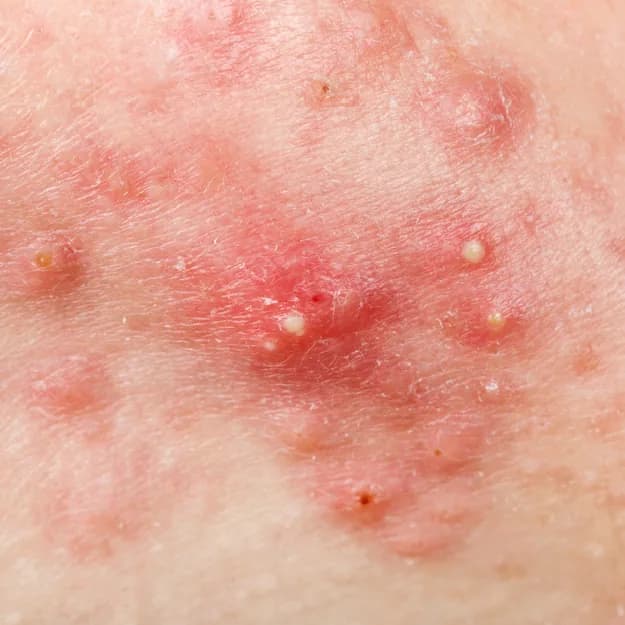
Red, swollen breakouts such as papules and pustules.
A consultation and physical assessment is required to confirm suitability — this page is general education, not a diagnosis.
The current Clinic RX Acne page lists four suggested options: Silk Infusion, Pico Laser, Yellow Laser and Botanical Peel. Final recommendations depend on doctor assessment, skin response and breakout severity.
Book Consultation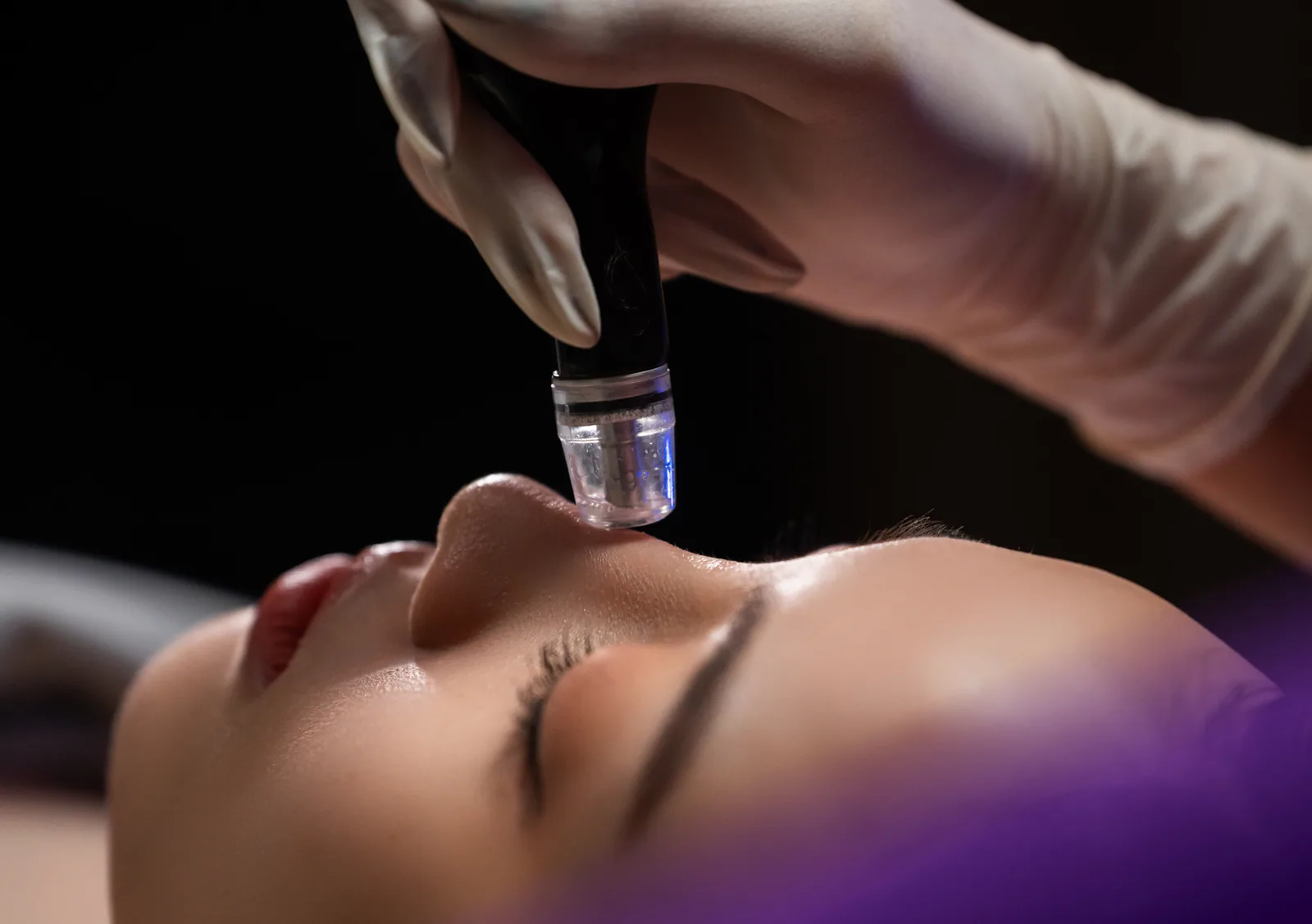 01
01Congestion, Cleansing & Hydration
Combines deep cleansing and infusion to improve congestion, hydration and skin texture. It may be considered when clogged pores and surface buildup contribute to breakouts.
 02
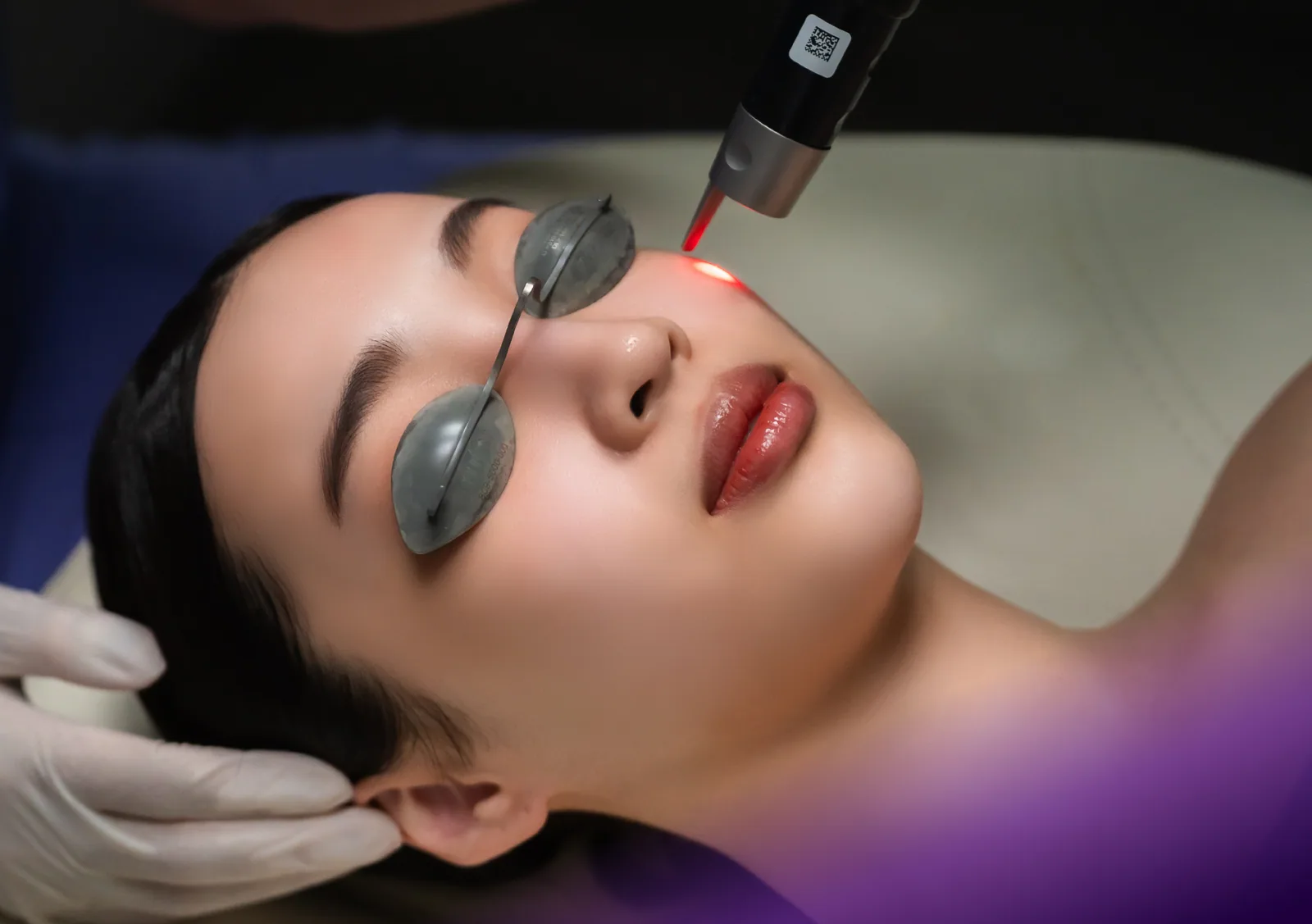
02Uneven Tone & Post-Breakout Pigmentation
Targets unwanted pigment and uneven tone while supporting clearer-looking skin. On the current Clinic RX acne page, Pico Laser is positioned primarily for pigment and tone concerns associated with acne rather than as a stand-alone treatment for every type of active acne.
 03
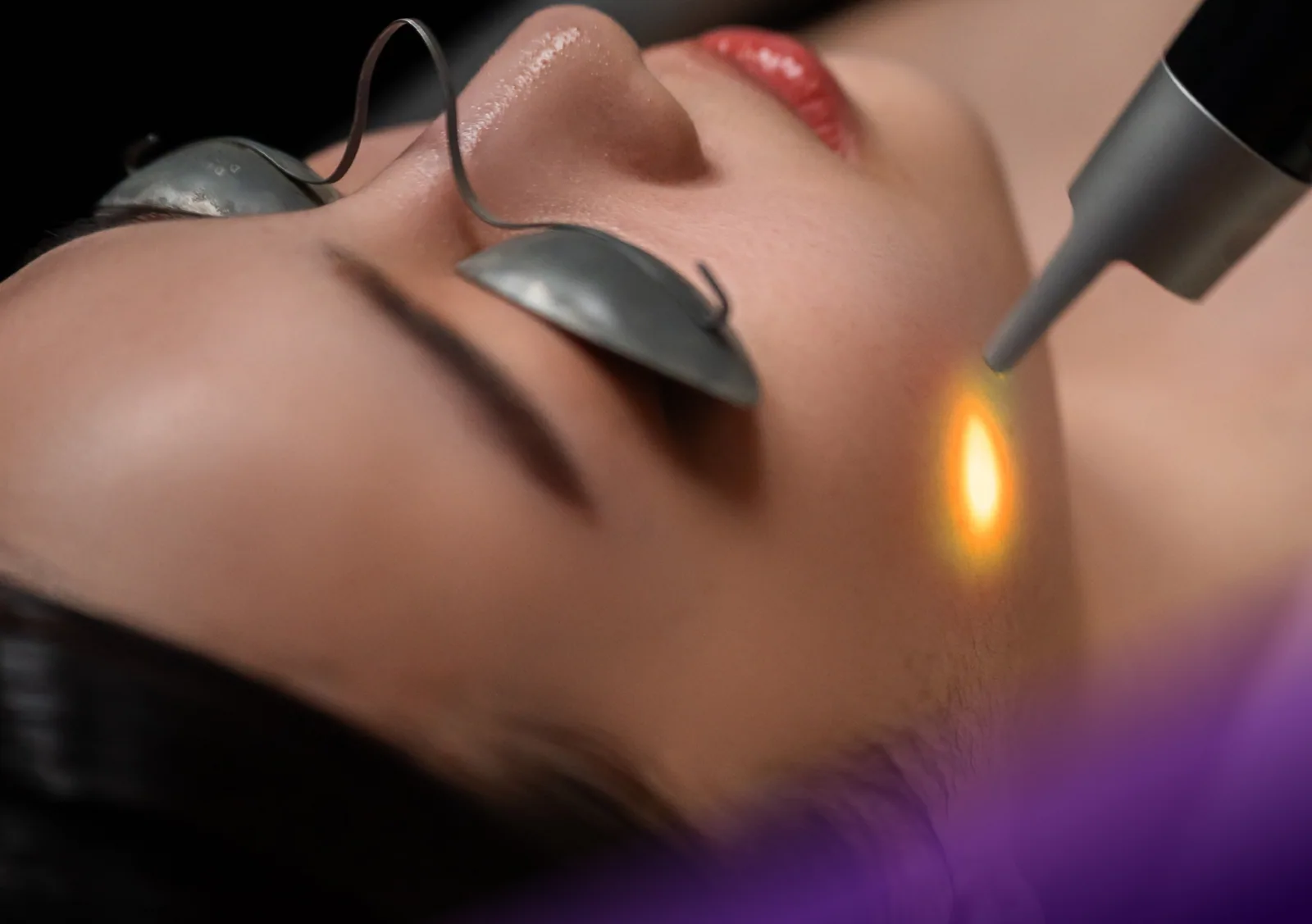
03Redness & Uneven Tone
Targets redness and uneven tone while supporting a clearer, brighter complexion. It may be considered where visible redness is an important part of the acne concern.
 04
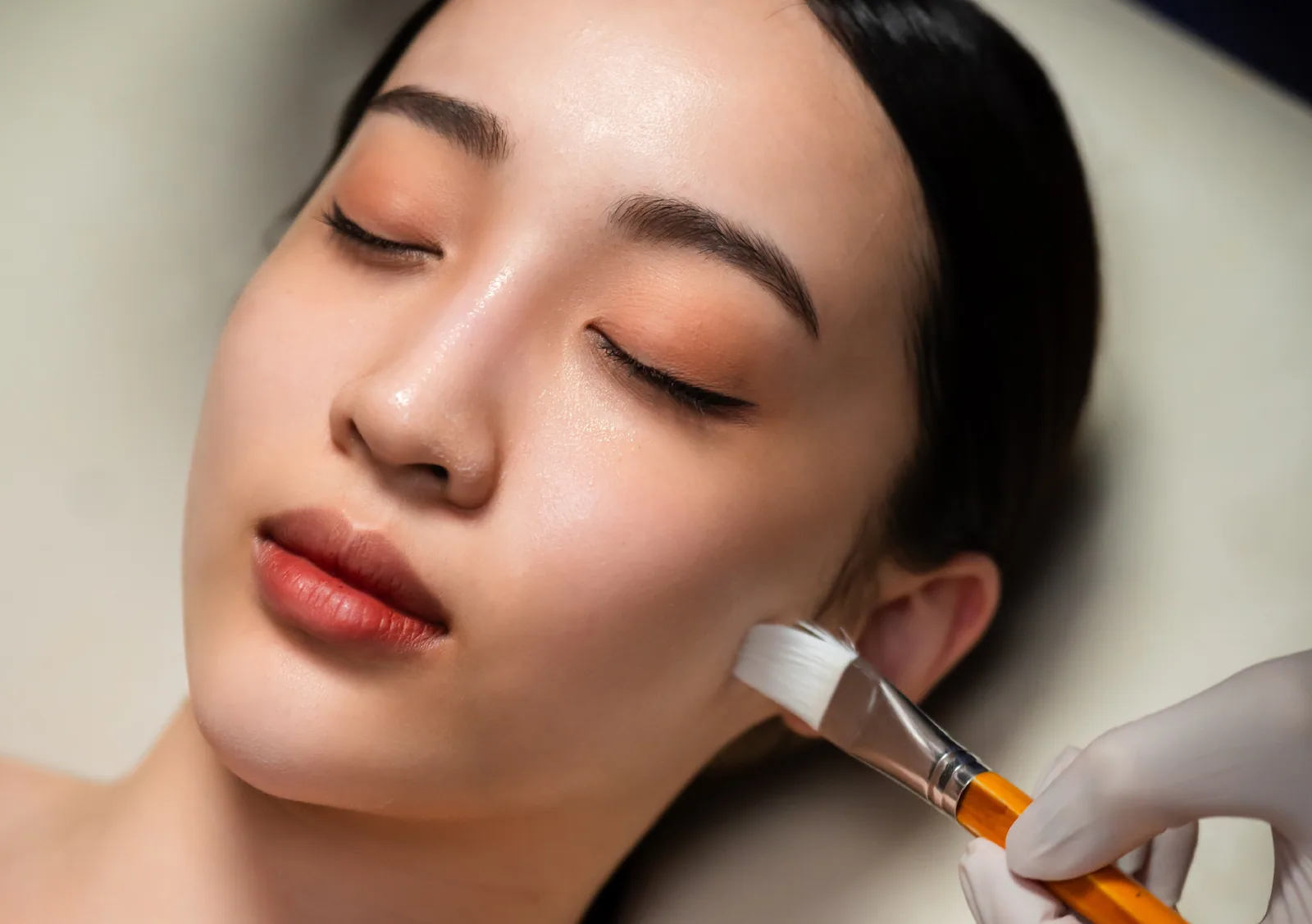
04Congestion, Renewal & Post-Breakout Marks
Encourages skin renewal to improve congestion, texture and post-breakout marks in appropriately selected skin.
A Clinic RX doctor can assess your acne type, breakout severity, inflammation, congestion and skin tolerance and help you compare suitable treatment options.
Acne treatment should be selected according to skin condition and tolerance. Potential effects vary by treatment.
This is general information, not medical advice. Treatment-specific risks and suitability will be discussed during your in-person consultation before consent is obtained.
Before-and-after references show individual Clinic RX outcomes. Results vary according to starting condition and treatment plan.
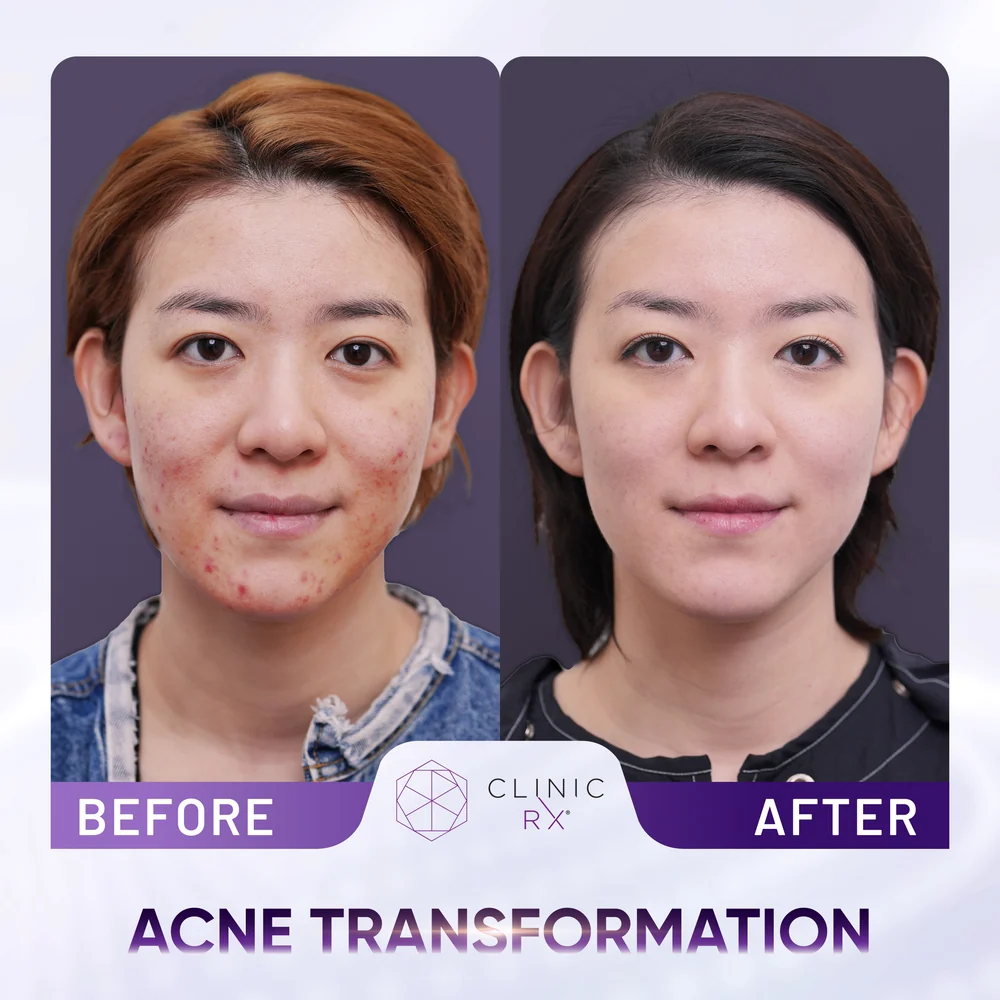
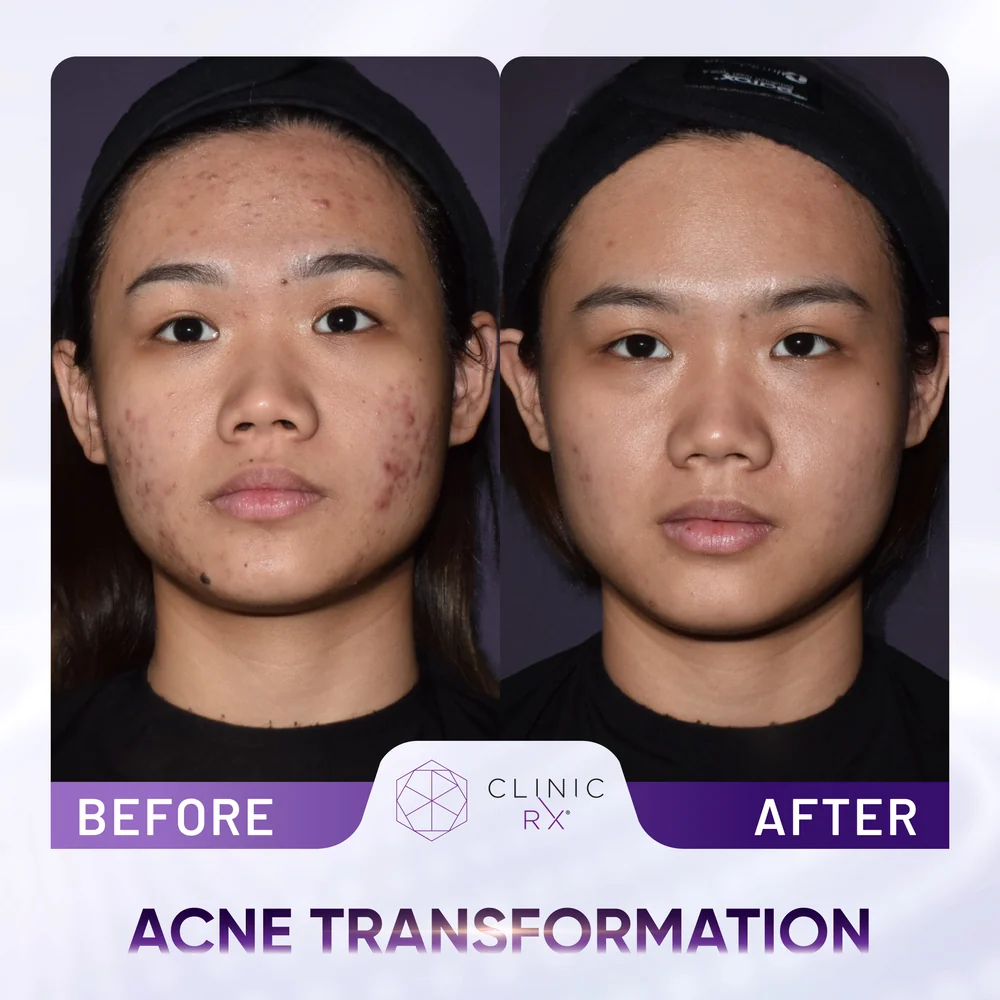
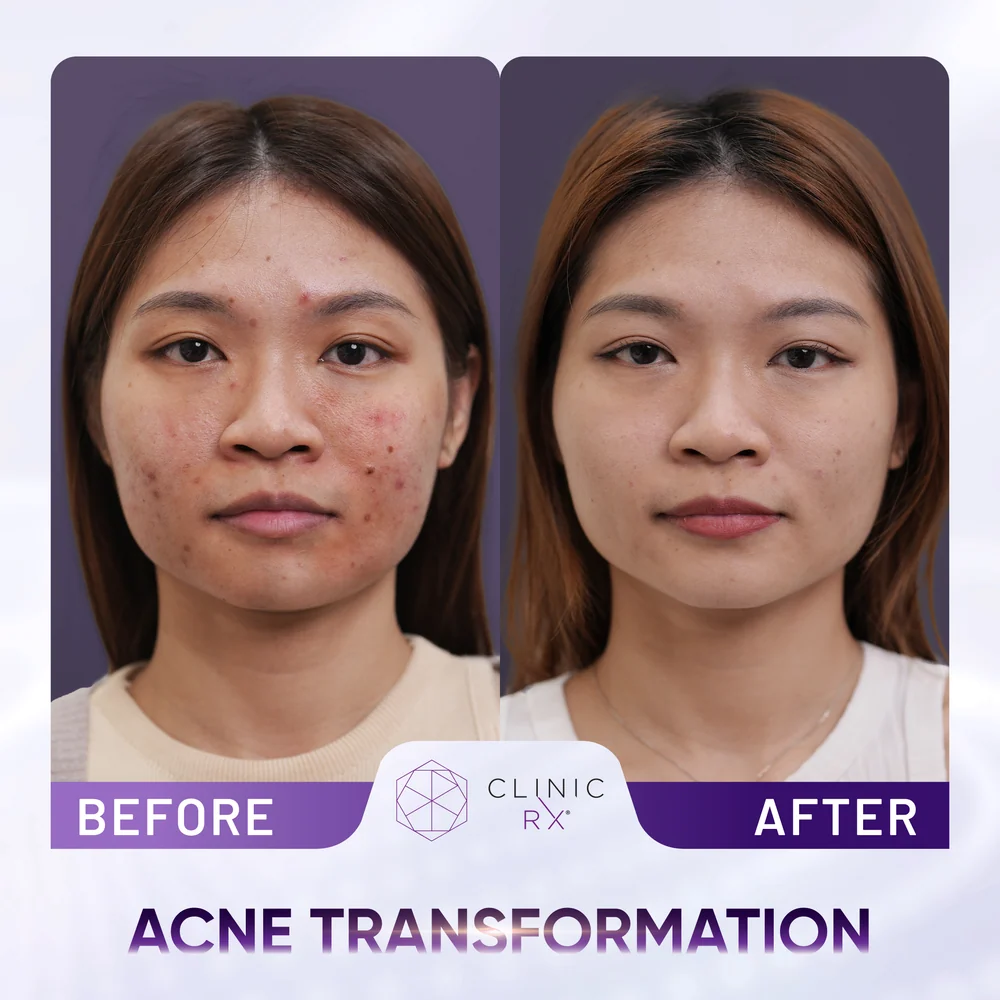
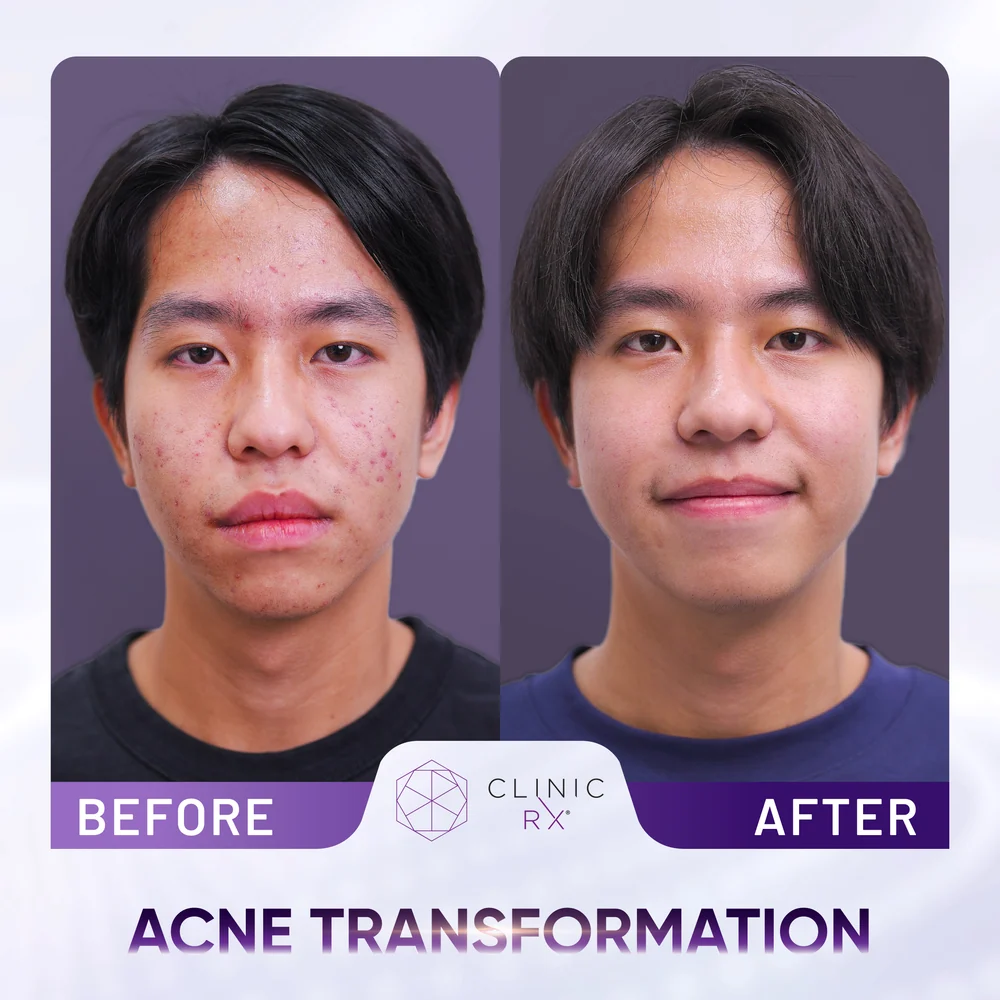
Depending on acne type and the treatment selected, suitable patients may experience:
Acne improvement is usually gradual. Results depend on acne type, severity, treatment consistency, skin tolerance and appropriate homecare.
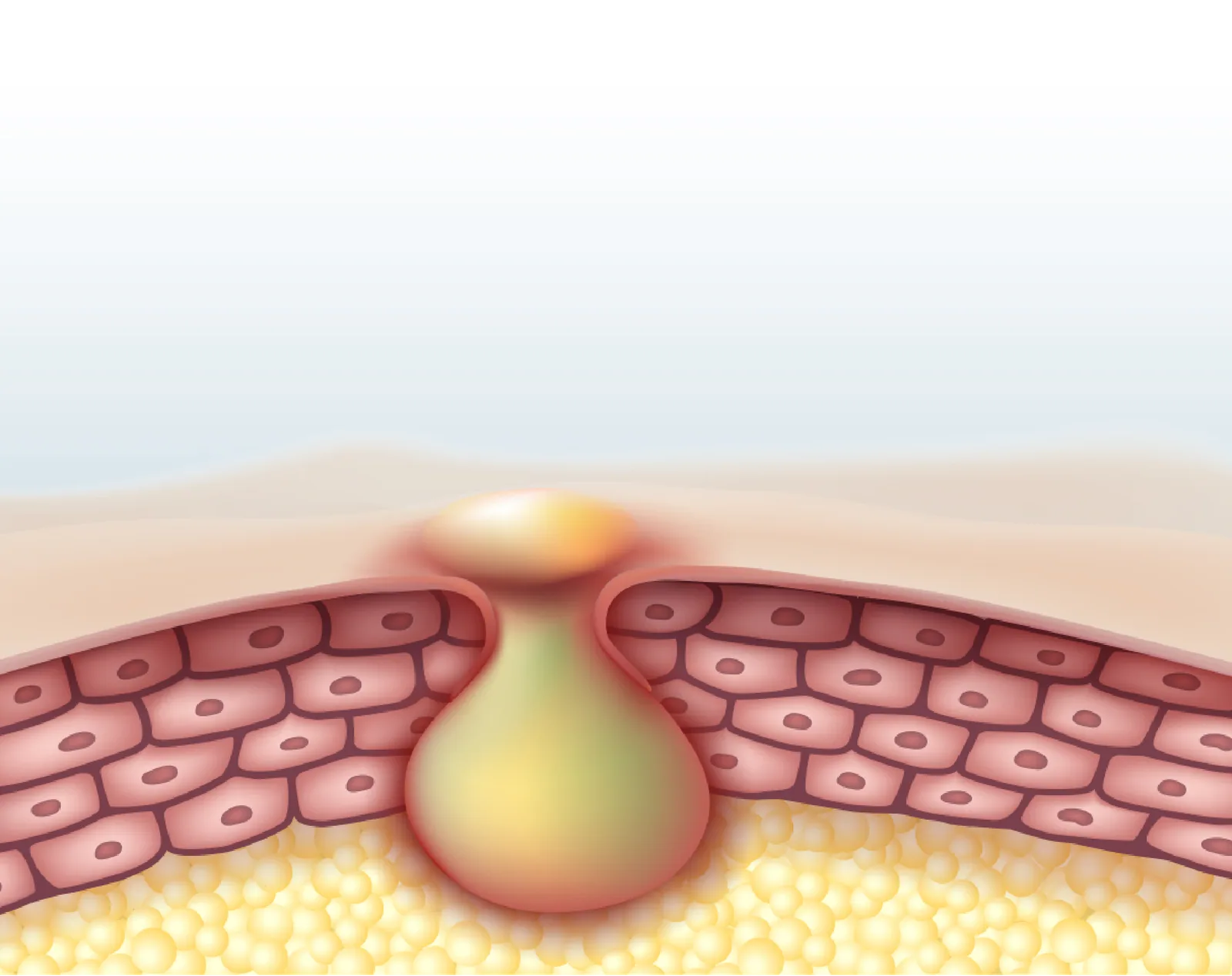
Acne develops when pores become clogged with oil and dead skin cells and inflammation develops. Hormonal changes, genetics and other individual triggers may also contribute.
Hormonal acne refers to breakouts influenced by hormonal changes or cycles. The pattern can vary, so persistent or significant breakouts should be assessed individually.
Comedonal acne mainly consists of clogged pores that appear as blackheads or whiteheads.
Cystic acne consists of deeper, painful breakouts beneath the skin. Because deeper acne has a higher risk of persistent marks or scarring, doctor assessment is important.
Adult acne can persist or begin later in life. Hormonal influences, oil production, congestion, inflammation, genetics and individual triggers may all contribute.
There is no single best treatment for every acne type. Final recommendations are based on doctor assessment, skin response and breakout severity.
Silk Infusion is suitable to improve acne skin condition because it combines deep cleansing and infusion to improve congestion, hydration and skin texture. Suitability depends on the breakout pattern and skin condition.
Pico Laser can help improve post-acne pigmentation, uneven skin tone and the overall appearance of acne-prone skin. However, it is generally more suited to treating marks and pigmentation left behind by breakouts rather than active inflammatory or cystic acne.
Yellow Laser can help reduce acne-related redness and inflammation while improving uneven skin tone. It may be especially useful for persistent redness and post-acne red marks.
Yes. Botanical Peel can help unclog pores, remove excess dead skin cells and improve congestion, which may benefit certain types of acne. It can also help improve skin texture and post-breakout marks. The type and strength of peel should be selected according to the severity of acne and skin sensitivity.
Acne refers to active breakouts such as clogged pores, pimples and cysts. Acne scars are persistent textural or colour changes left after acne heals and may require different treatment.
The timeline depends on acne type, severity and treatment selected. Some treatments can improve surface congestion or skin feel relatively quickly, while recurring breakouts, redness and post-acne marks generally require consistent treatment over time.
If you are unsure whether your breakouts are hormonal, comedonal, inflammatory, cystic or adult-onset acne, a Clinic RX doctor can assess your skin and discuss which treatment options may be suitable for your breakout pattern and goals.
Treatment suitability, expected results, risks, number of sessions and maintenance vary between individuals. Severe or scarring acne may require additional medical management and will be assessed accordingly.