Clinic RX Bukit Jalil
Kuala Lumpur, Malaysia
Mon–Fri, 10am–7pm | Sat, 9am–6pm
HAIR CONDITION
Learn why unwanted facial and body hair keeps growing back, what can cause excess hair growth, and how laser hair removal can provide longer-term hair reduction.
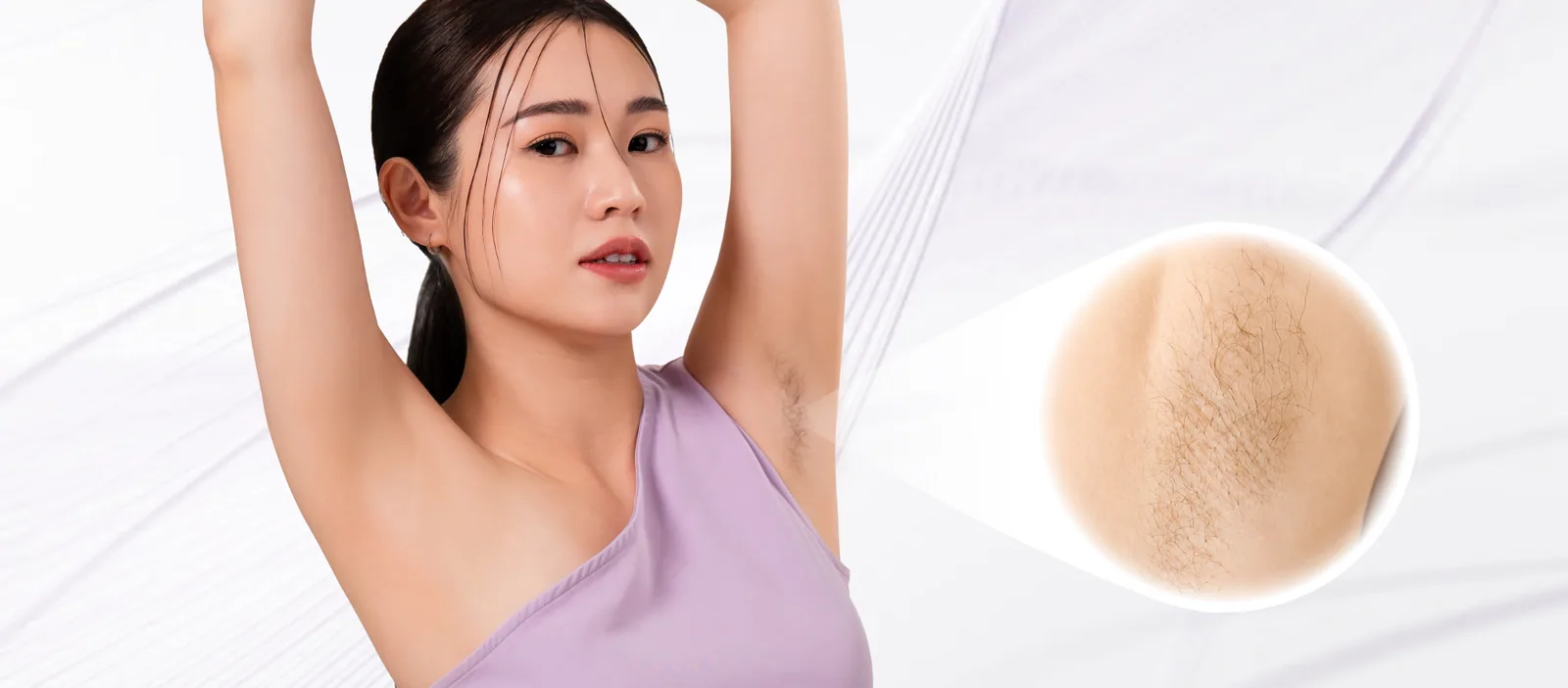
Unwanted hair refers to facial or body hair that grows in areas where a person would prefer less hair. It occurs when hair follicles remain active and continue producing hair.
Shaving, waxing and plucking remove visible hair temporarily, but they do not stop the follicle from producing new hair. This is why regrowth continues.
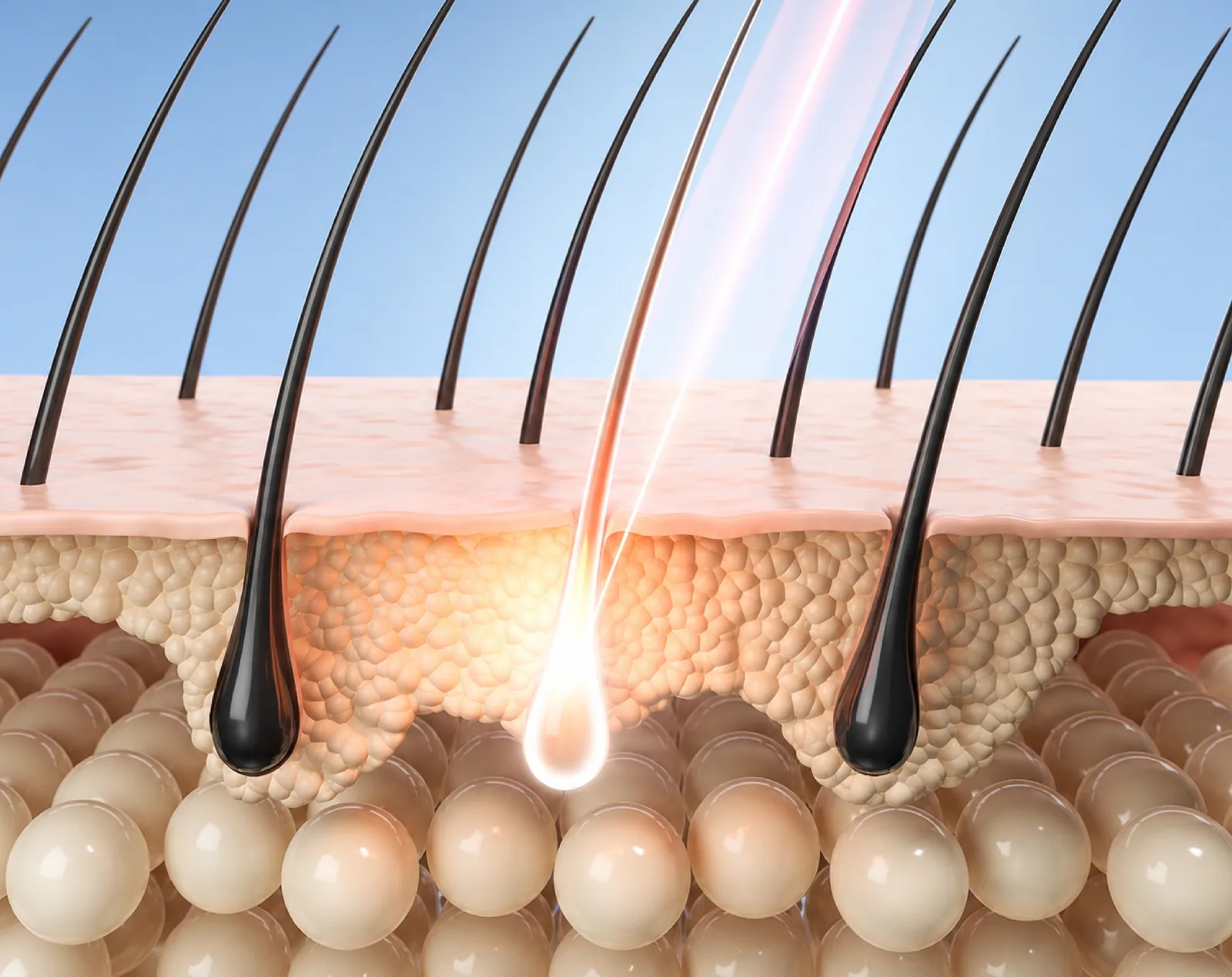
When someone wants longer-term hair reduction, we need to target the hair follicle rather than repeatedly removing hair at the surface. Treatment works progressively because individual hairs are at different stages of the growth cycle.
Hair growth patterns vary between individuals and may be influenced by:
If facial or body hair becomes suddenly much thicker, darker or more extensive, medical assessment may be appropriate to check for an underlying cause.
Follicle-targeted treatment is therefore used when the goal is longer-term reduction rather than temporary hair removal.

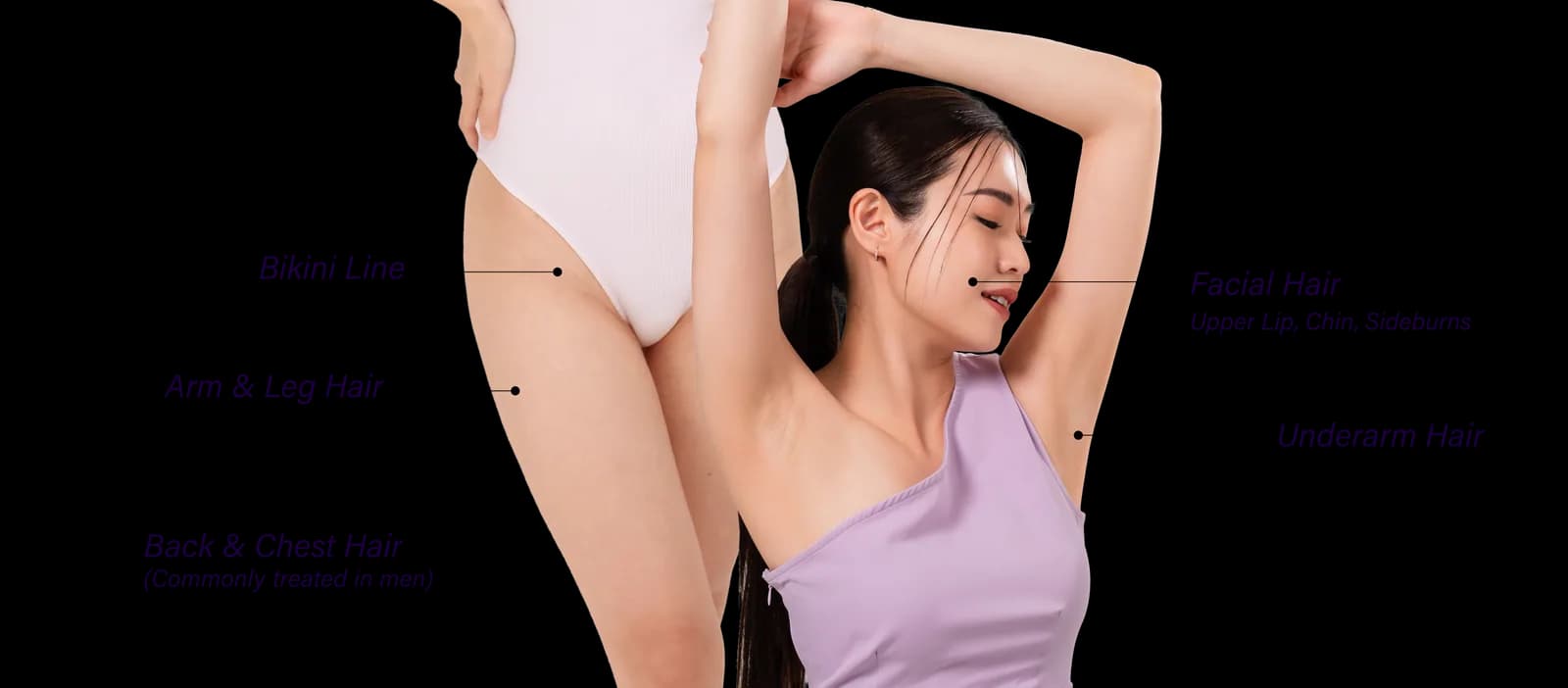
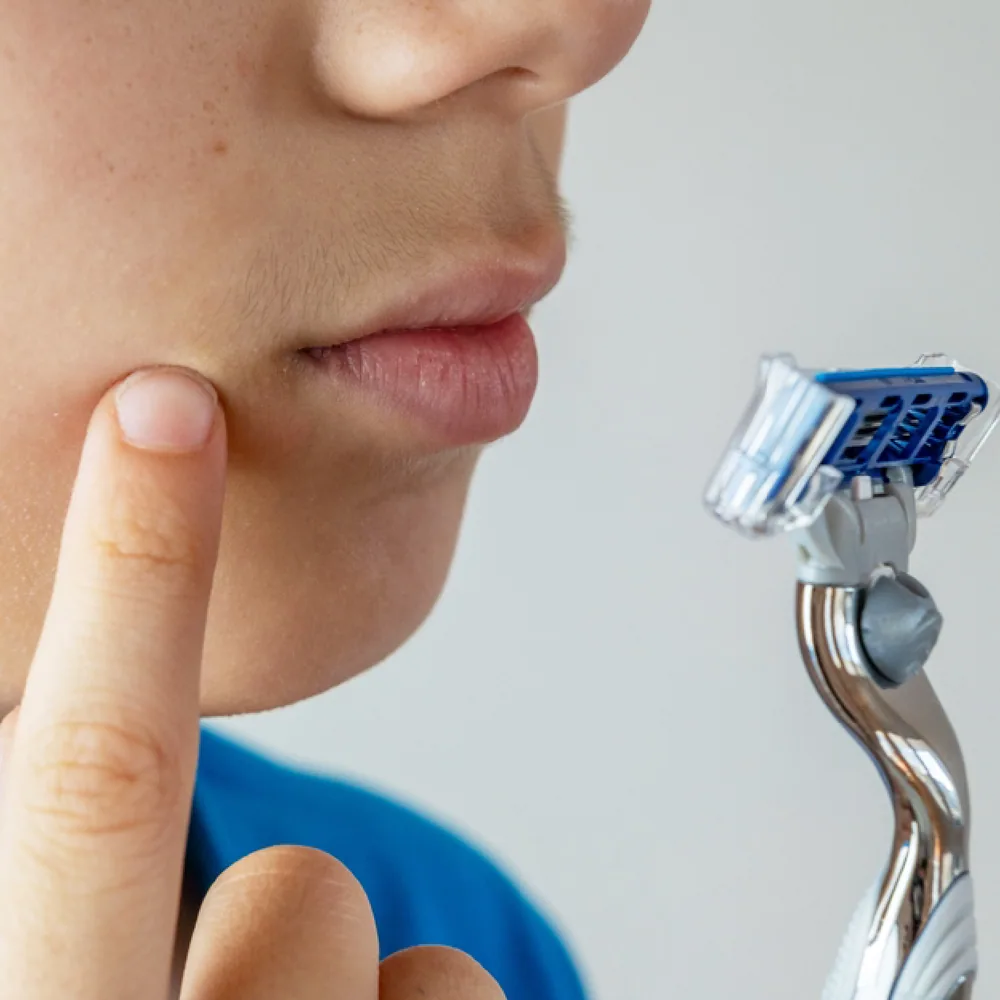
Hair on the upper lip, chin, jawline or sideburns.
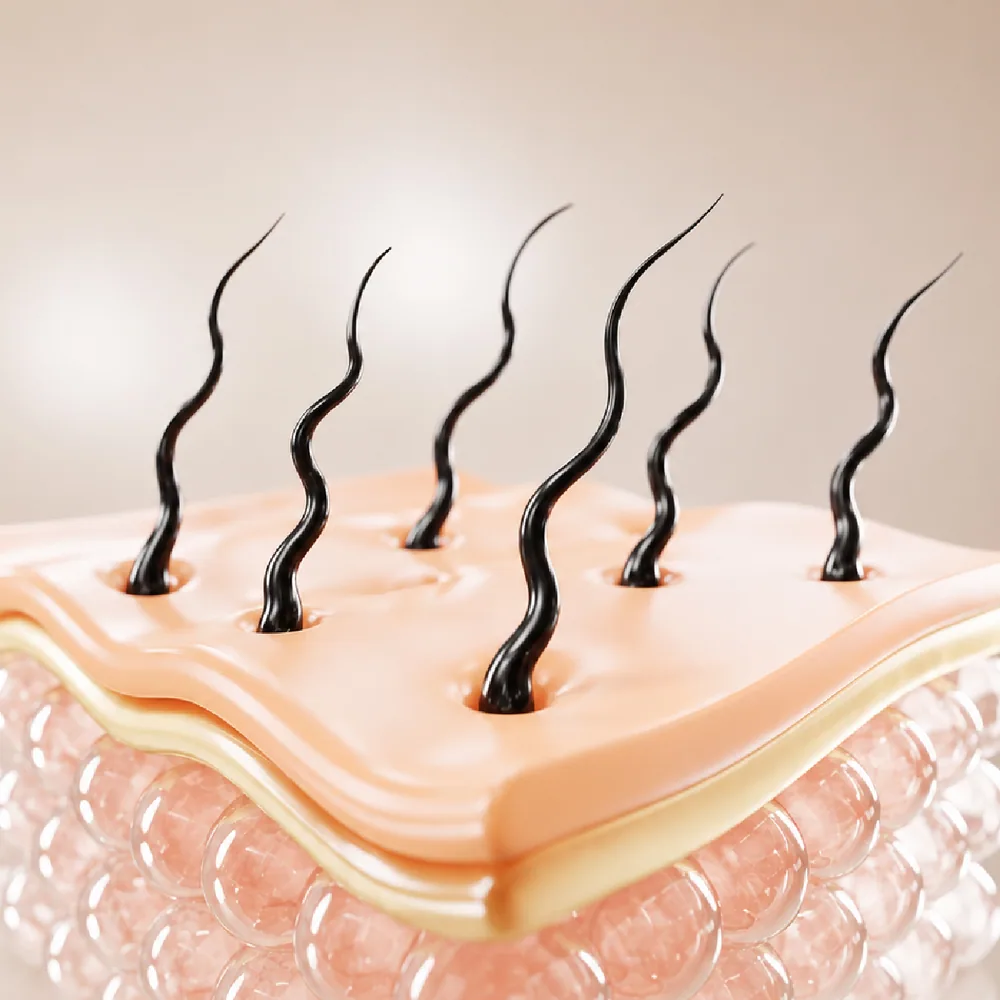
Hair growth in the underarm area.

Hair growth on the arms and legs.
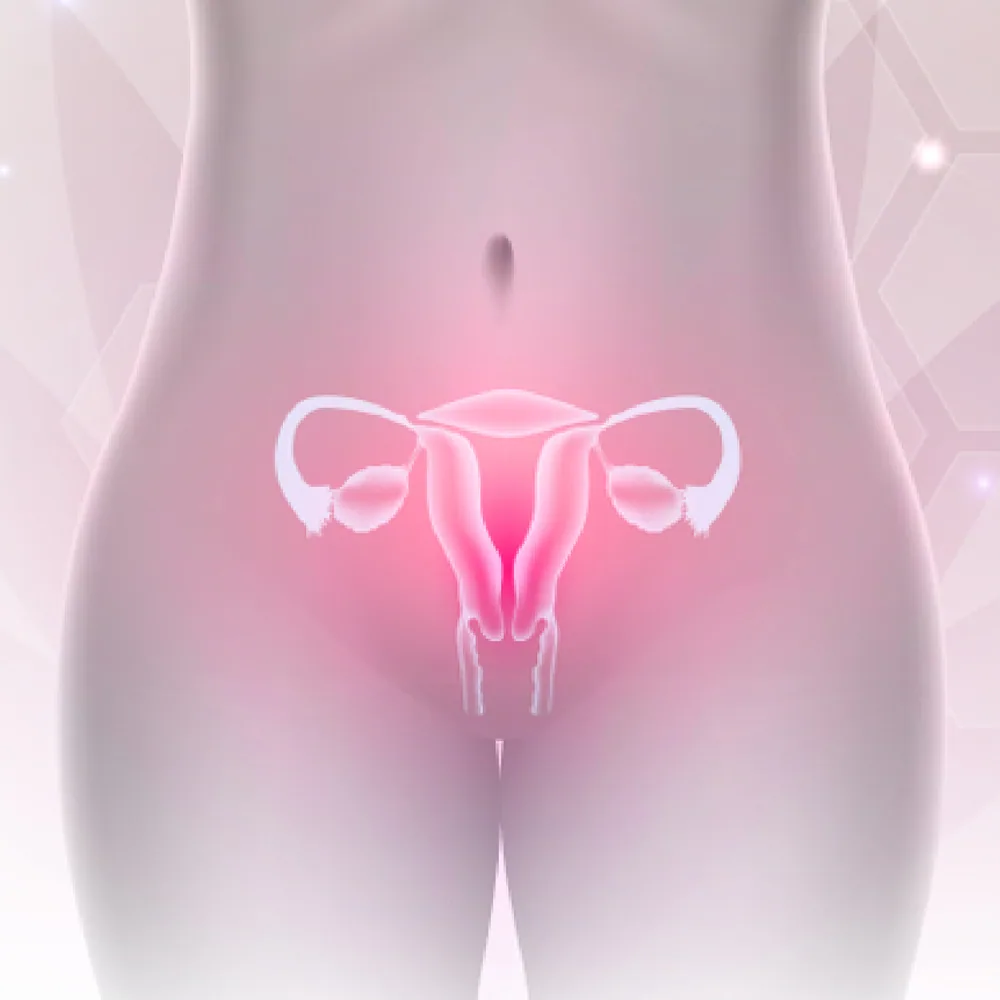
Hair growth around the bikini area.
Hair growth on the back and chest, commonly treated in men.
A consultation and physical assessment is required to confirm suitability — this page is general education, not a diagnosis.
Laser Hair Removal is the primary treatment option for longer-term reduction of unwanted facial and body hair. Treatment is planned according to the treatment area, hair characteristics, skin type and individual response.
Book Consultation 01
01Long-Term Hair Reduction
Laser Hair Removal targets hair follicles directly to progressively reduce hair growth. Because laser treatment is most effective on hairs at particular stages of the growth cycle, multiple sessions are required rather than relying on a single treatment.
A Clinic RX doctor can assess the treatment area, hair-growth pattern and relevant medical history before recommending a treatment plan.
Laser hair removal should be performed using treatment settings appropriate for the individual's skin and hair characteristics.
This is general information, not medical advice. Treatment-specific risks, preparation and aftercare will be discussed during consultation before consent is obtained.
With appropriate treatment and consistency, suitable patients may experience:
Laser hair removal works with the natural hair-growth cycle, so results develop progressively and multiple sessions are usually needed.
Hair growth varies naturally between individuals and can be influenced by genetics, hormones, ethnicity, puberty and certain medications. In some people, excess hair growth may also be associated with hormonal conditions such as PCOS.
Shaving only cuts the hair at the skin surface. The follicle underneath remains active, so it continues producing new hair.
Shaving does not increase the number of hair follicles or make the follicle produce genuinely thicker hair. Newly shaved hair can feel coarser because the hair shaft has been cut bluntly.
Facial hair can be influenced by genetics and hormones. If facial hair becomes suddenly thicker, darker or more extensive, an assessment may help determine whether hormonal factors are contributing.
Yes. Hormonal changes associated with PCOS can contribute to excess facial or body hair in some people. Laser can reduce unwanted hair, but an underlying hormonal condition may also require appropriate medical management.
For people seeking longer-term reduction, Laser Hair Removal targets the hair follicle rather than simply removing visible hair at the surface. Suitability depends on the hair, skin type, treatment area and individual assessment.
Laser Hair Removal delivers energy to suitable hair follicles to reduce their ability to produce hair. Treatment is repeated because individual hairs are at different stages of the growth cycle.
Laser treatment is better described as long-term hair reduction rather than guaranteed permanent removal of every hair. Regrowth can become finer and sparser, and maintenance sessions may be needed.
Multiple sessions are usually required because laser treatment works with the hair-growth cycle. The number of sessions varies according to the treatment area, hair characteristics, skin type, hormonal factors and individual response.
Hair reduction develops progressively over a treatment course. As sessions continue, suitable patients may notice slower regrowth and progressively finer or sparser hair.
Laser hair removal may be used on areas such as the upper lip, chin, jawline and sideburns when appropriate for the individual's hair and skin characteristics.
Yes, underarms and the bikini area are commonly treated areas. Suitability and treatment settings should be assessed according to skin and hair characteristics.
Reducing hair growth can also reduce the frequency of ingrown hairs and irritation associated with shaving or waxing in suitable patients.
Laser treatment needs to target the follicle, so waxing or plucking before treatment can interfere with the target hair. Preparation instructions, including when to shave, should be followed according to the clinic's treatment protocol.
Yes. Laser hair removal can be used for unwanted hair in men, including areas such as the back and chest, depending on suitability.
If unwanted facial or body hair is affecting you, a Clinic RX doctor can assess the hair-growth pattern, treatment area, skin characteristics and relevant medical history before discussing laser hair removal.
Treatment suitability, expected reduction, risks, number of sessions and maintenance vary between individuals. Sudden or unexplained excess hair growth may require further assessment for an underlying cause.