Clinic RX Bukit Jalil
Kuala Lumpur, Malaysia
Mon–Fri, 10am–7pm | Sat, 9am–6pm
FACE CONDITION
Learn what causes facial disharmony, how bone, fat, muscle, volume and skin laxity affect facial balance, and which facial balancing options doctors may consider.

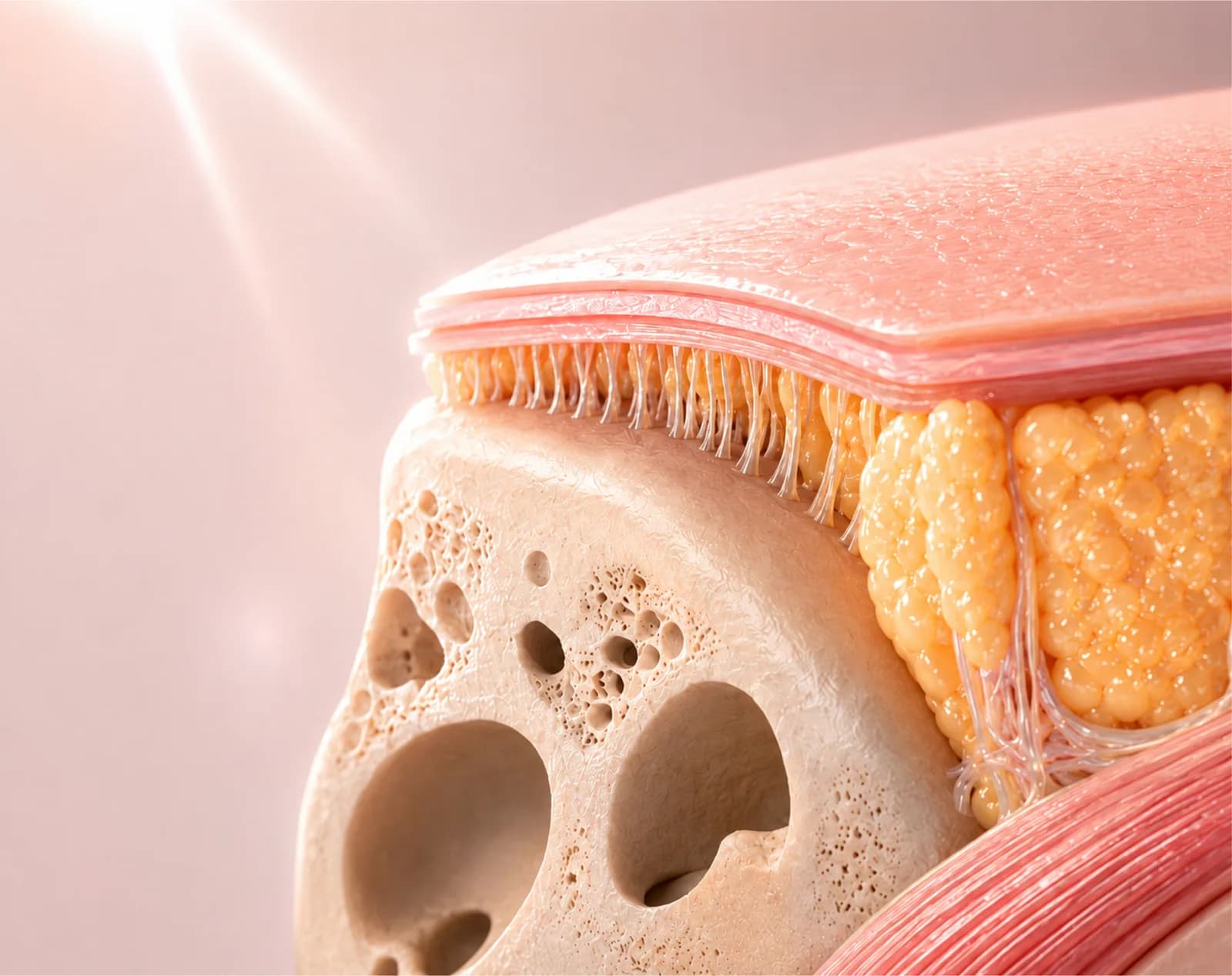
Facial disharmony develops when structural elements of the face — bone, fat pads, muscle and skin — are unevenly distributed or have shifted over time due to ageing, genetics or habit.
Without correction, disharmony may become more noticeable with age as volume loss and skin laxity exaggerate existing asymmetries.
Early assessment helps identify the root cause before committing to correction.
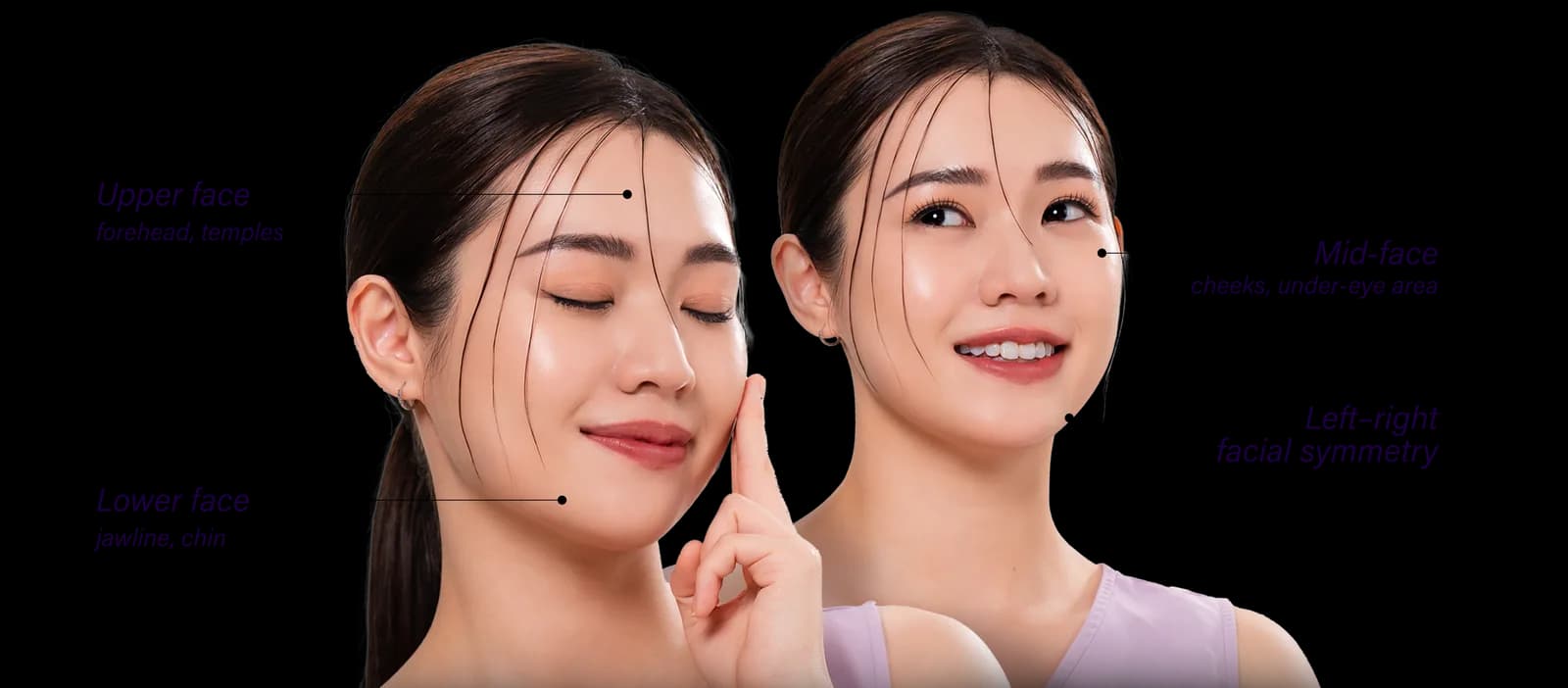
Facial harmony is not about making every feature identical or perfectly symmetrical. We assess how the upper, mid and lower face relate to one another, then identify which area is contributing most to the imbalance before recommending treatment.
Facial disharmony can be caused by a combination of factors, including:
Because facial disharmony has multiple possible causes, treatment should first identify which structures are contributing to the imbalance.
Facial disharmony tends to persist or become more noticeable because:
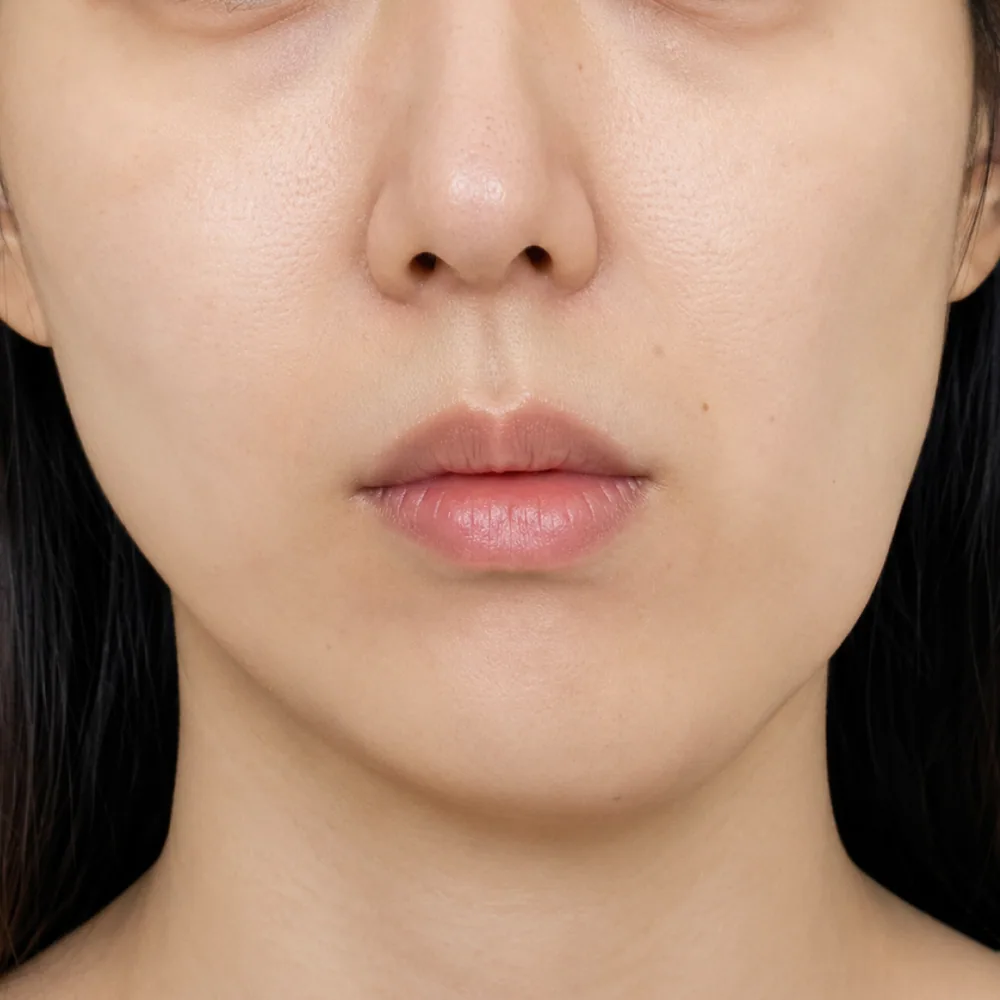
Uneven bone or jaw proportions
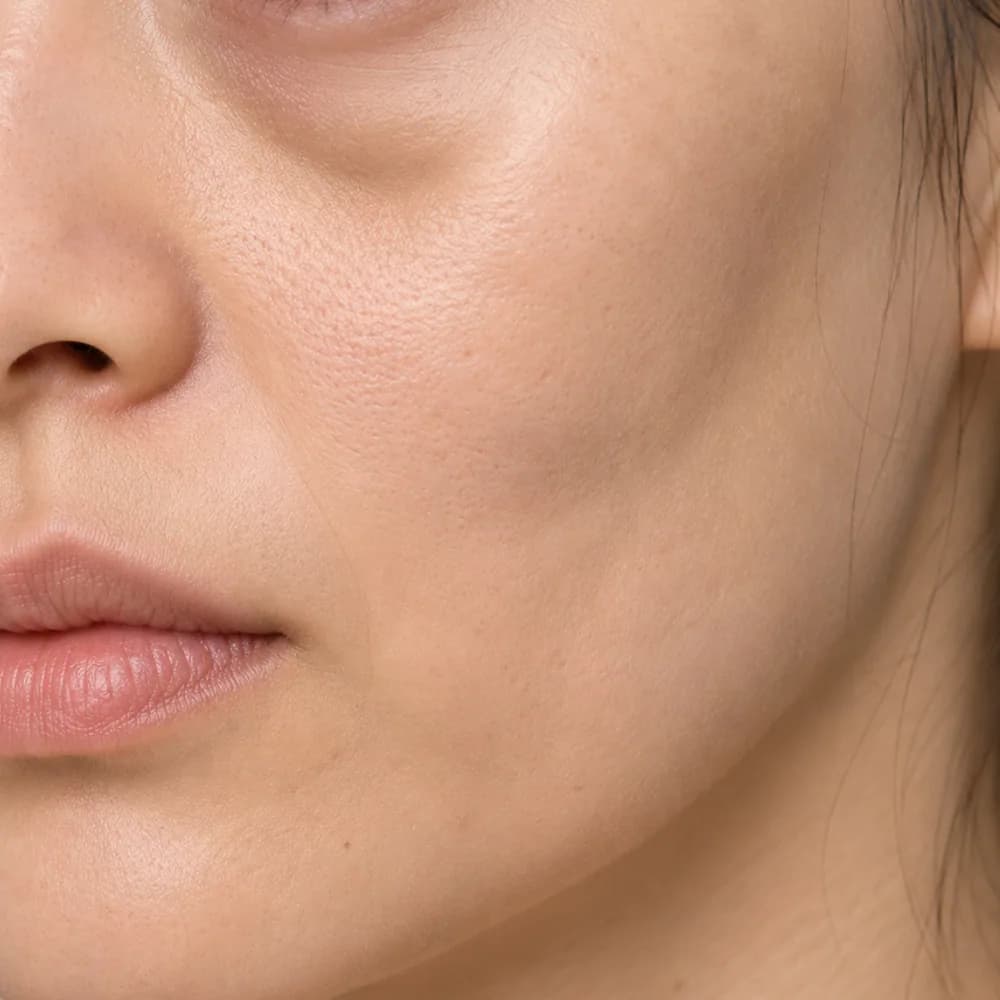
Hollowing or excess volume in specific areas
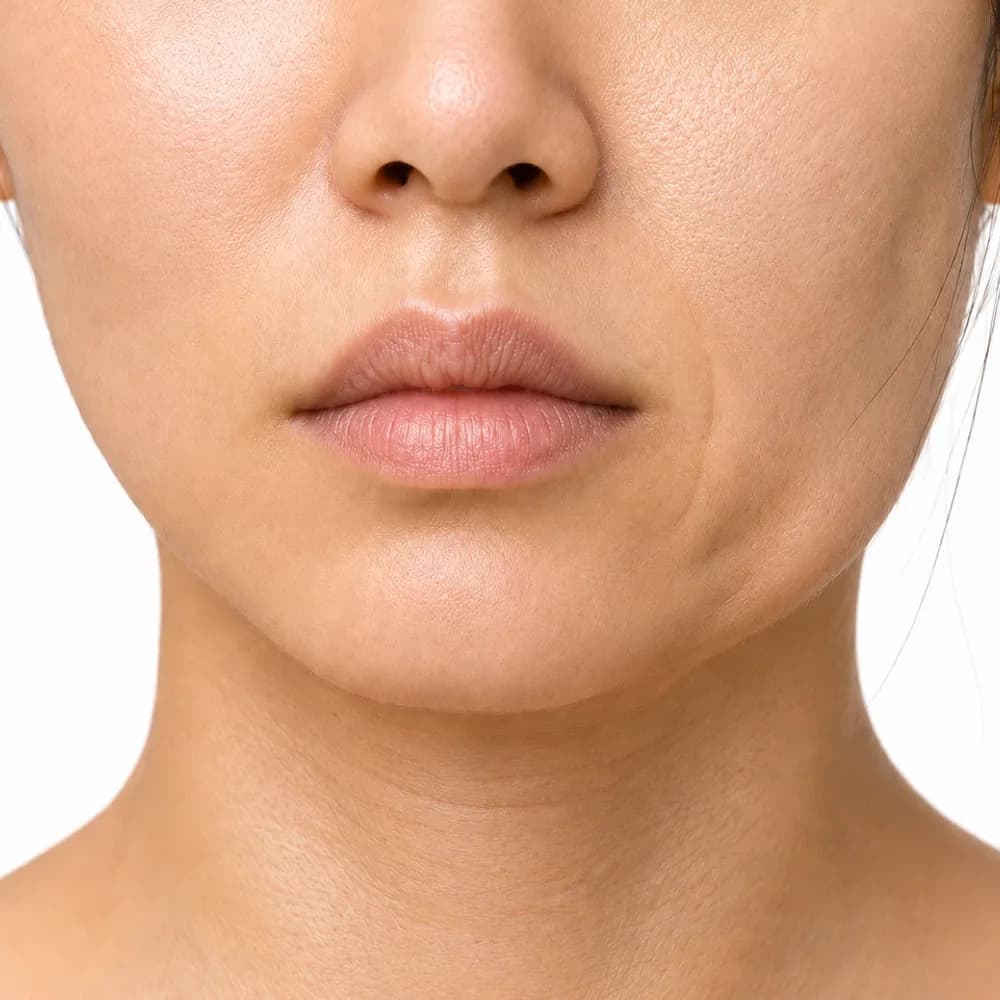
Left–right differences in shape or projection
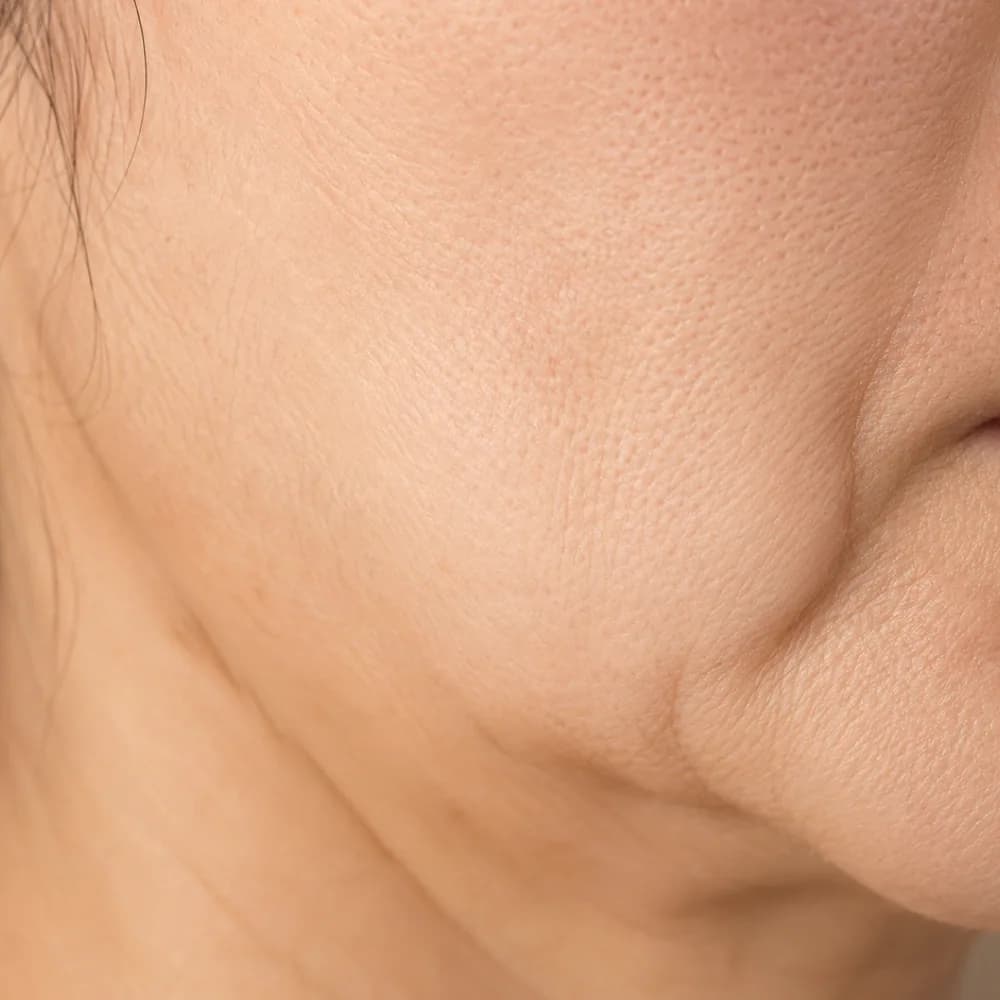
Sagging and volume shift over time
A consultation and physical assessment is required to confirm suitability — this page is general education, not a diagnosis.
Suggested options are selected after doctor assessment and may be combined according to suitability, response and goals.
Book Consultation 01
01Volume & Contour Correction
Restores volume and corrects asymmetry in targeted areas.
 02
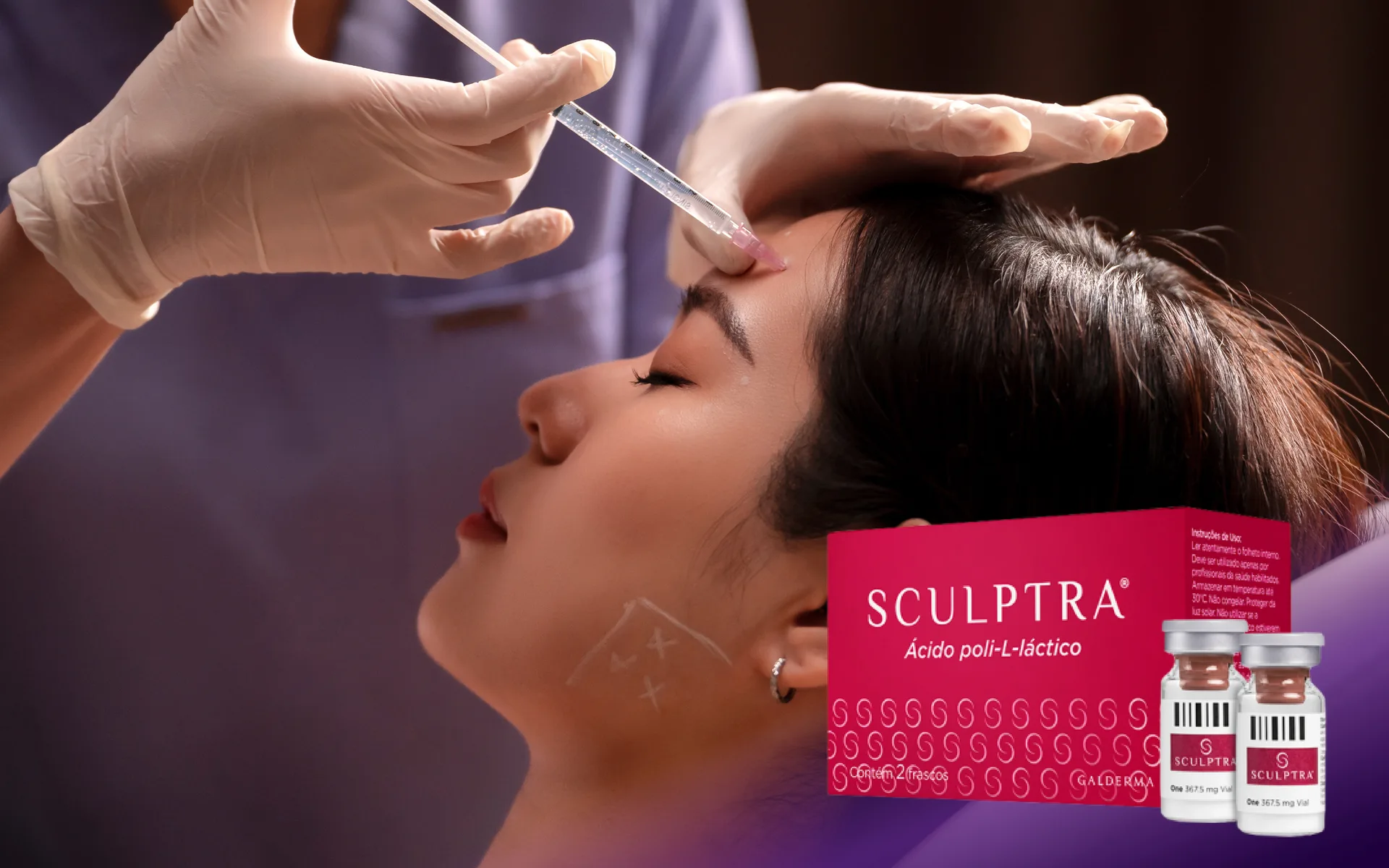
02Volume & Contour Correction
Stimulates collagen for gradual, natural volume restoration.
 03
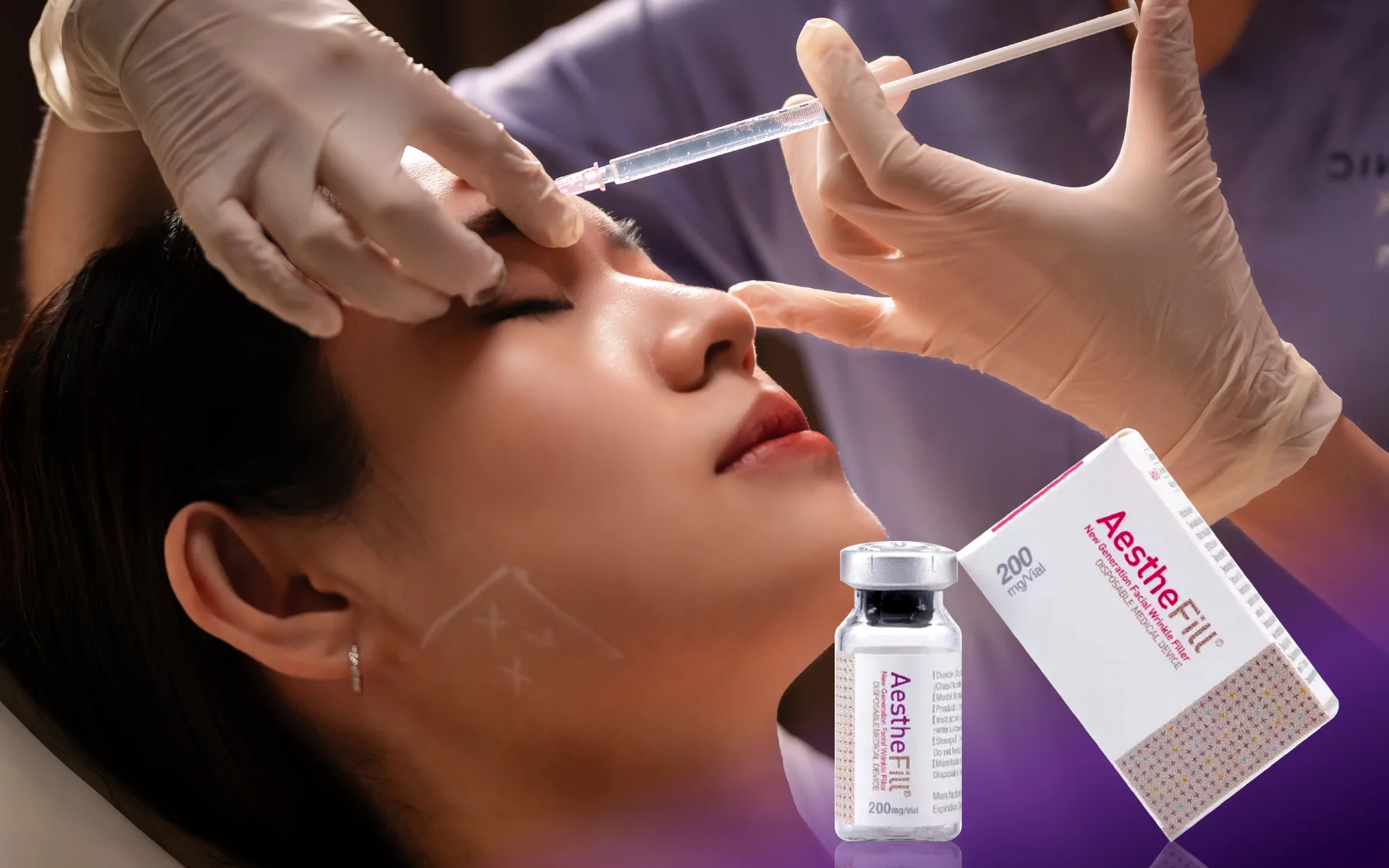
03Volume & Contour Correction
Collagen-stimulating treatment for structural support and gradual volume improvement.
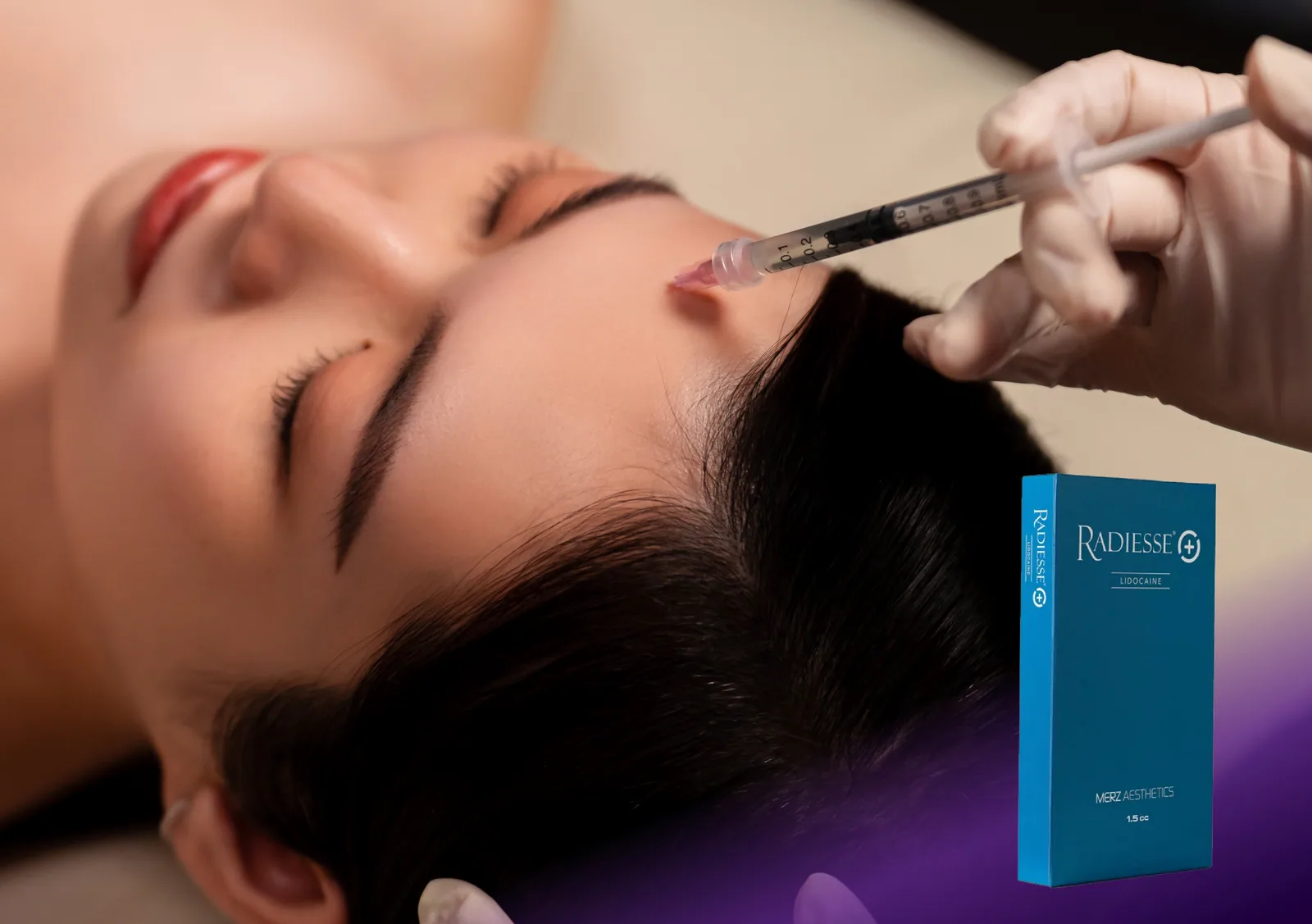 04
04Volume & Contour Correction
Adds volume and structural support with collagen-stimulating benefits.
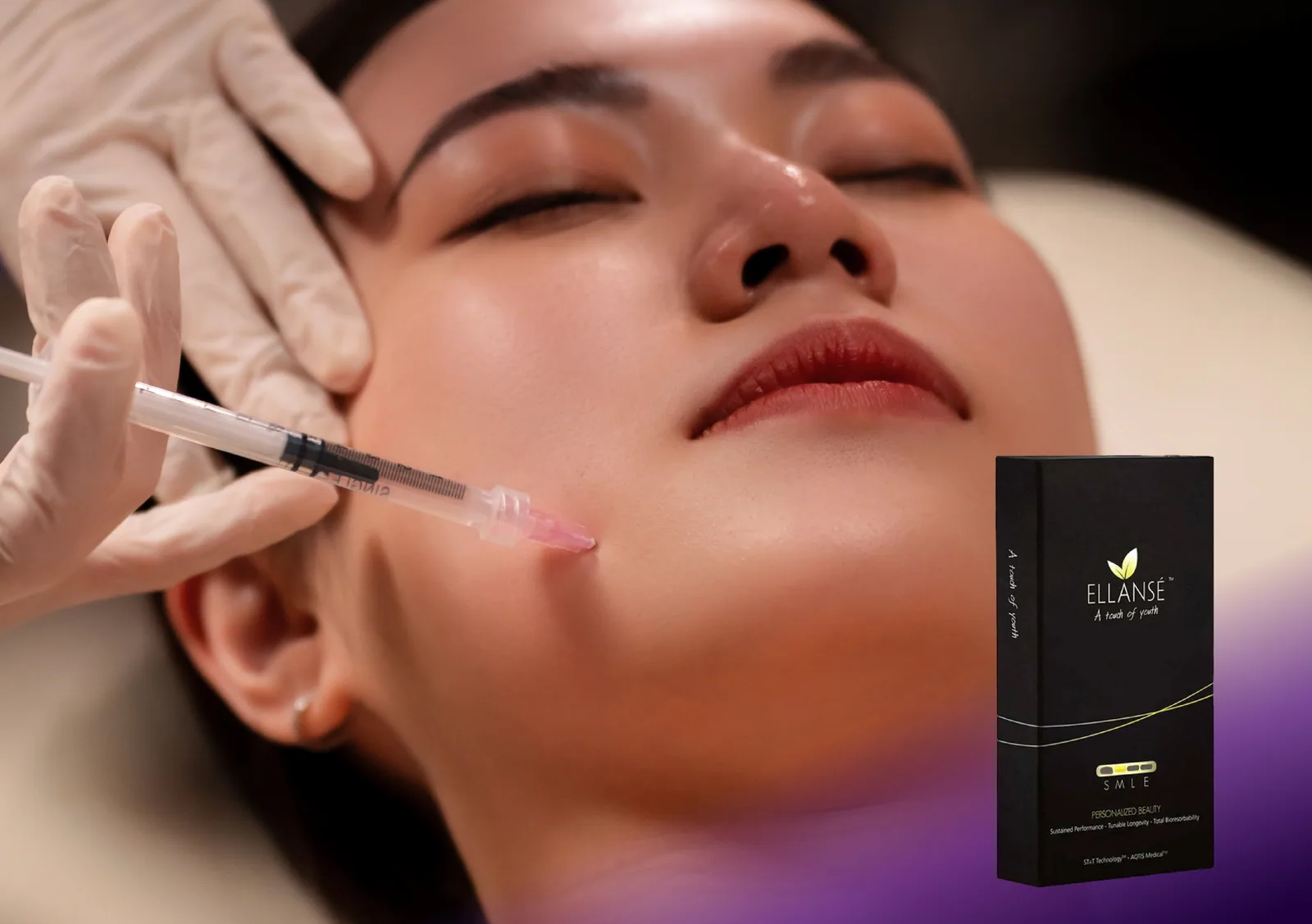 05
05Volume & Contour Correction
Provides volume correction with collagen-stimulating support.
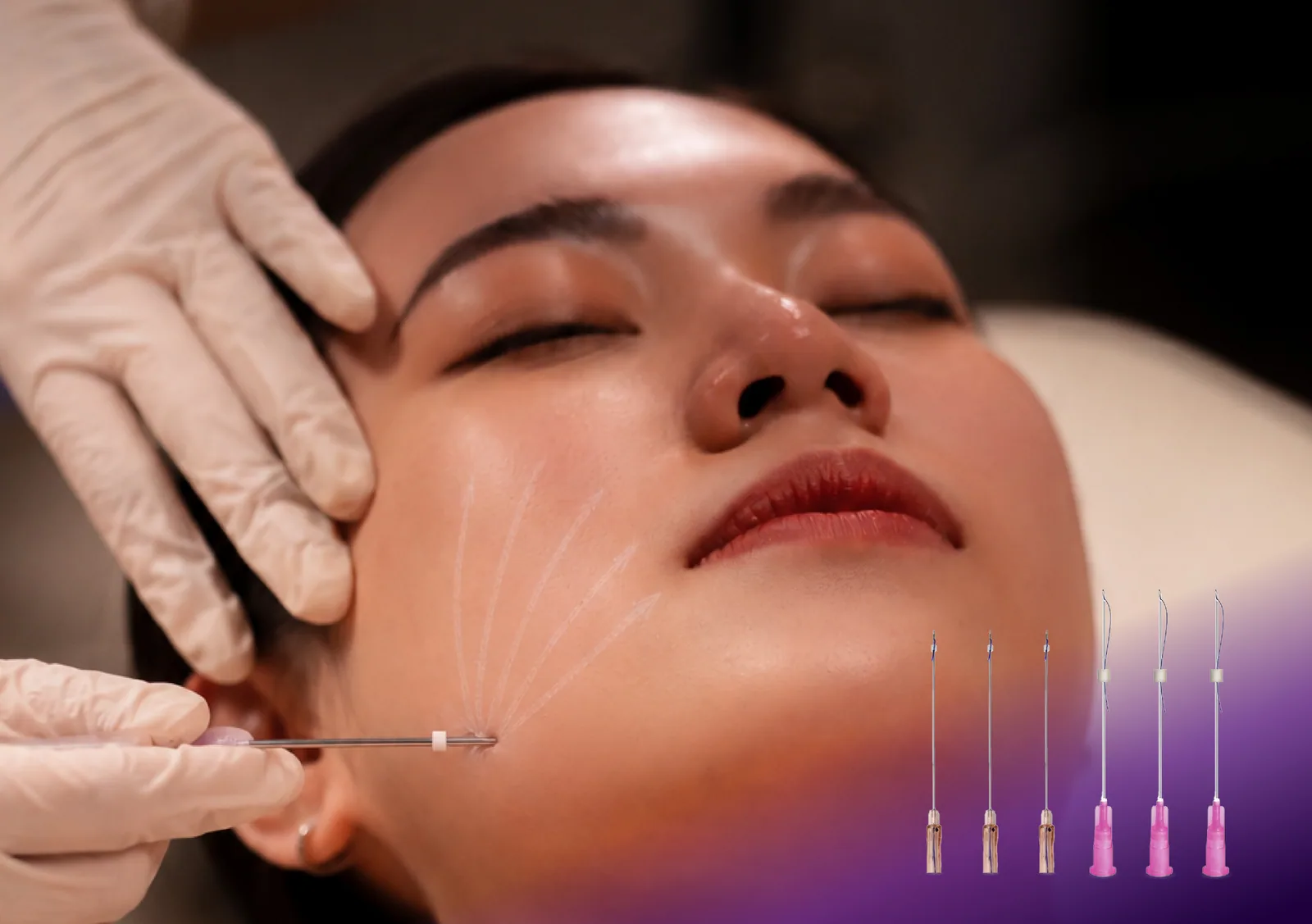 06
06Contour & Lift
Lifts and repositions sagging tissue to improve facial balance.
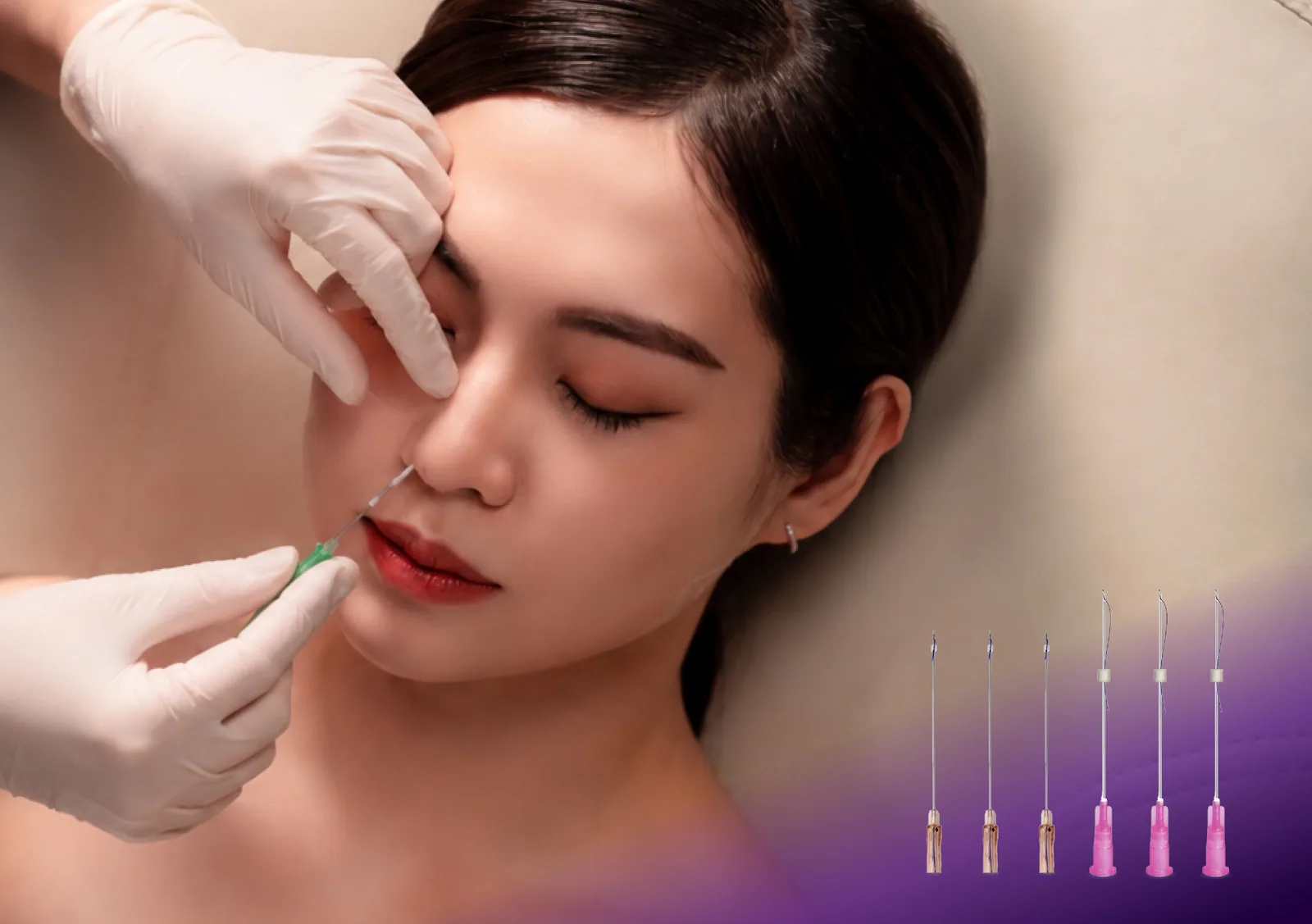 07
07Contour & Lift
Refines nose bridge and tip projection where nose shape contributes to overall facial balance.
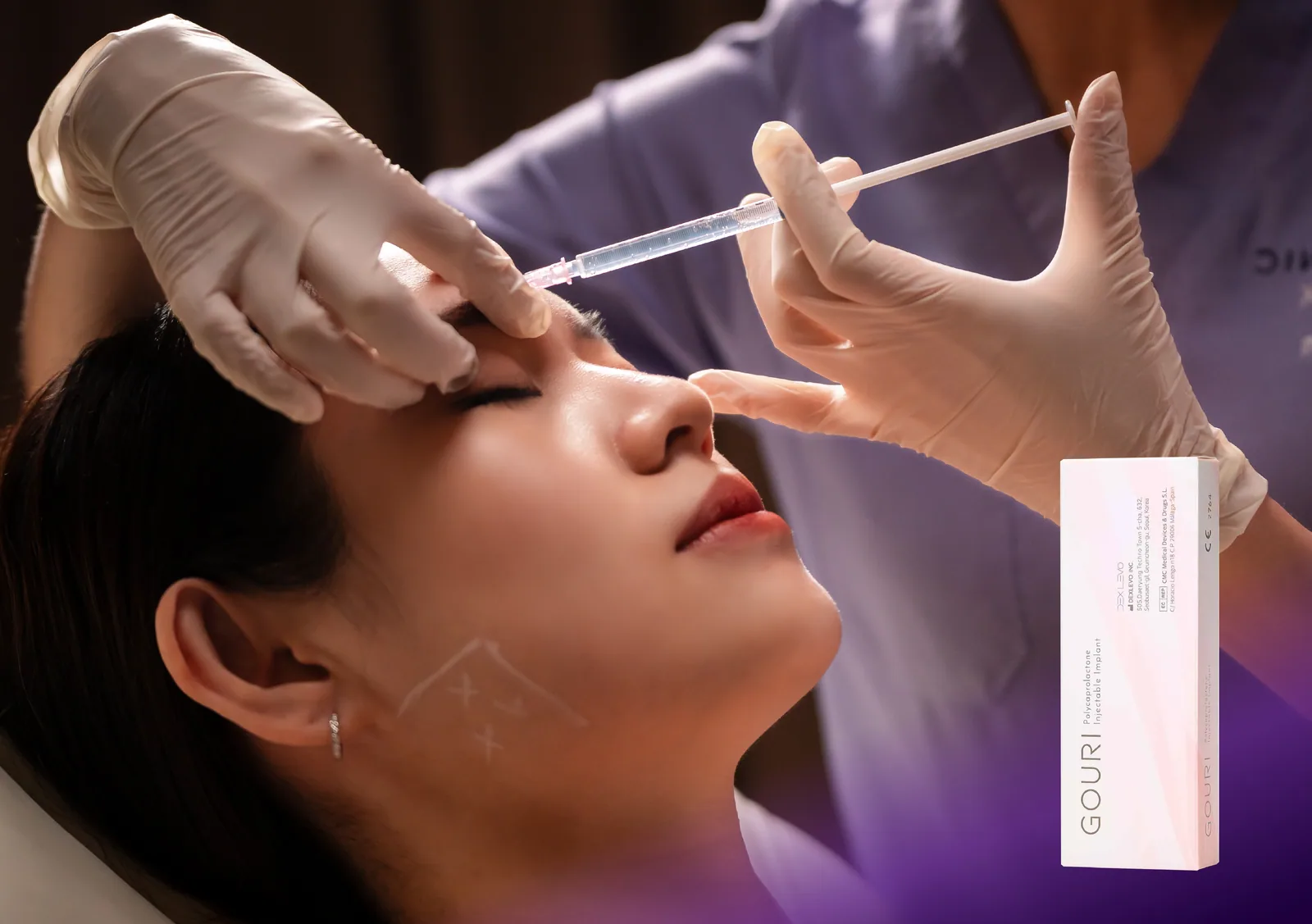 08
08Facial Contour Support
Supports facial contouring and skin structure in suitable patients.
 09
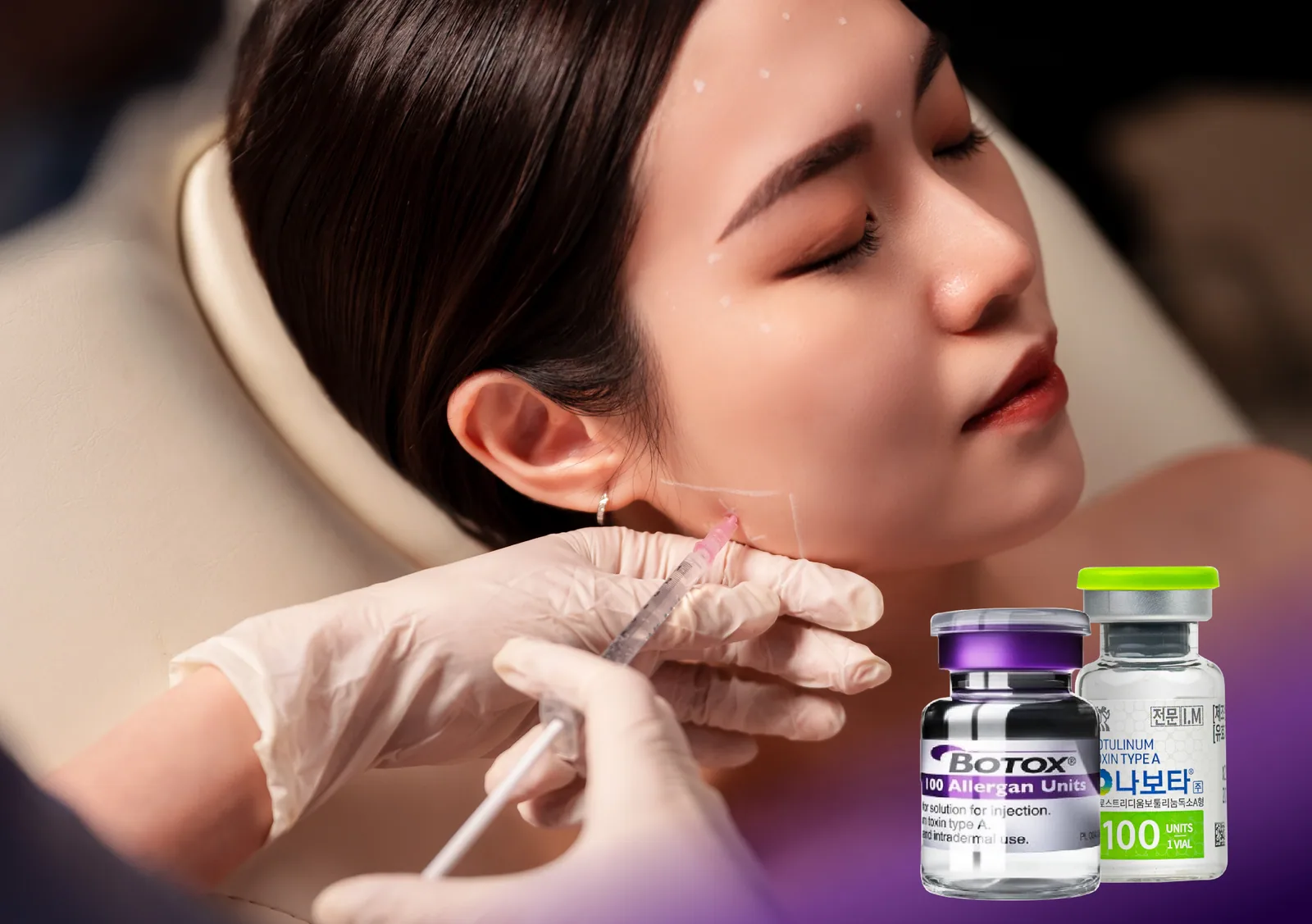
09Muscle-Related Imbalance
Relaxes overactive muscles that may contribute to facial asymmetry or imbalance.
A Clinic RX doctor can help you compare treatments based on your concern and goals.
All aesthetic treatments carry some risk, and individual response varies. Before treatment, your doctor will review your medical history and explain the risks specific to your recommended option. General considerations include:
This is general information, not medical advice. A full risk disclosure will be provided and discussed during your in-person consultation before consent is obtained.
View real before-and-after results of facial contouring performed by Clinic RX doctors. Results vary based on facial structure and treatment plan.
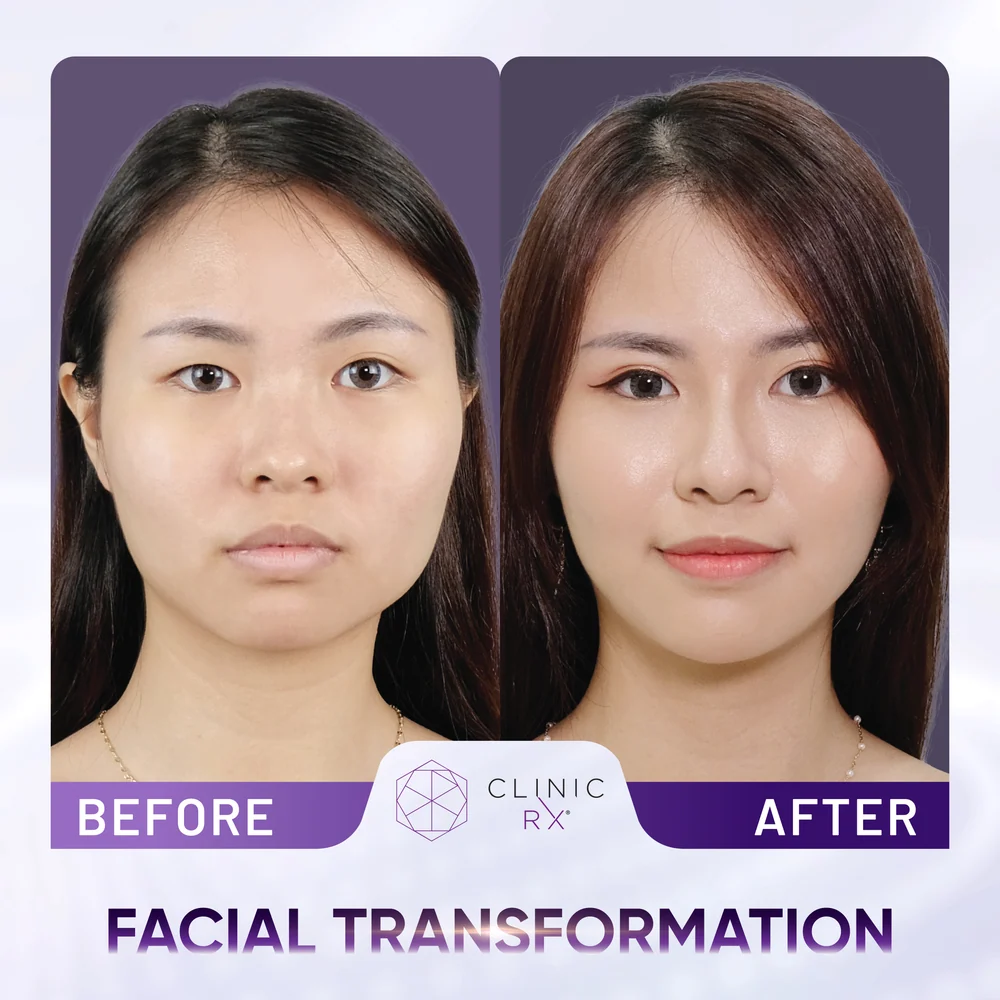
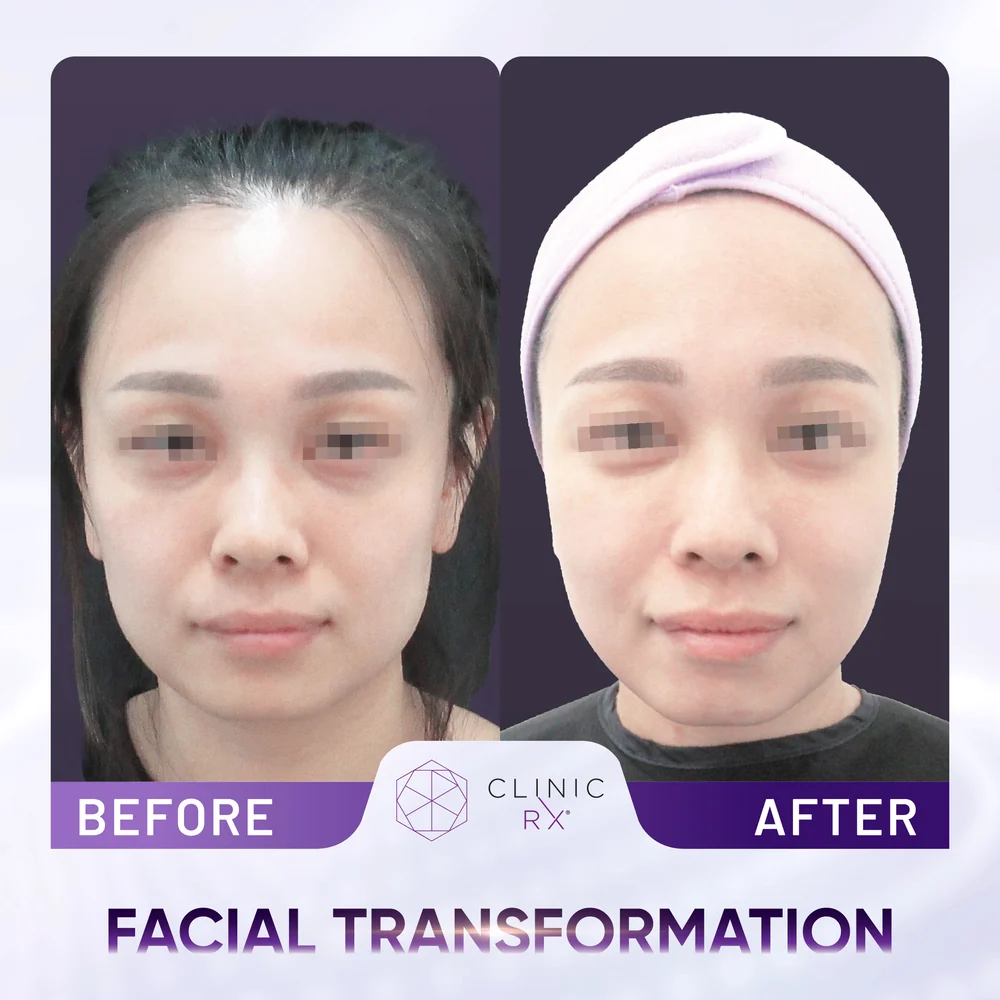
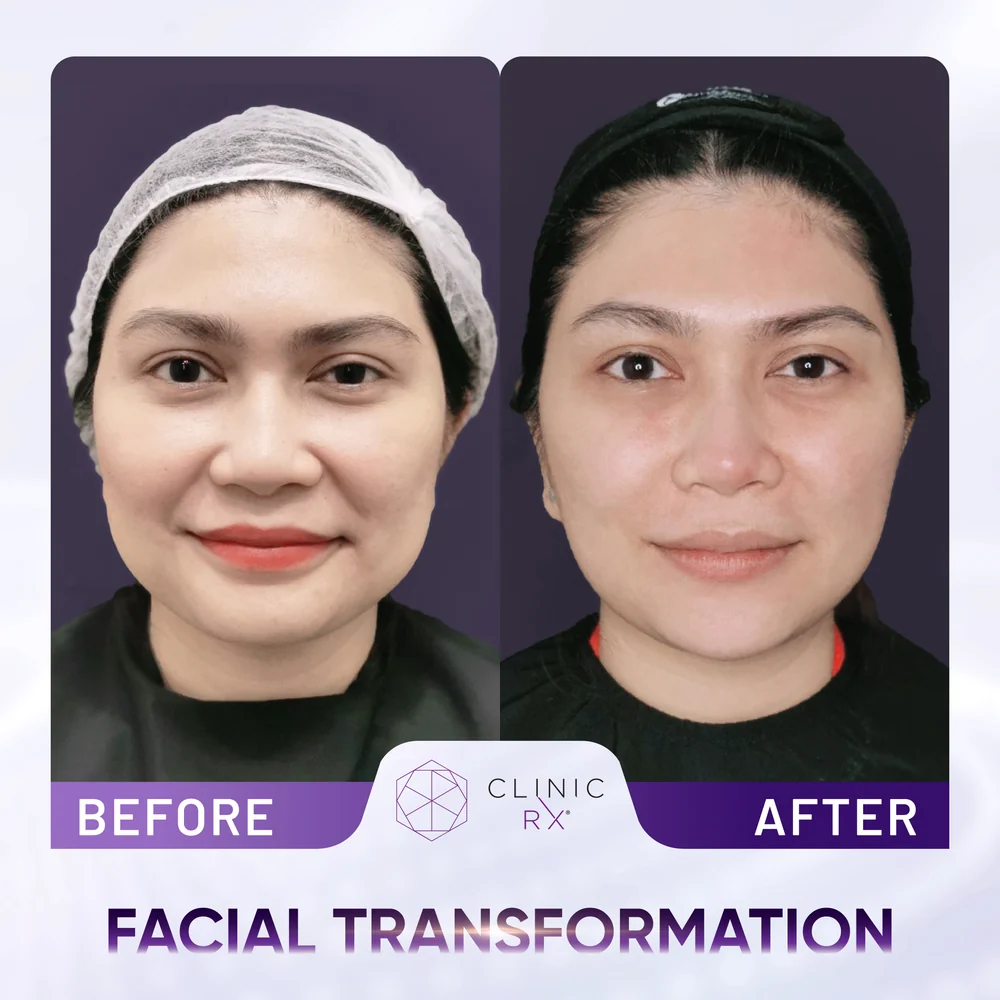
Depending on the underlying concern and treatment selected, patients may experience:
Facial balancing is usually gradual, and maintenance depends on the treatment selected and individual response.
Facial disharmony can be related to bone structure, uneven fat distribution, muscle imbalance, volume loss, skin laxity, ageing, previous trauma or a combination of these factors.
Yes. Mild facial asymmetry is common. A doctor can assess whether the difference is mainly related to bone, volume, muscle or soft tissue and whether treatment is appropriate.
A doctor can assess facial proportions, left–right symmetry, profile, volume distribution, muscle activity and skin support. Because several factors may contribute at the same time, an in-person assessment is more reliable than judging one feature alone.
It depends on the cause. Non-surgical treatments may be considered for concerns involving volume, contour, muscle activity or skin laxity, while underlying bone structure cannot be fully changed with non-surgical treatment.
Facial balancing considers how different facial features relate to one another rather than treating one area in isolation. The aim is to improve overall proportion while maintaining natural facial characteristics.
There is no single best treatment. Dermal Filler, collagen-stimulating treatments, thread lifts or Botulinum Toxin may be considered depending on whether the concern is related to volume, contour, laxity, muscle activity or a combination of factors.
Not necessarily. Dermal Filler may be considered for selected volume or projection concerns, but other patients may be better suited to collagen-stimulating, lifting or muscle-related treatments depending on assessment.
Yes, the goal of facial balancing is to improve proportion rather than make every feature identical. Results depend on facial anatomy, treatment selection and individual response.
There is no fixed number. Some patients may benefit from addressing one key area, while others have several contributing concerns. More treatment does not automatically mean a better result.
No. Most non-surgical facial balancing treatments are not permanent. How long results last varies according to the treatment, area and individual response.
Yes. Volume loss, changes in fat distribution and increasing skin laxity may make existing differences in facial proportion or symmetry more noticeable over time.
Pricing depends on the treatment selected, areas treated and your individual plan. Final pricing is confirmed during consultation.
If you are unsure whether your facial imbalance is mainly related to structure, volume, muscle activity or skin laxity, a Clinic RX doctor can assess your facial proportions and discuss which treatment options may be suitable for your concern and goals.
Treatment suitability, expected results, risks and maintenance vary between individuals and will be discussed during consultation.