Clinic RX Bukit Jalil
Kuala Lumpur, Malaysia
Mon–Fri, 10am–7pm | Sat, 9am–6pm
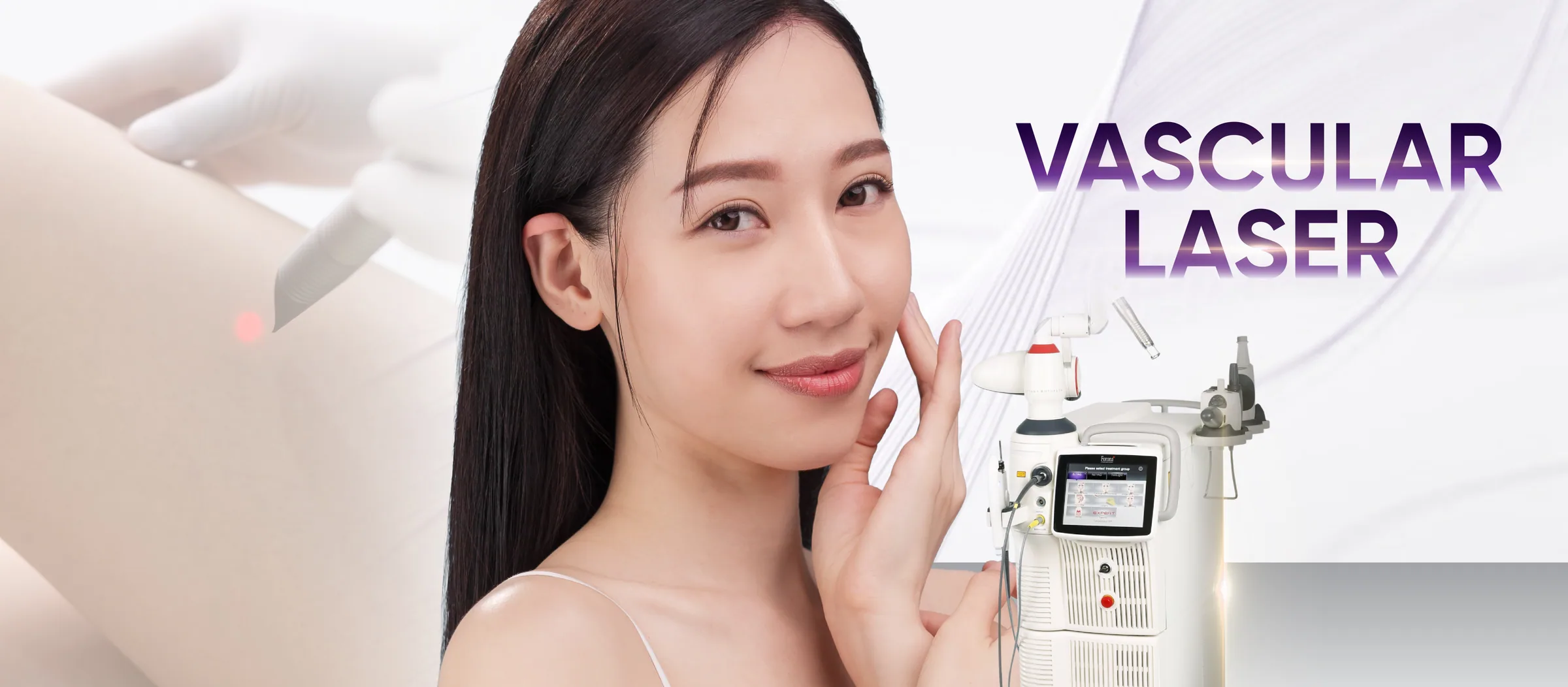
LASER & ENERGY
For facial redness, visible blood vessels, rosacea-related concerns and selected vascular birthmarks
At Clinic RX, Vascular Laser treatment is personalised according to your vessel pattern, skin tone, treatment area and individual treatment goals.
Different vascular concerns can involve vessels of different sizes and depths. The appropriate laser wavelength and settings are therefore selected according to the type of vessel being treated rather than using the same approach for every patient.
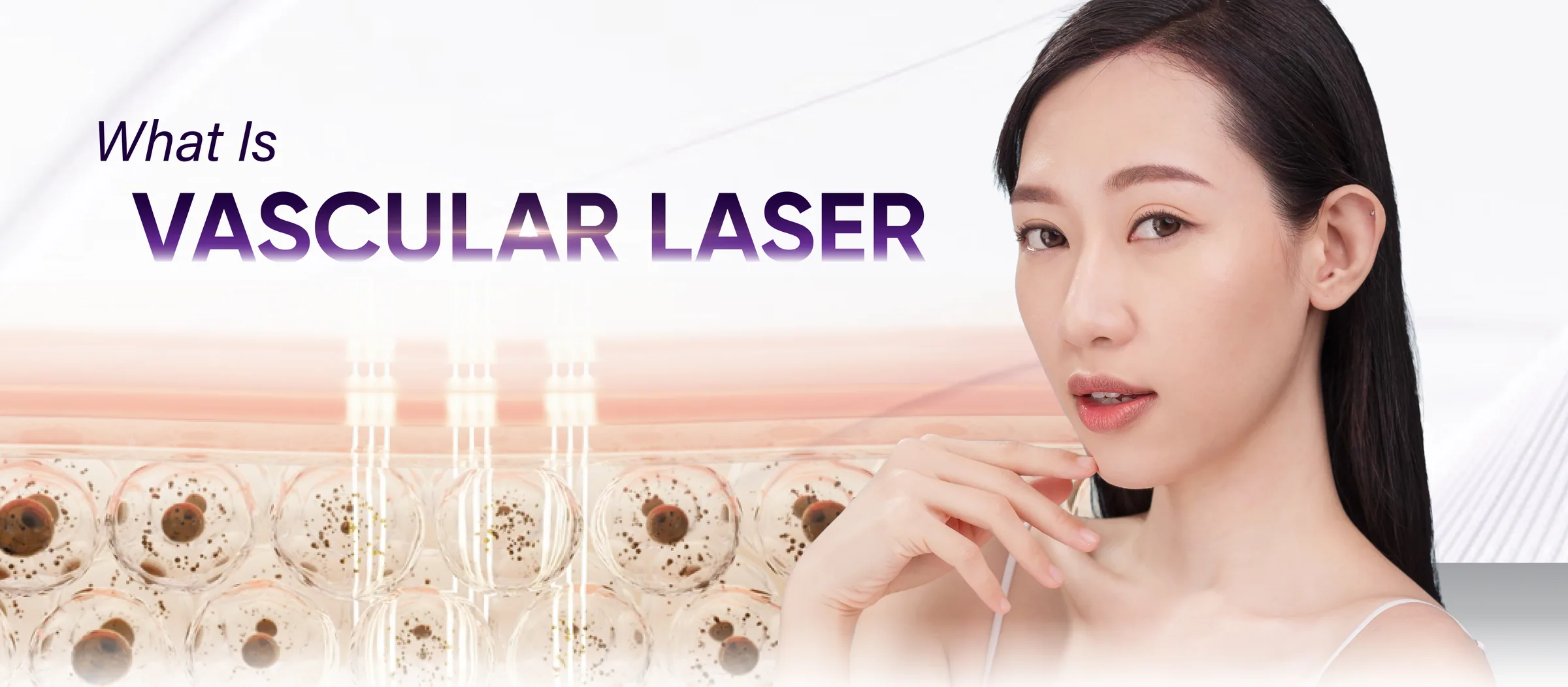
Vascular Laser refers to laser and light-based technologies designed to target haemoglobin, the pigment in red blood cells, within visible or unwanted blood vessels.
Different vascular laser systems use different wavelengths, including pulsed dye lasers around 585–595 nm, KTP lasers at 532 nm and longer-wavelength Nd:YAG lasers at 1064 nm. Different wavelengths may be suited to different vessel sizes, depths and colours.
The goal is to selectively heat the targeted vessel while limiting unnecessary damage to the surrounding skin.
Laser energy passes through the skin and is selectively absorbed by haemoglobin within the targeted blood vessel. The absorbed energy is converted into controlled heat, which damages the vessel wall.
The treated vessel then gradually collapses and is cleared by the body over the following days to weeks. As this occurs, the visible vessel or redness may progressively fade.
The wavelength and treatment settings are selected according to the vessel size, depth, colour, treatment area and skin tone.

Because facial redness can have different causes, an assessment is recommended before treatment to determine whether visible blood vessels are contributing to your concern.
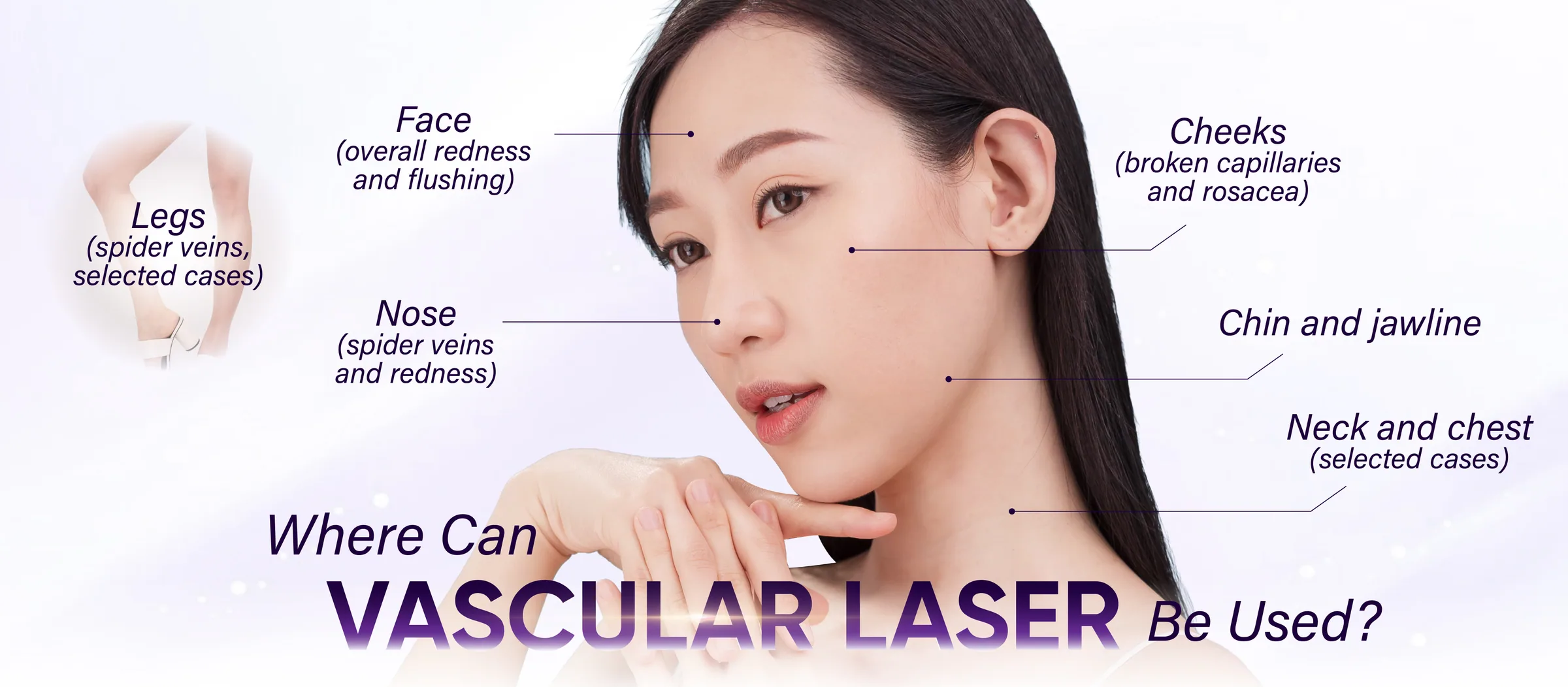
The areas treated and laser protocol used will depend on the vessel pattern, skin concern, skin tone and medical assessment.

The doctor reviews your redness or vessel pattern, treatment goals, skin tone and suitability.
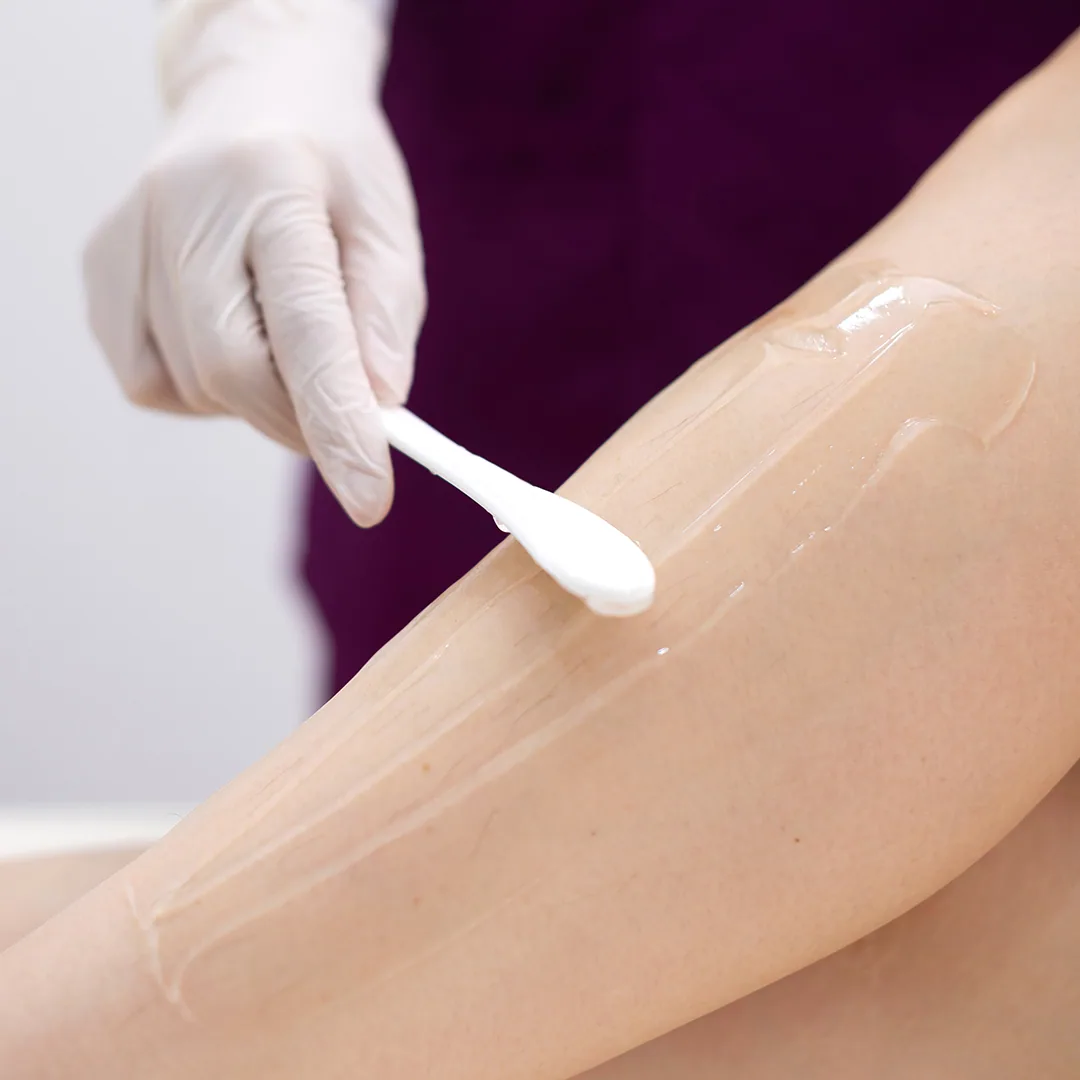
The treatment area is cleansed and prepared.
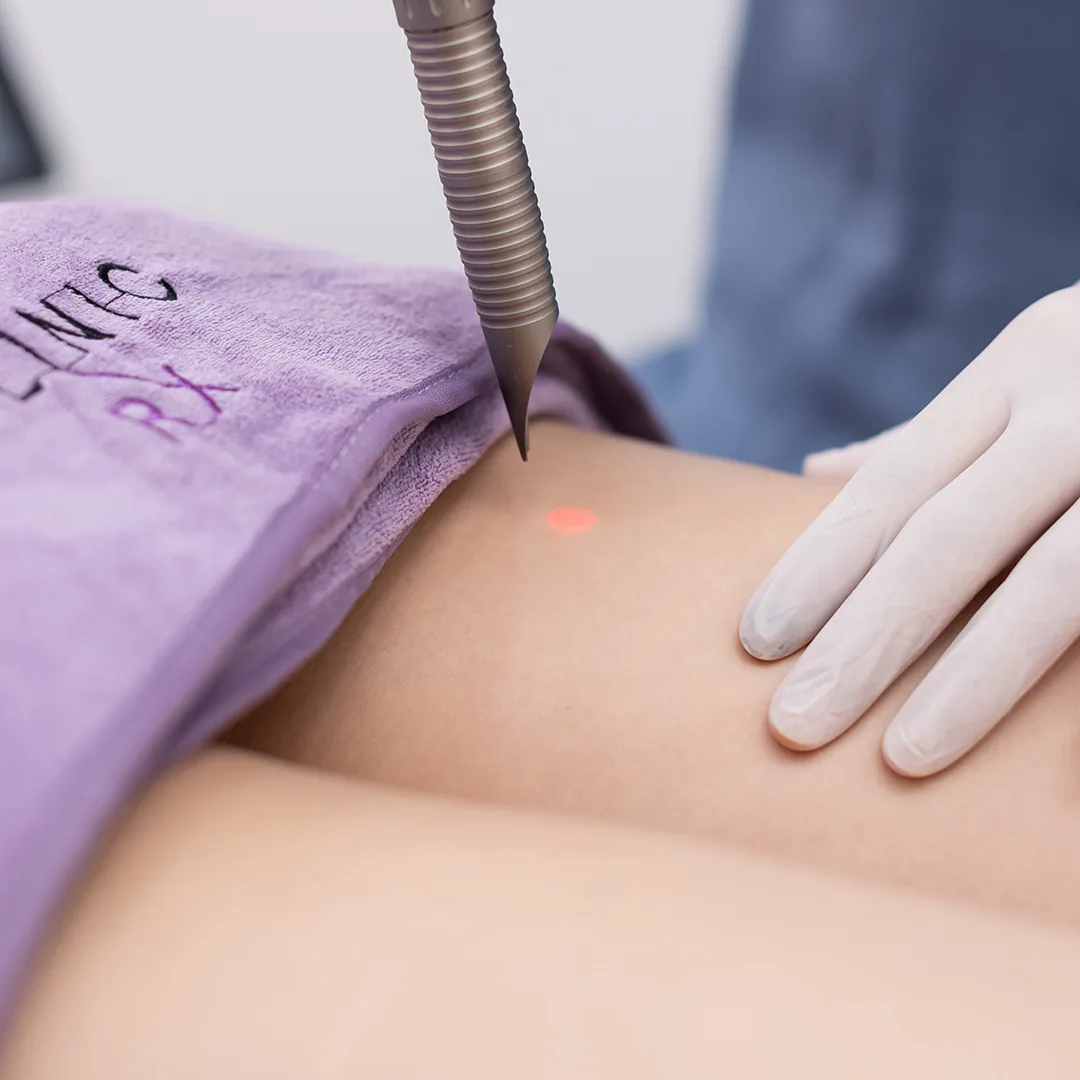
The selected wavelength and treatment protocol are performed according to the vessel pattern and skin characteristics.
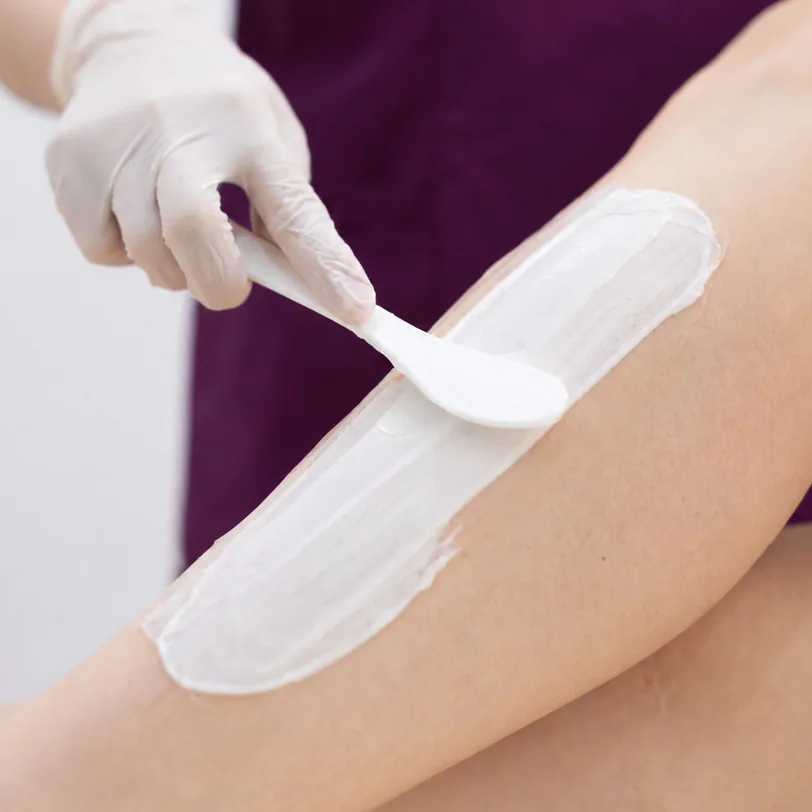
Cooling or calming care may be used to improve comfort.

Aftercare guidance is provided according to the wavelength, settings and your individual skin response.
Results develop progressively and vary between individuals. Some isolated superficial vessels may improve after a small number of sessions, while larger, deeper or chronic vascular concerns may require a longer treatment course.
Conditions such as rosacea can recur over time and may require ongoing management or maintenance treatment.
At Clinic RX, skin tone, vessel colour and depth, treatment area and history of pigmentation after inflammation are considered when selecting the treatment approach.
Tell your doctor about your medical history, medications, skincare products and previous aesthetic treatments before proceeding.
Vascular Laser is generally associated with relatively minimal downtime, but all medical laser procedures carry potential side effects and risks.
Post-inflammatory hyperpigmentation may occur, particularly in skin prone to marking after inflammation. The likelihood of purpura and other temporary reactions depends on the vascular laser technology, wavelength, settings and individual skin response.
Downtime is usually minimal, but it varies according to the vascular laser technology and settings used.
Mild redness and warmth are common immediately after treatment and usually settle within a few hours. Some treatments may cause temporary purpura, which appears as a bruise-like discolouration and may remain visible for several days to approximately one week.
Vessel clearing and improvement in redness continue progressively over the following days to weeks.
The cost of Vascular Laser varies according to the treatment area, vessel pattern, laser wavelength or protocol used and the number of sessions recommended.
At Clinic RX, the appropriate treatment plan and pricing can be discussed after your skin and vessel pattern have been assessed.
Contact your preferred Clinic RX location for current Vascular Laser consultation, availability and pricing.
Vascular Laser is available 4D is available at selected Clinic RX locations, including:
Please contact your preferred Clinic RX location to confirm current Vascular Laser availability and arrange a consultation for facial redness, visible blood vessels or selected vascular concerns.
Vascular Laser refers to laser technology that targets haemoglobin within blood vessels to help improve facial redness, visible vessels and selected vascular concerns. Different laser systems use different wavelengths suited to different vessel types.
Laser energy is selectively absorbed by haemoglobin within the targeted vessel and converted into heat. This damages the vessel wall, allowing the vessel to gradually collapse and be cleared by the body.
It may help selected facial redness where visible or dilated blood vessels contribute to the concern. Because redness has several possible causes, assessment is recommended before treatment.
Vascular Laser may reduce the appearance of suitable superficial blood vessels. Results depend on the vessel's size, depth, colour and individual treatment response.
It may reduce visible redness and vessels associated with rosacea, but rosacea is a chronic condition and generally requires ongoing management alongside laser treatment.
Selected vascular birthmarks may be considered for laser treatment depending on their type, colour, depth and medical assessment.
Most patients describe warmth, snapping or a stinging sensation with each pulse. Cooling is generally used to improve comfort.
Downtime is usually minimal, although selected treatments can cause temporary bruise-like purpura lasting several days to about a week.
Some fading may be visible within days to weeks. Larger or deeper vessels may require several sessions and improve more gradually.
The number of sessions depends on vessel size, depth, colour, underlying cause and individual response. Some isolated vessels may improve after one or two sessions, while chronic redness may require ongoing management.
Yes. New vessels or redness can develop over time, particularly with chronic conditions such as rosacea. Maintenance treatment may therefore be recommended.
This page provides general information about Vascular Laser and does not replace an individual medical consultation. Treatment suitability, wavelength, settings, expected results, number of sessions and potential risks vary between individuals.