Clinic RX Bukit Jalil
Kuala Lumpur, Malaysia
Mon–Fri, 10am–7pm | Sat, 9am–6pm
SKIN CONDITION
Learn the difference between indented acne scars, raised scars and post-acne marks, why they form, and which treatments may help improve skin texture, pigmentation and redness.
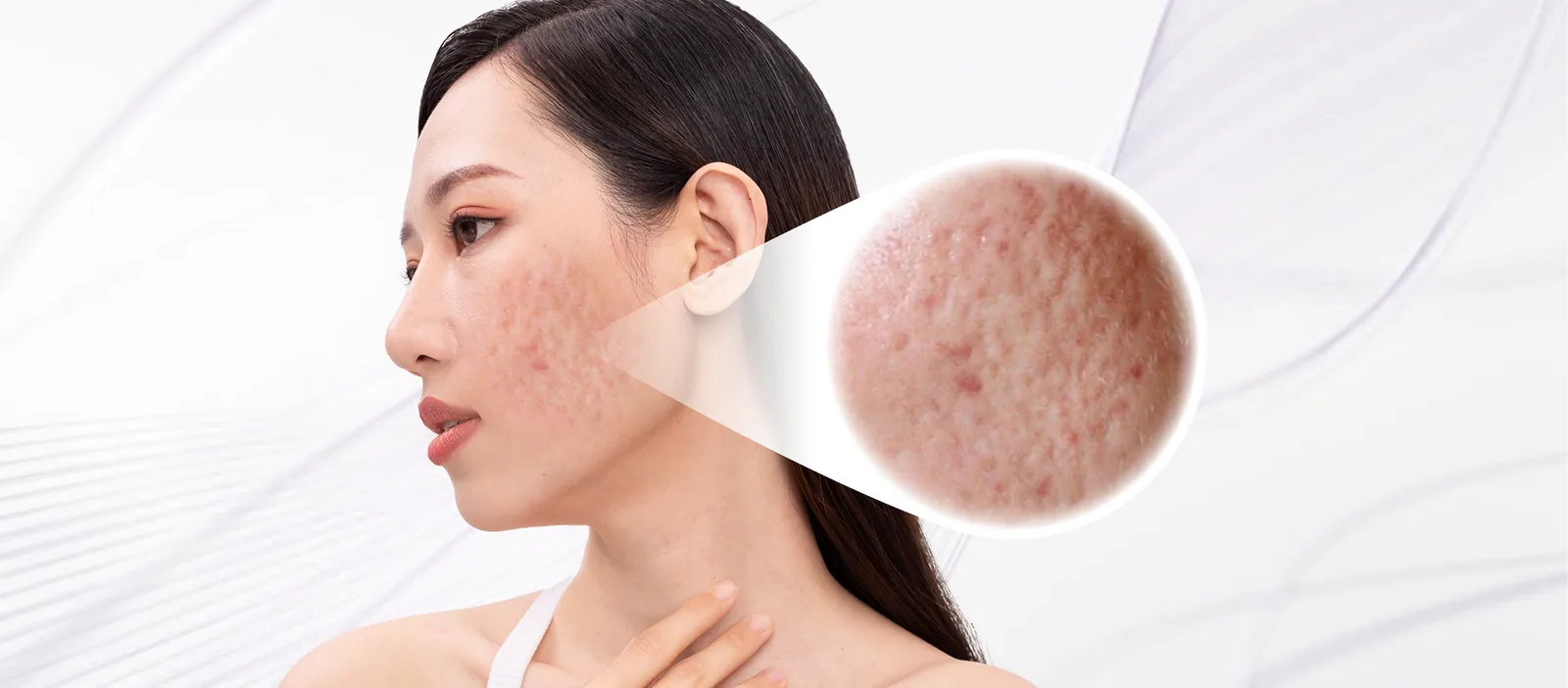
Acne scars are changes in skin texture or colour that remain after acne has healed. They can appear as indented scars, raised scars, brown pigmentation or persistent red marks.
True acne scars involve changes in the skin’s structure, while post-acne marks such as post-inflammatory hyperpigmentation (PIH) and post-inflammatory erythema (PIE) are flat colour changes rather than permanent indentations.
Assessment helps determine whether the main concern is collagen loss, raised scar tissue, pigmentation, redness or a combination.
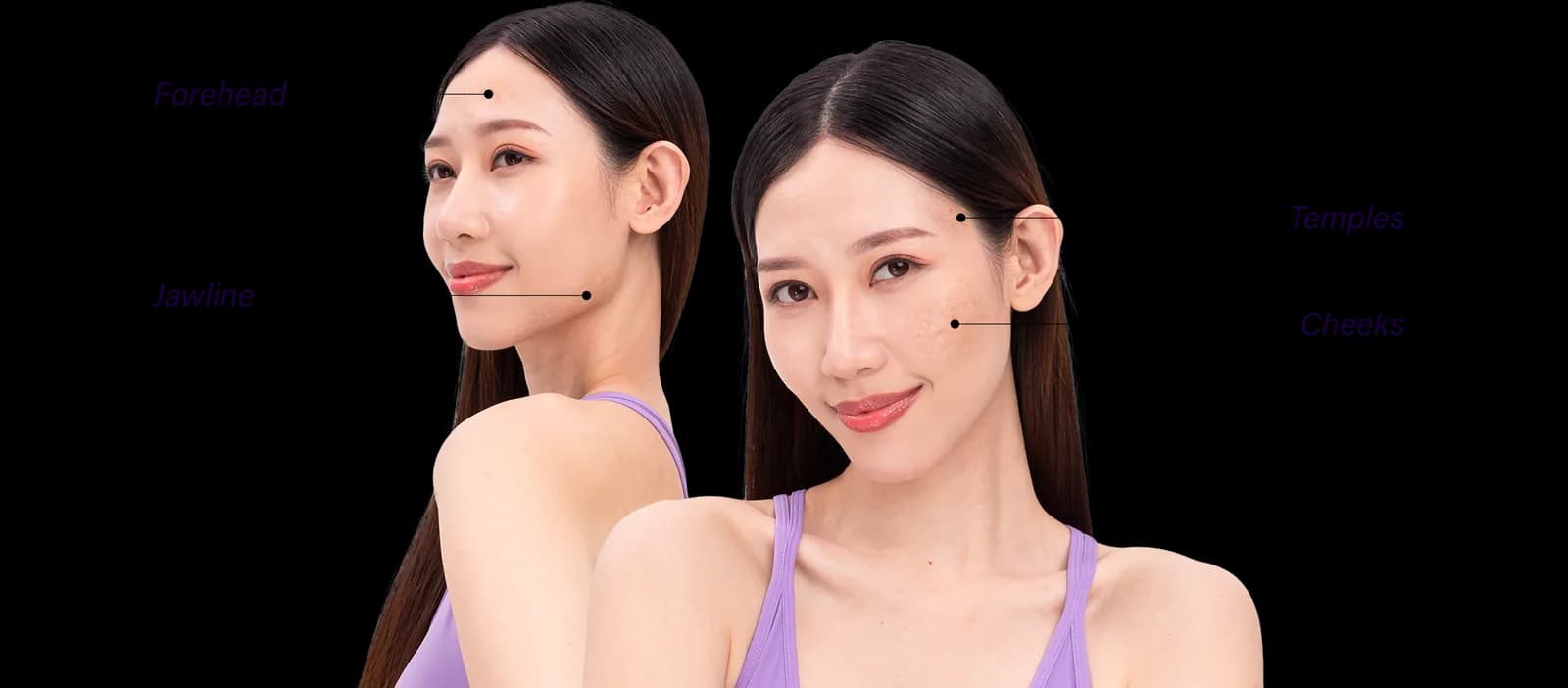
Acne scars are not all the same. Some are caused by collagen loss, some involve excess scar tissue, and others are actually flat red or brown post-acne marks. Identifying the scar type first helps us choose a more targeted treatment plan.
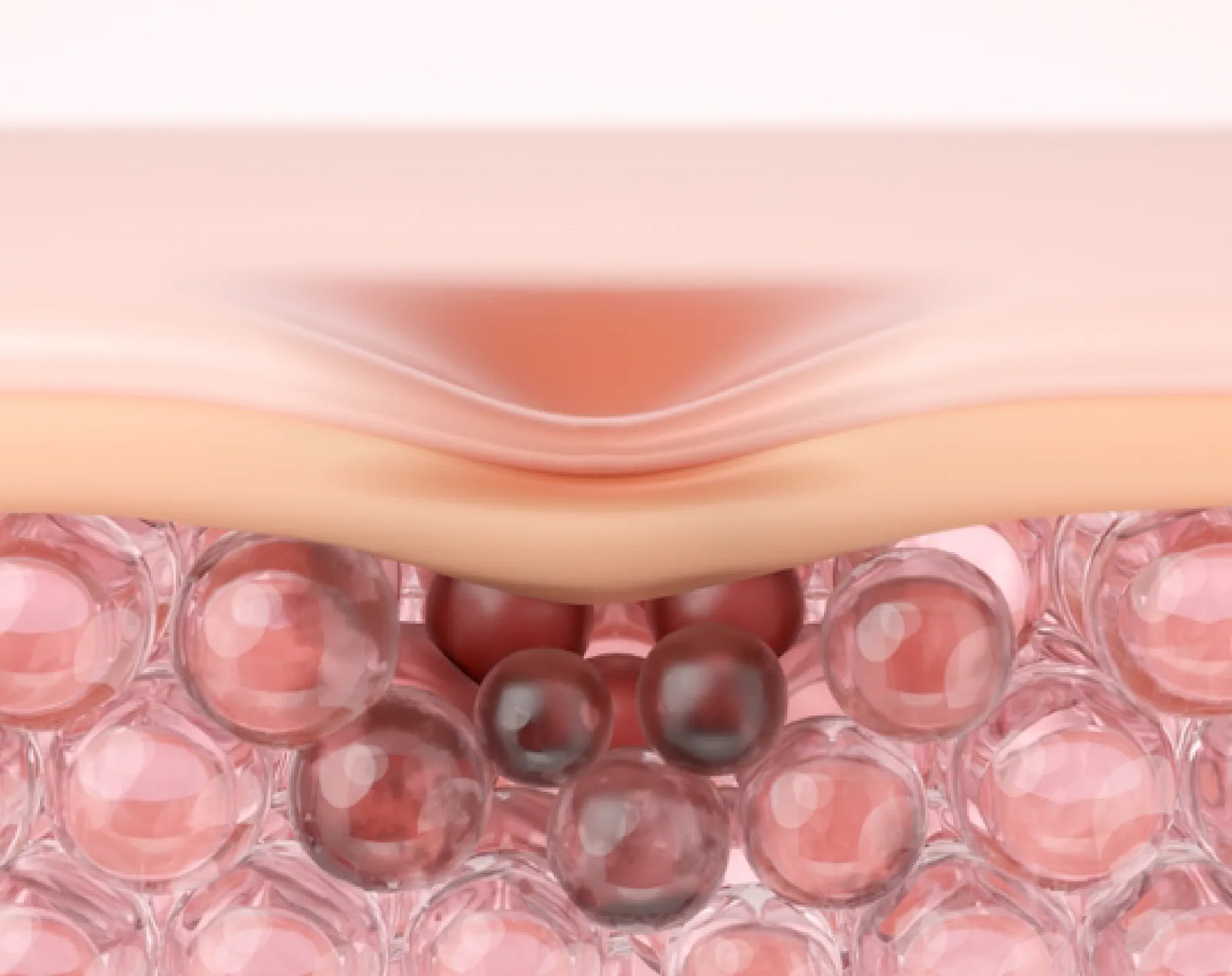
Acne scars develop when inflammation damages the skin and the healing process produces too little or too much collagen.
The risk of scarring generally increases when acne is deeper, more inflamed or persists for longer periods.
This is why a treatment that works well for pigmentation may not be the right treatment for an indented scar, and vice versa.
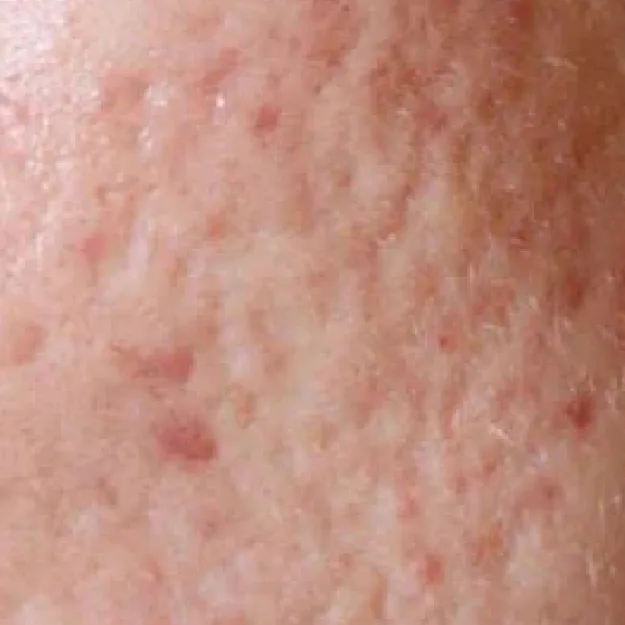
Indented scars caused by collagen loss during acne healing. These may appear as narrow, broad or rolling depressions in the skin.
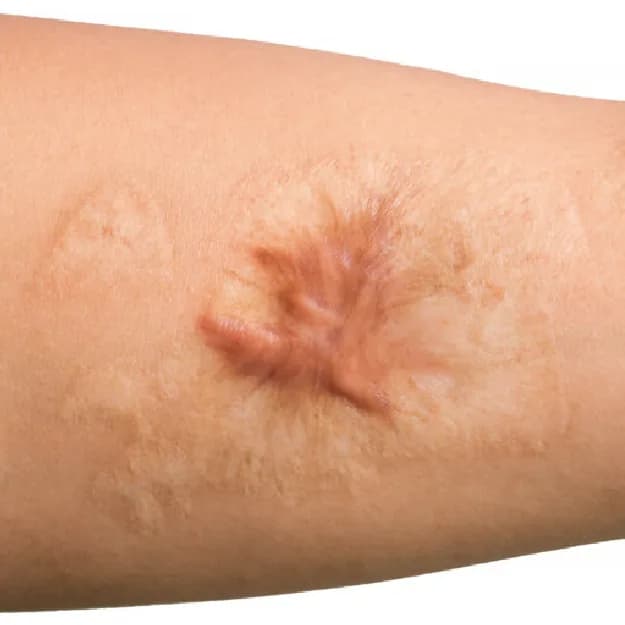
Raised scars caused by excess tissue formation during healing.
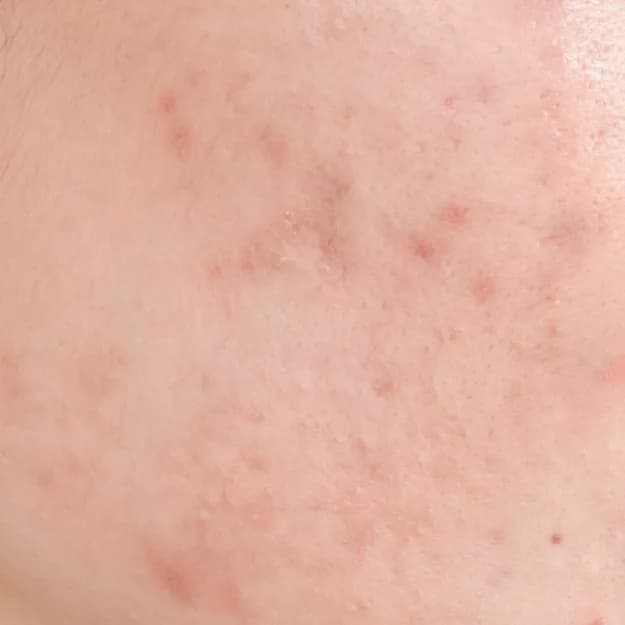
Flat brown or darker marks left after inflammation. PIH is a pigment change rather than an indented scar.
Flat red or pink marks that remain after acne inflammation. PIE is related to redness rather than collagen loss.
A consultation and physical assessment is required to confirm suitability — this page is general education, not a diagnosis.
Treatment selection depends on scar type, depth, pigmentation, redness, skin condition and individual response. More than one treatment may be combined when different scar patterns are present.
Book Consultation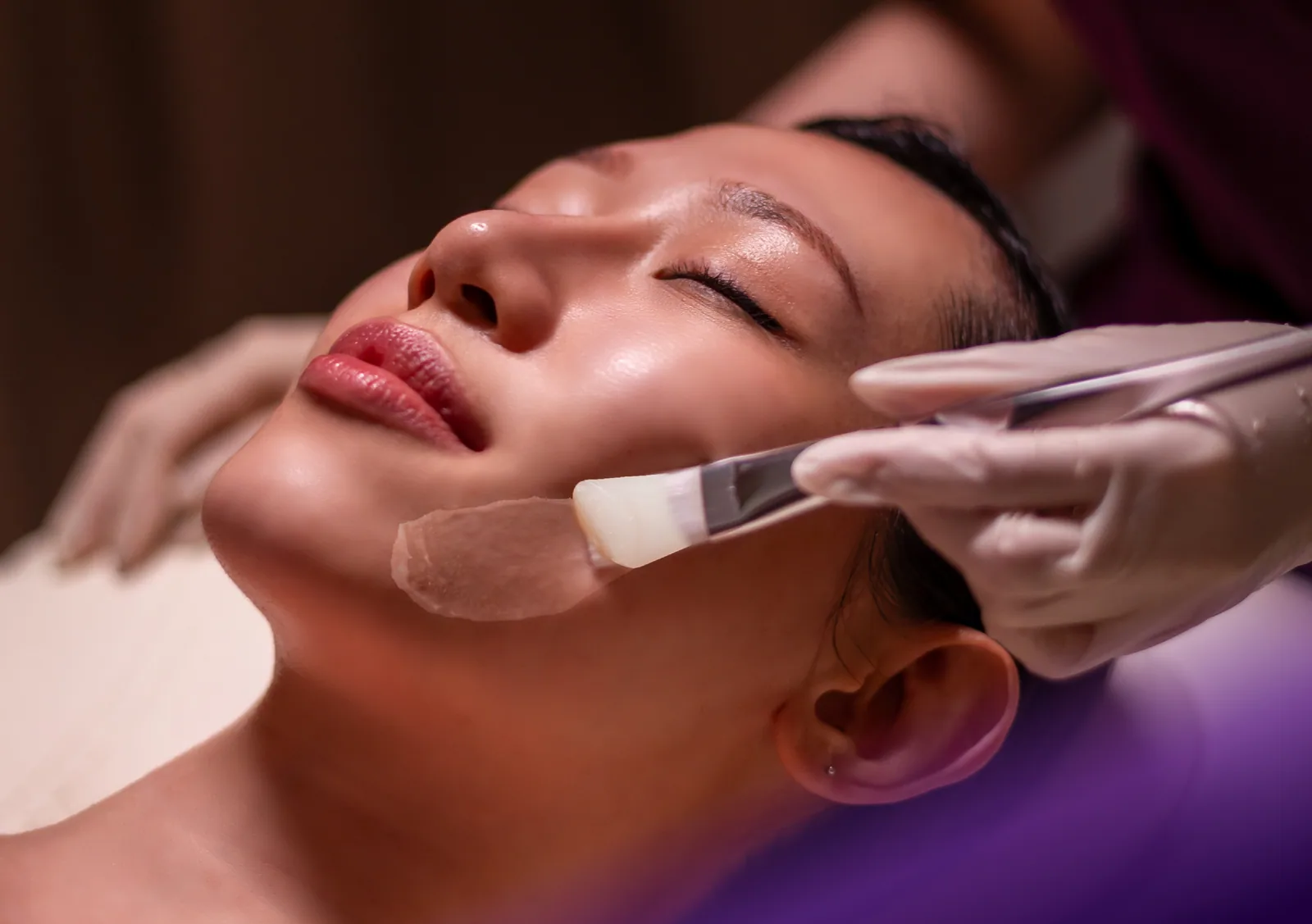 01
01Surface Renewal & Post-Acne Marks
Encourages skin renewal to improve congestion, surface texture and post-breakout marks. It is generally more relevant to superficial texture and colour concerns than deep indented scars.
 02
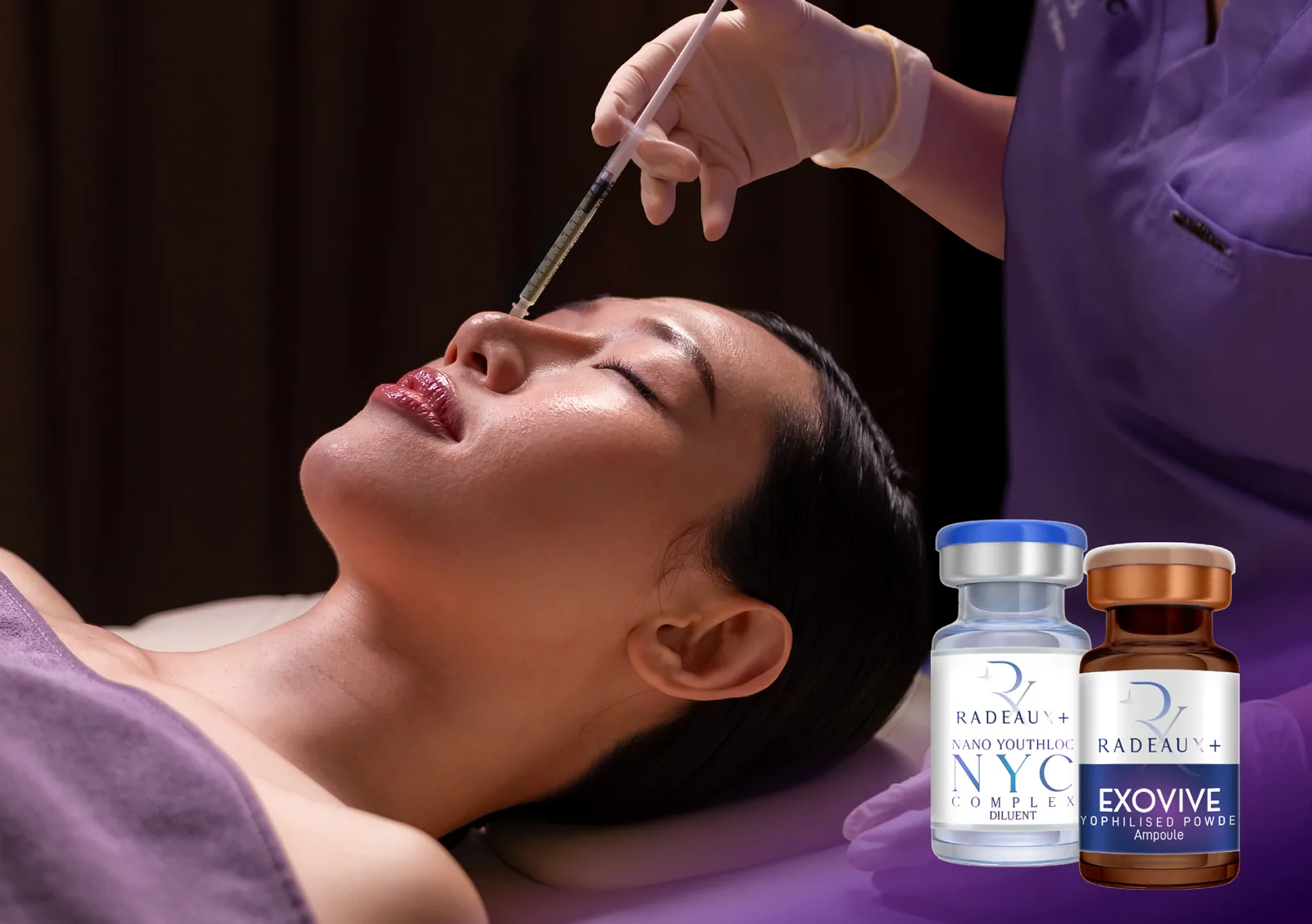
02Skin Repair & Recovery
Supports skin repair, recovery, texture and overall skin resilience. It may be used as part of a combination plan rather than as a stand-alone correction for every scar type.
 03
03Acne Scar Resurfacing
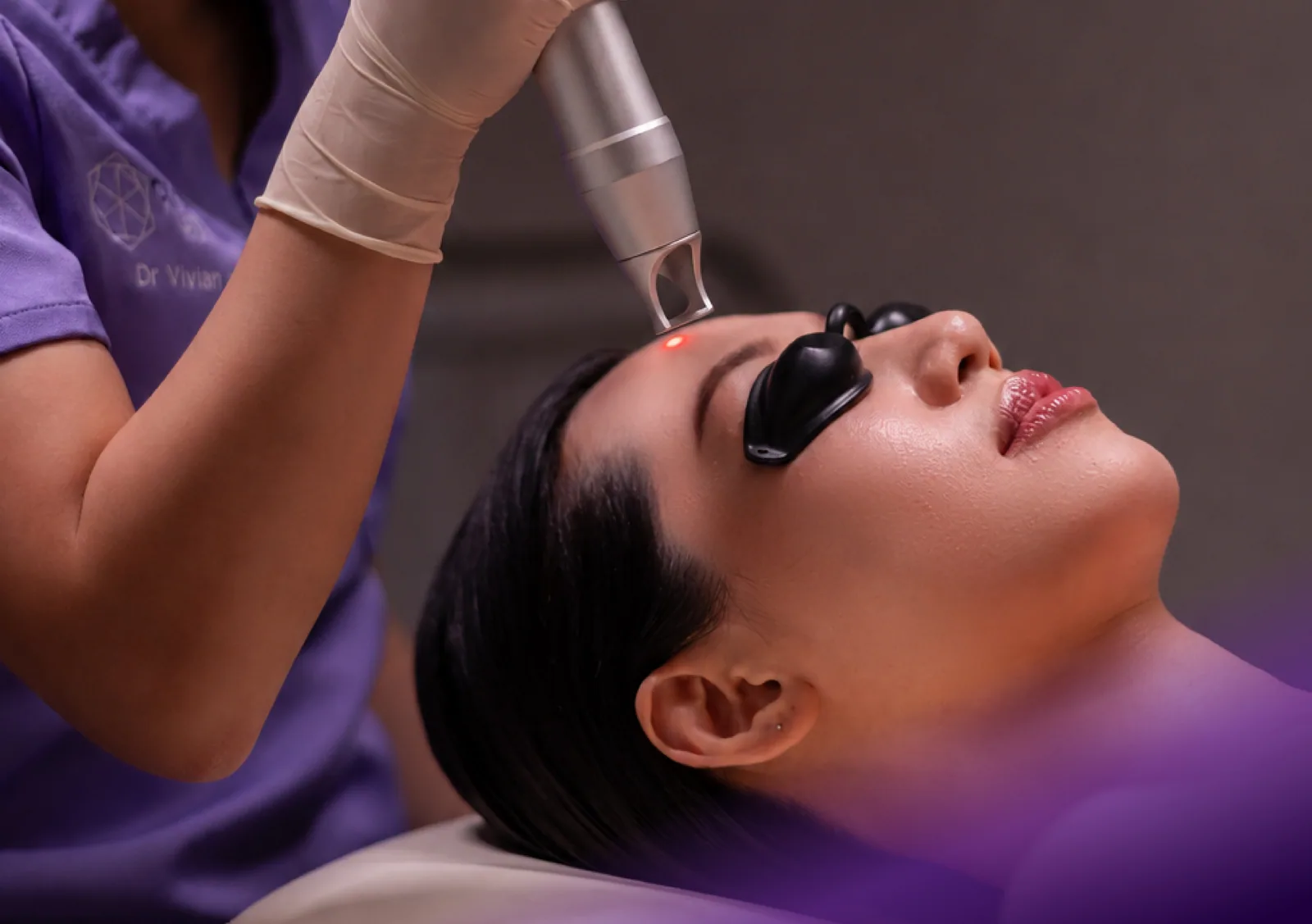
Creates controlled micro-treatment zones to stimulate skin renewal and collagen remodelling, helping improve indented acne scars and uneven texture.
 04
04RF Microneedling & Collagen Remodelling
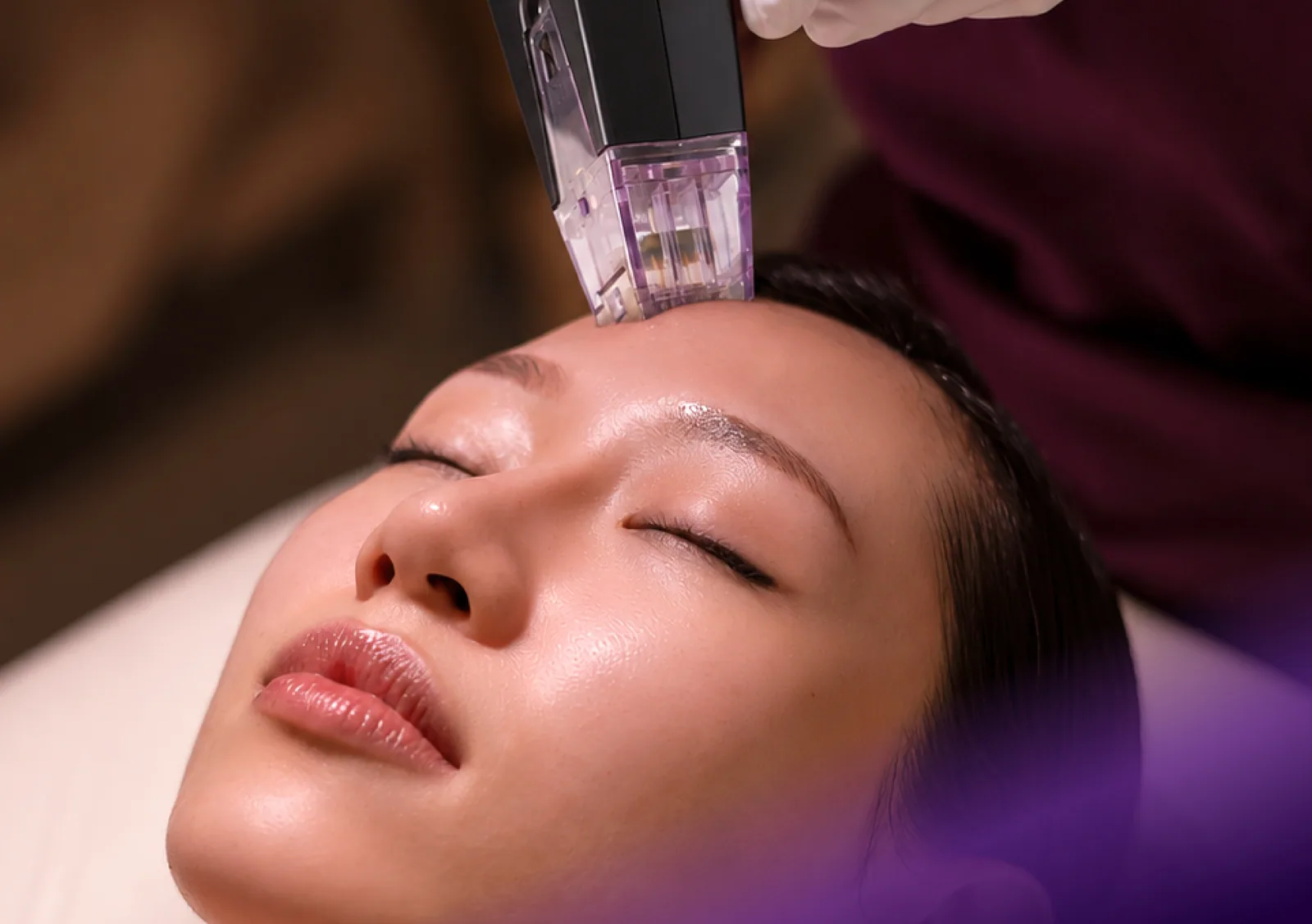
Combines microneedling with radiofrequency energy to remodel collagen and improve acne scars, enlarged-looking pores and uneven texture.
 05
05Post-Acne Pigmentation & Uneven Tone
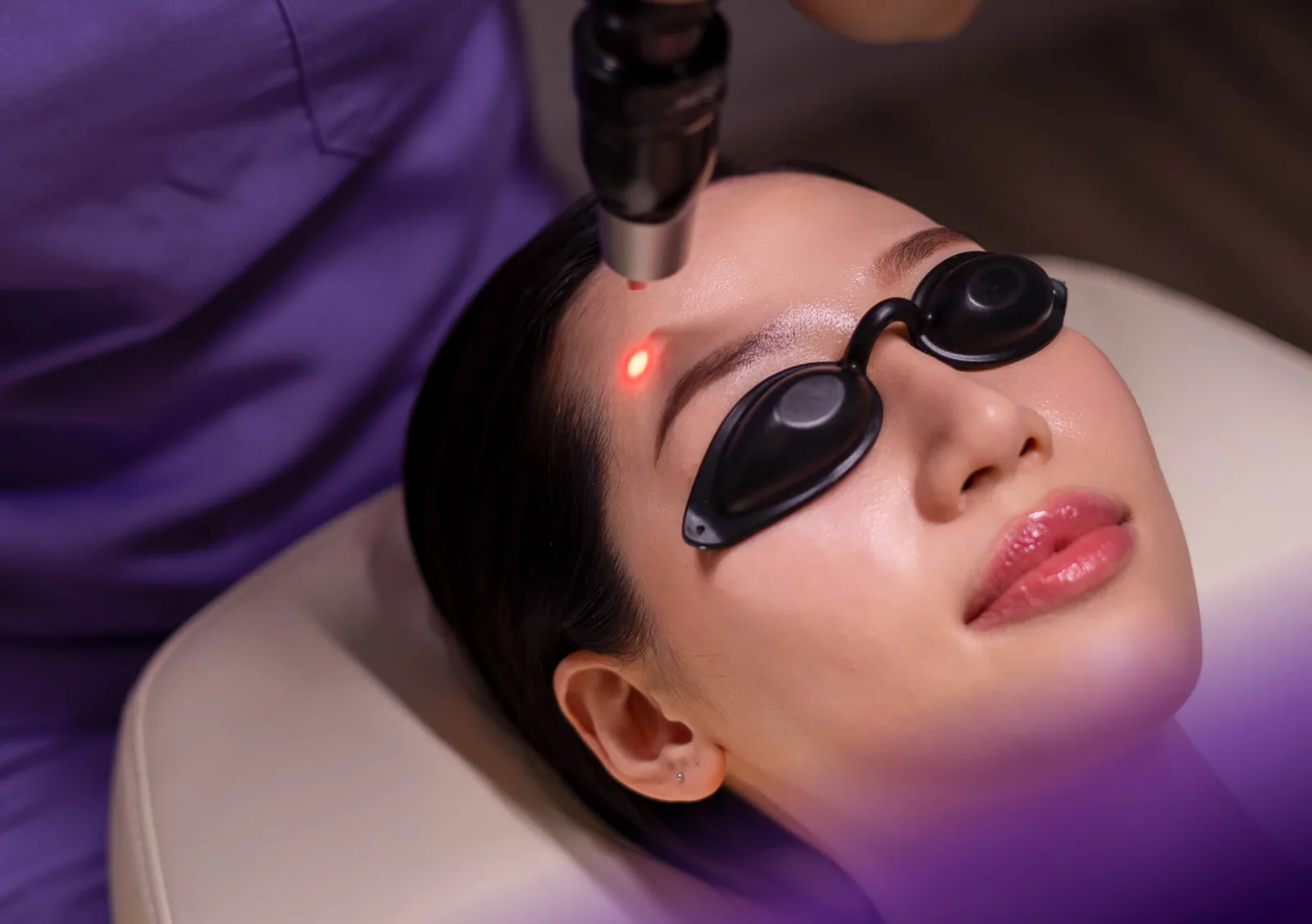
Targets unwanted pigment and uneven skin tone, making it particularly relevant when brown post-acne marks or pigmentation are part of the concern.
 06
06Regenerative Skin Repair
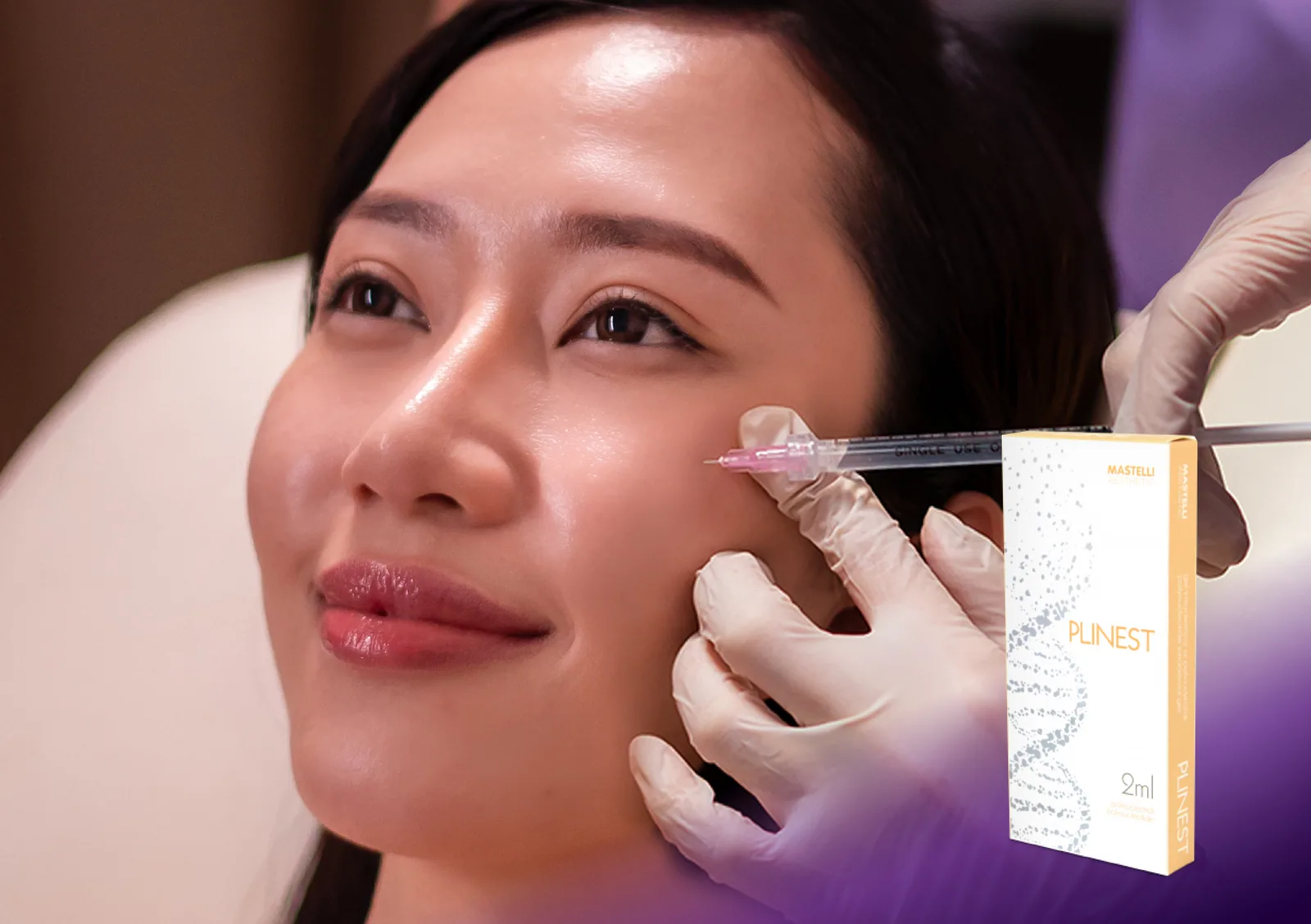
Supports regenerative skin repair, hydration and texture. It may be incorporated into a treatment plan to improve overall skin quality and recovery.
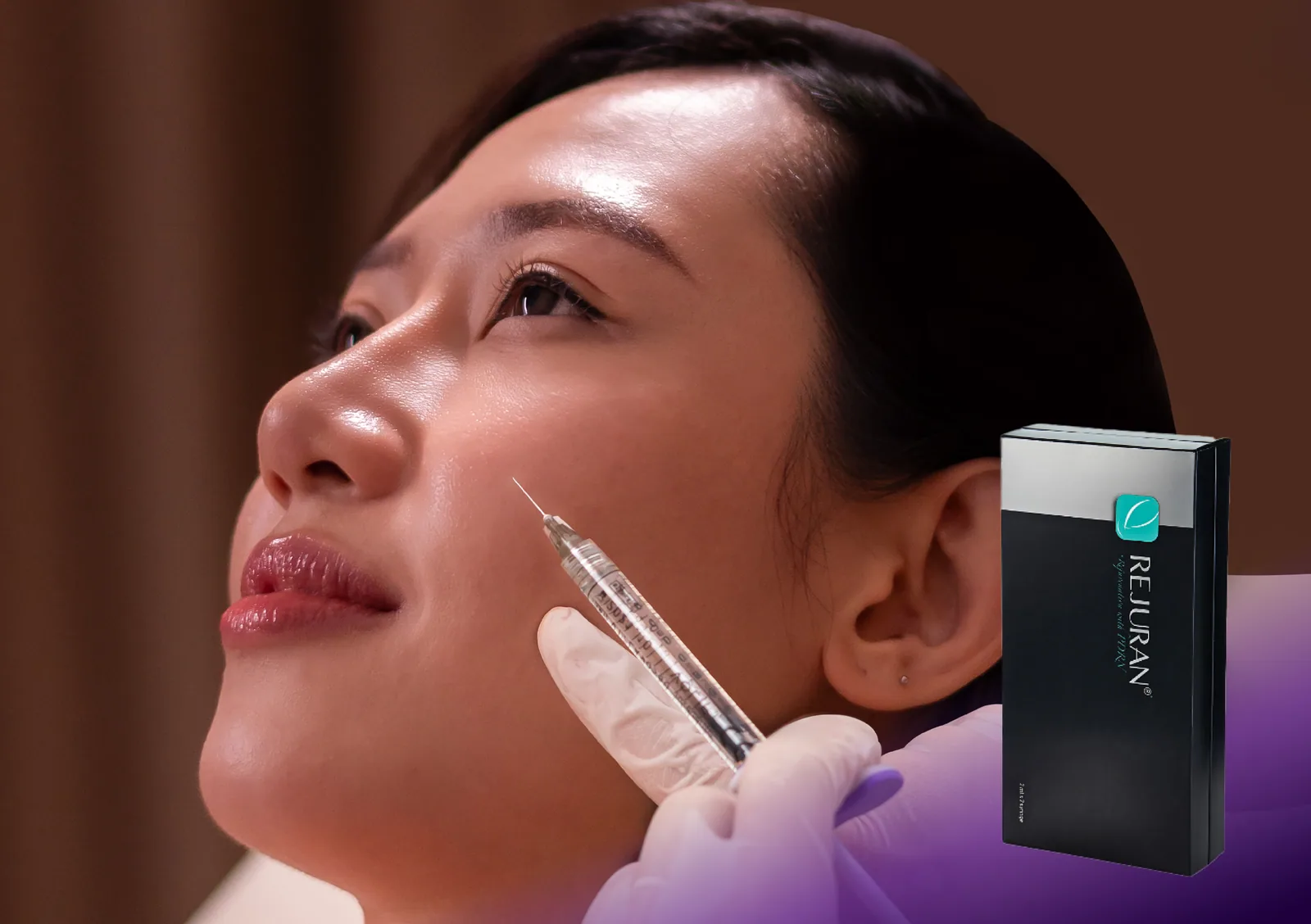 07
07Skin Repair & Resilience
Uses polynucleotides to support skin repair, elasticity, hydration and resilience. It may complement resurfacing or scar-remodelling treatments where skin quality also needs improvement.
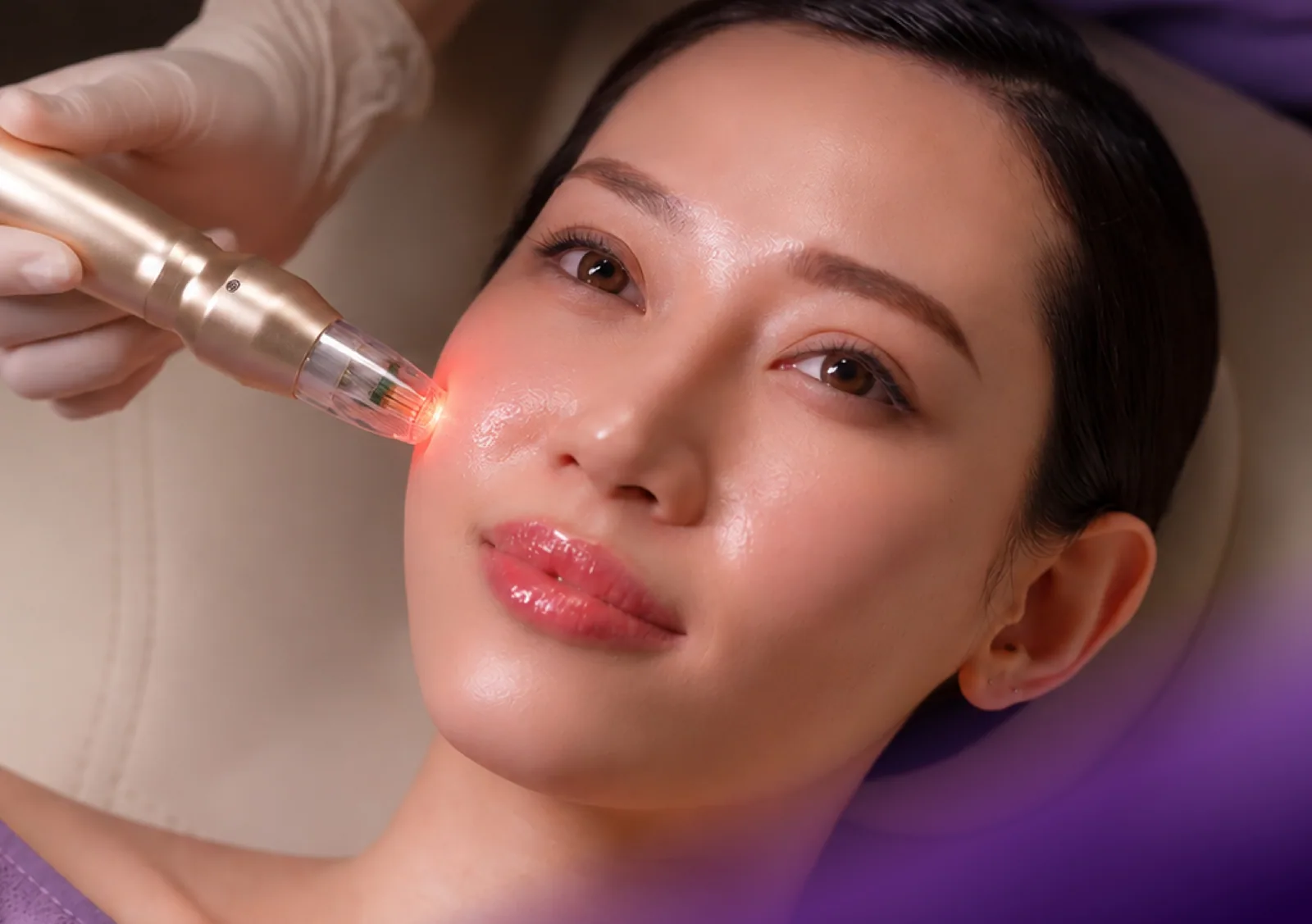 08
08RF Microneedling for Texture, Redness & Pigmentation
Uses radiofrequency microneedling to improve uneven texture and pores while also addressing redness and pigmentation in suitable patients.
A Clinic RX doctor can assess whether your main concern is indented scarring, raised scars, pigmentation, redness or a combination and recommend a personalised treatment plan.
Acne scar treatments vary in intensity, and the appropriate option depends on skin type, scar pattern and healing response.
This is general information, not medical advice. Treatment-specific risks and suitability will be discussed during consultation before consent is obtained.
Depending on scar type and the treatment selected, suitable patients may experience:
Acne scar improvement is usually gradual. Deeper or mixed scars often require a series of treatments or a combination approach rather than a single session.
Acne scars form when inflammation damages the skin and the healing process produces too little or too much collagen. Deep, cystic or highly inflamed acne carries a greater risk of scarring.
Acne-related concerns include indented or atrophic scars, raised hypertrophic or keloid scars, brown post-inflammatory hyperpigmentation (PIH) and red post-inflammatory erythema (PIE).
True acne scars involve a change in skin texture, such as an indentation or raised scar. Acne marks such as PIH and PIE are flat brown or red colour changes left after a breakout.
Flat red or brown post-acne marks may fade gradually, but true indented or raised scars involve structural changes in the skin and are less likely to disappear completely without treatment.
There is no single best treatment for every acne scar. Fractional Laser, Morpheus8 and Sylfirm X may be considered for texture and collagen remodelling, while Pico Laser may be more suitable for post-acne pigmentation. Other treatments may be added to support skin renewal, repair and recovery.
Yes. Fractional Laser resurfaces targeted areas of skin and stimulates collagen remodelling, making it a commonly considered option for indented acne scars and uneven texture.
Morpheus8 combines microneedling and radiofrequency energy to stimulate collagen remodelling. It may help improve indented scars, enlarged-looking pores and uneven skin texture.
Pico Laser is generally more useful for post-acne pigmentation and uneven skin tone than for correcting deep indented scars. If both pigmentation and textural scarring are present, it may form part of a combination treatment plan.
Sylfirm X uses radiofrequency microneedling to support skin remodelling and may improve uneven texture and pores while also addressing redness and pigmentation in suitable patients.
Rejuran and Plinest support skin repair, hydration and overall skin quality, but they should not be described as treatments that simply erase deep acne scars. They may be used alongside other scar-remodelling treatments depending on the treatment plan.
A peel can improve surface renewal, congestion, superficial texture and post-acne marks, but deeper indented scars usually require treatments that stimulate more significant collagen remodelling.
The number of sessions depends on scar type, depth, treatment selected, skin response and goals. Mixed or deeper acne scars commonly require a treatment course or combination approach.
Complete removal cannot be guaranteed. Treatment aims to reduce the visibility of scars and improve skin texture, colour and overall appearance.
Pricing depends on scar type, treatment selected, number of sessions and whether combination treatment is recommended. Final pricing is confirmed after consultation.
If you are unsure whether you have indented acne scars, raised scars, PIH, PIE or a combination, a Clinic RX doctor can assess your skin and recommend treatment according to scar type, depth, colour and skin condition.
Treatment suitability, expected results, risks, number of sessions and maintenance vary between individuals and will be discussed during consultation.