
Clinic RX Bukit Jalil
Kuala Lumpur, Malaysia
Mon–Fri, 10am–7pm | Sat, 9am–6pm
HAIR CONDITION
Learn what causes hair loss, how pattern hair loss, telogen effluvium, alopecia areata and traction alopecia differ, and which treatments may help support scalp health, follicle activity and hair regrowth.
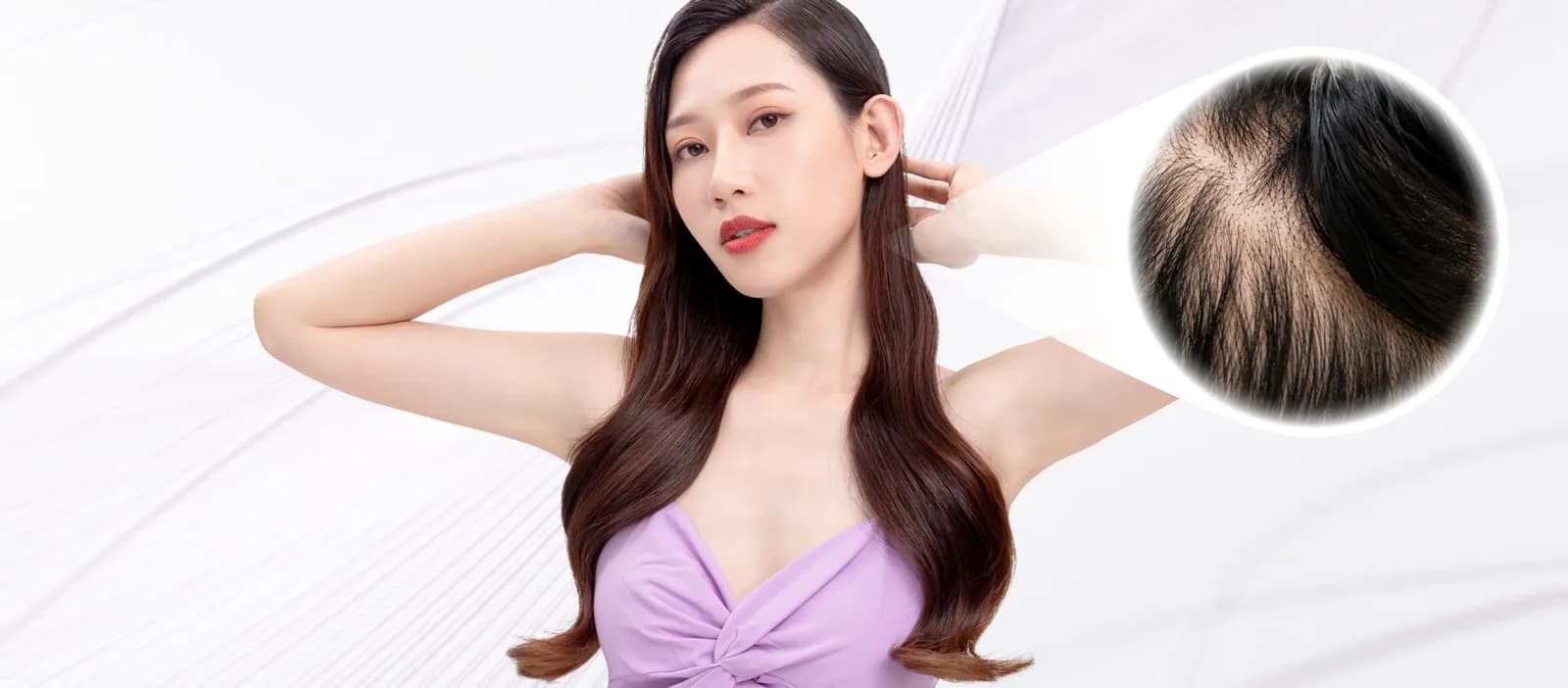
Hair loss develops when hair follicles shrink, weaken or stop producing hair because of genetic, hormonal, scalp-related or other contributing factors.
It can appear as a receding hairline, thinning at the crown, widening of the part line, patchy hair loss or a general reduction in hair density.
Assessment is important because different hair-loss patterns have different causes. Identifying the pattern and possible trigger helps determine whether treatment should focus on follicle stimulation, scalp health, an underlying cause or a combination.
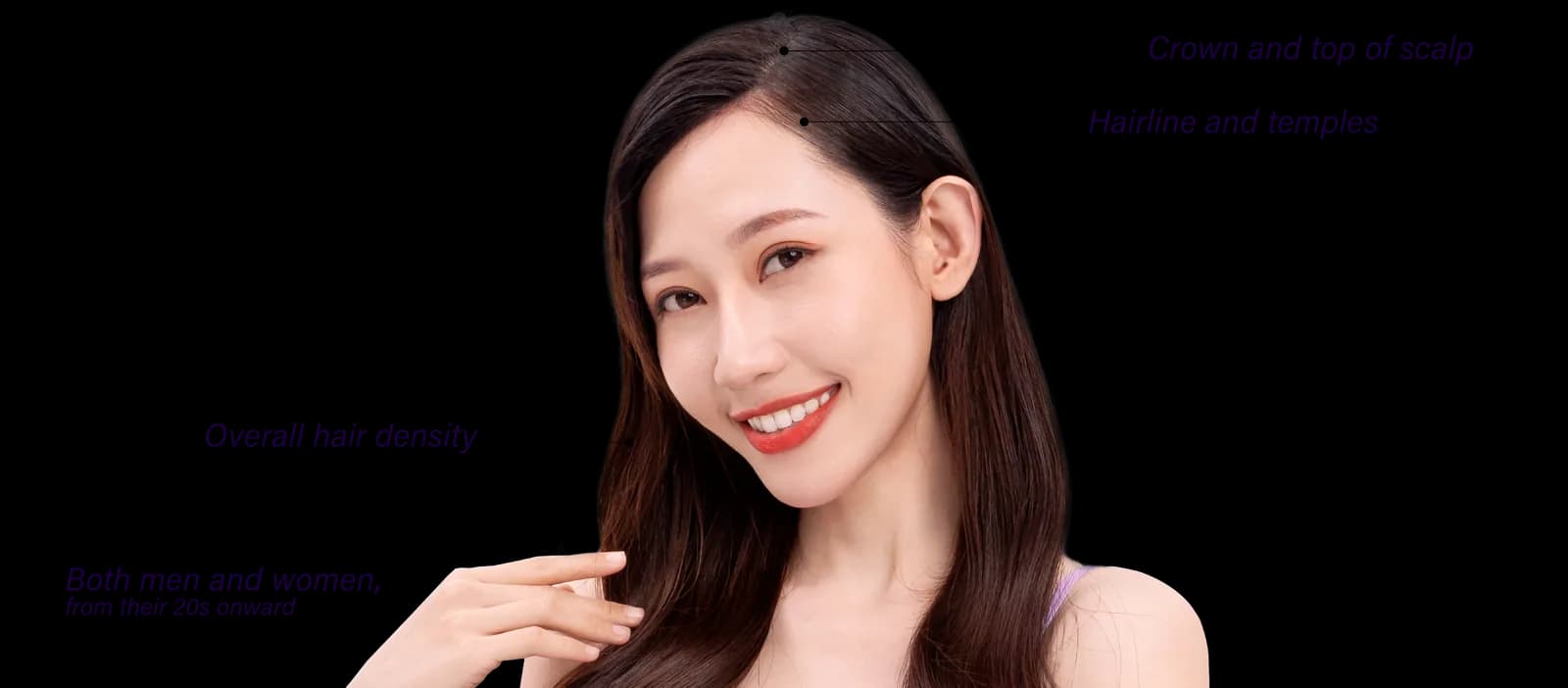
Hair loss treatment starts with identifying the pattern and likely cause. Genetic thinning, temporary shedding and patchy hair loss do not behave the same way, so the treatment plan should be based on the follicle condition, scalp health and possible underlying triggers.
Hair loss can be caused by a combination of factors, including:
Because hair loss has multiple possible causes, treatment should address the likely trigger as well as follicle and scalp health where appropriate.
Earlier assessment may help preserve existing follicles where the cause is treatable, but the expected response depends on the type and stage of hair loss.
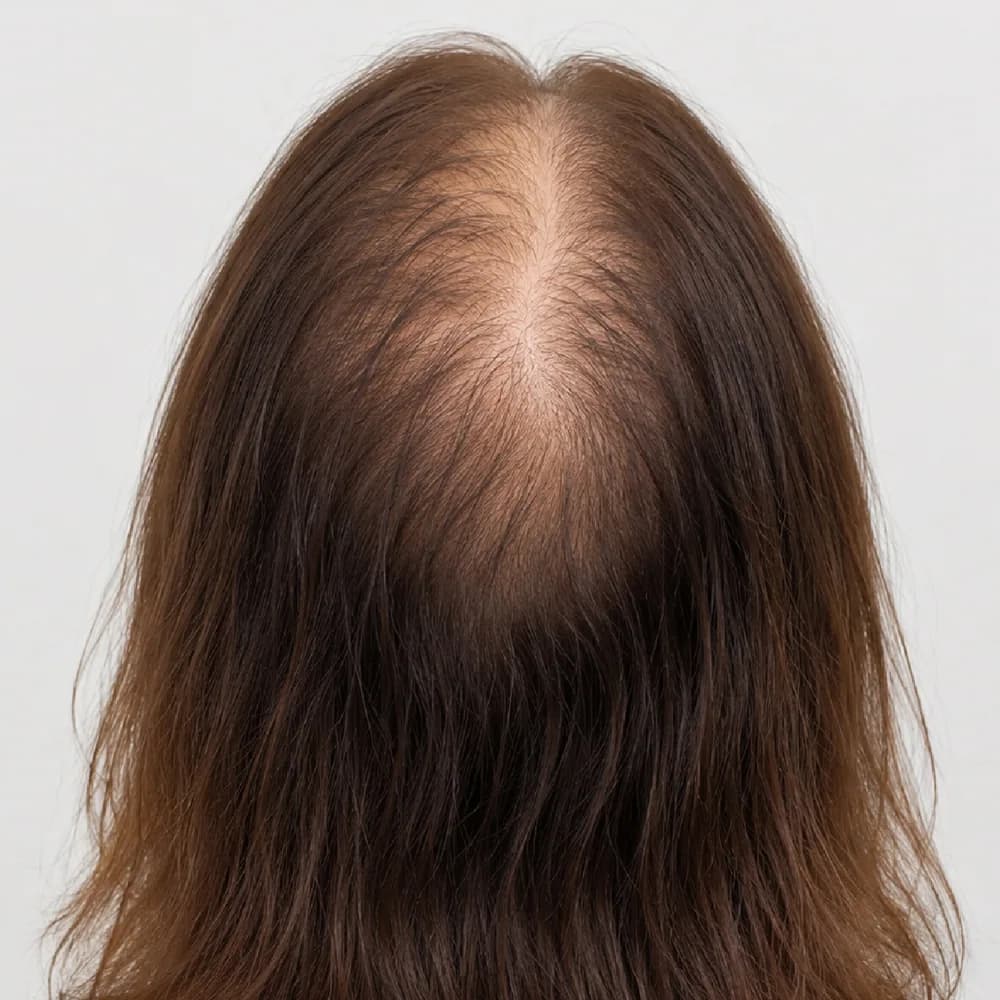
Genetic pattern hair loss and the most common form of progressive thinning.
Increased shedding that may be triggered by stress, illness, hormonal changes or other physiological stressors.
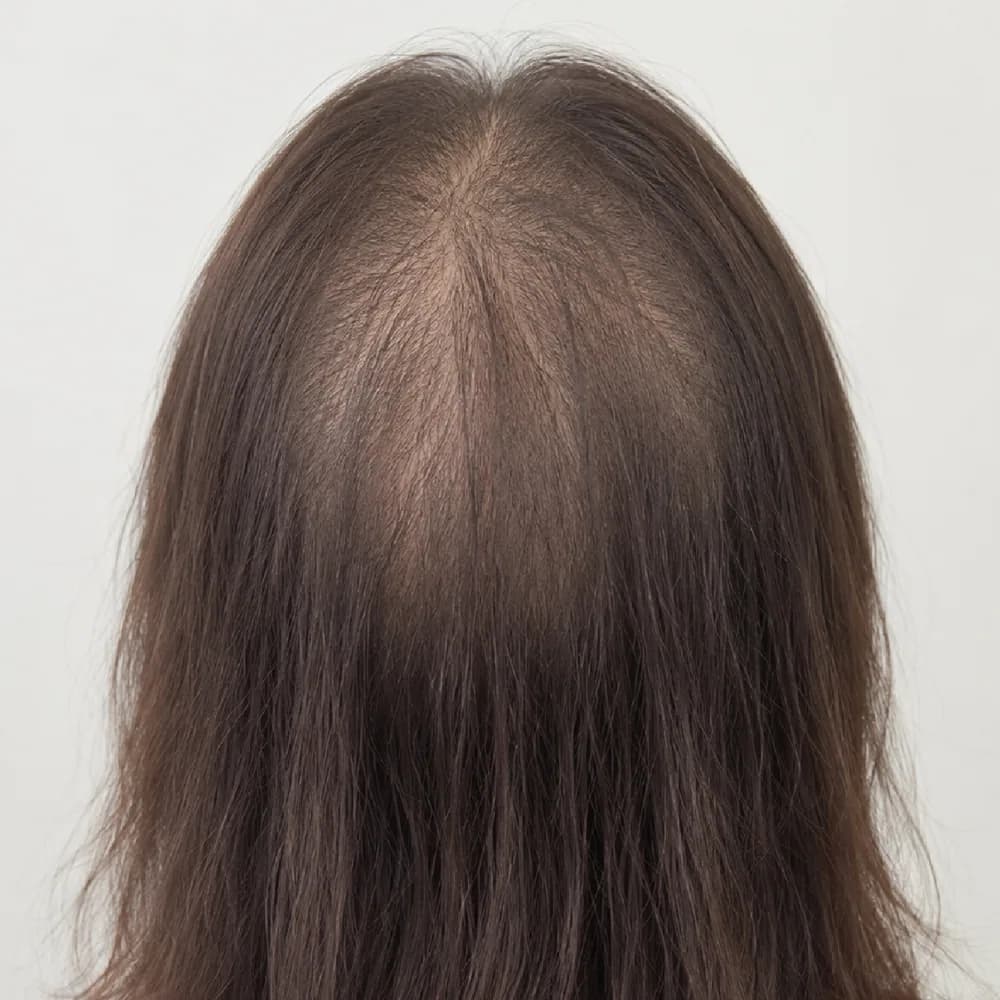
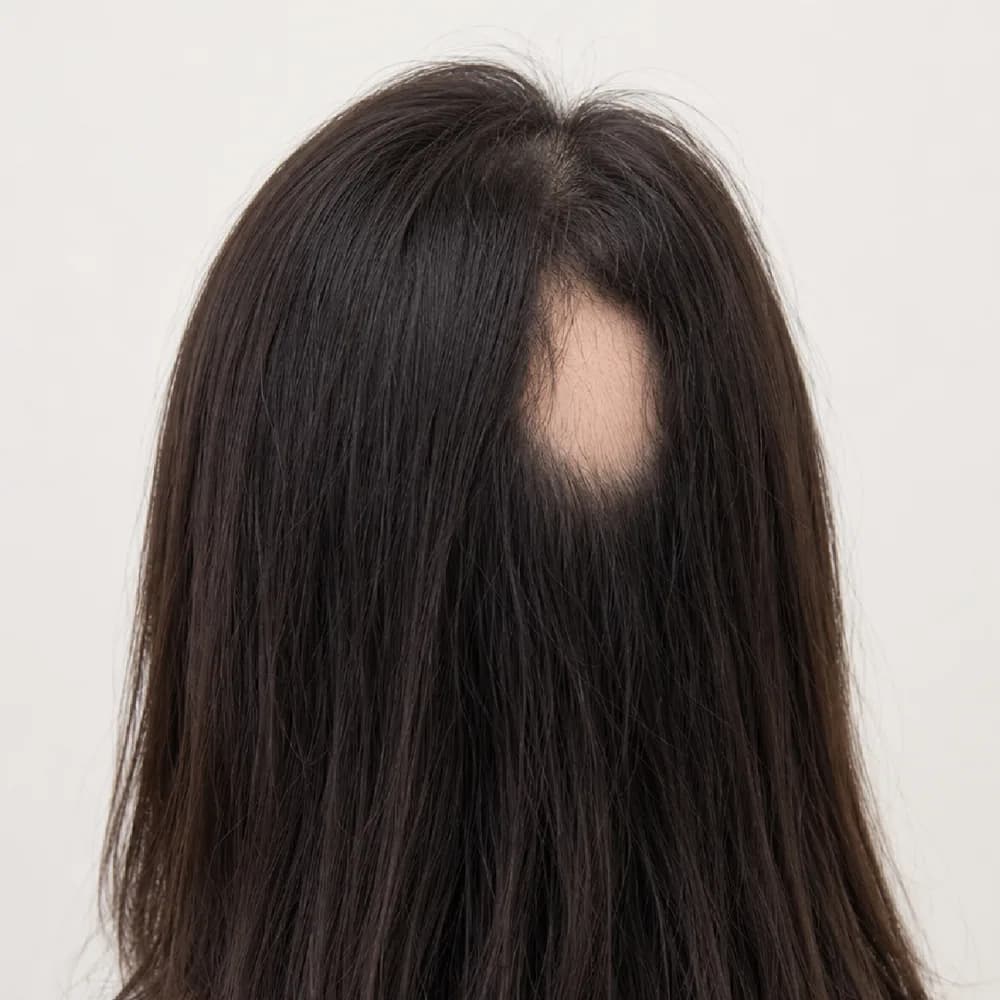
Patchy hair loss associated with an immune-mediated process and requiring medical assessment.
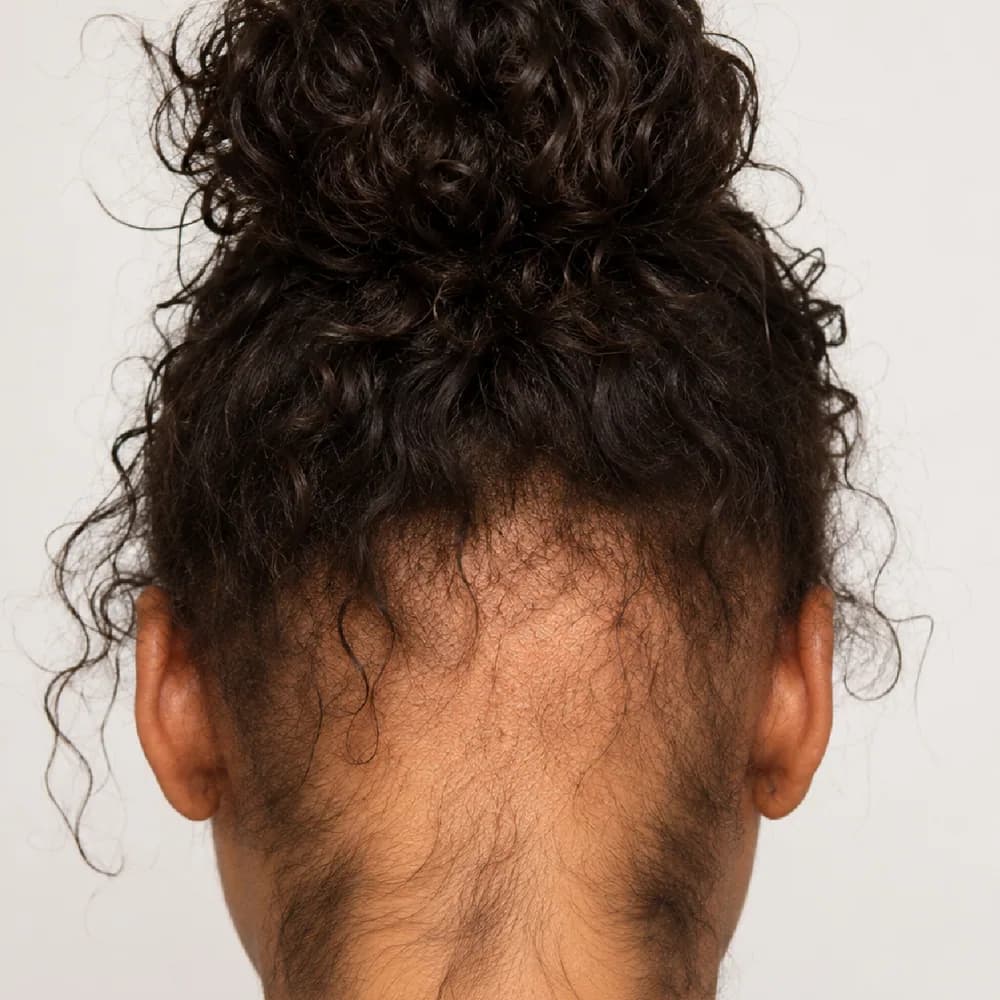
Hair loss caused by repeated tension from hairstyles or styling habits.
A consultation and physical assessment is required to confirm suitability — this page is general education, not a diagnosis.
Treatment selection depends on the type and stage of hair loss, scalp condition, follicle activity, possible underlying triggers and individual response. The current hair-loss treatment options include PRP Hair Treatment, Fotona Hair Growth Laser and Exosome Hair Therapy.
Book Consultation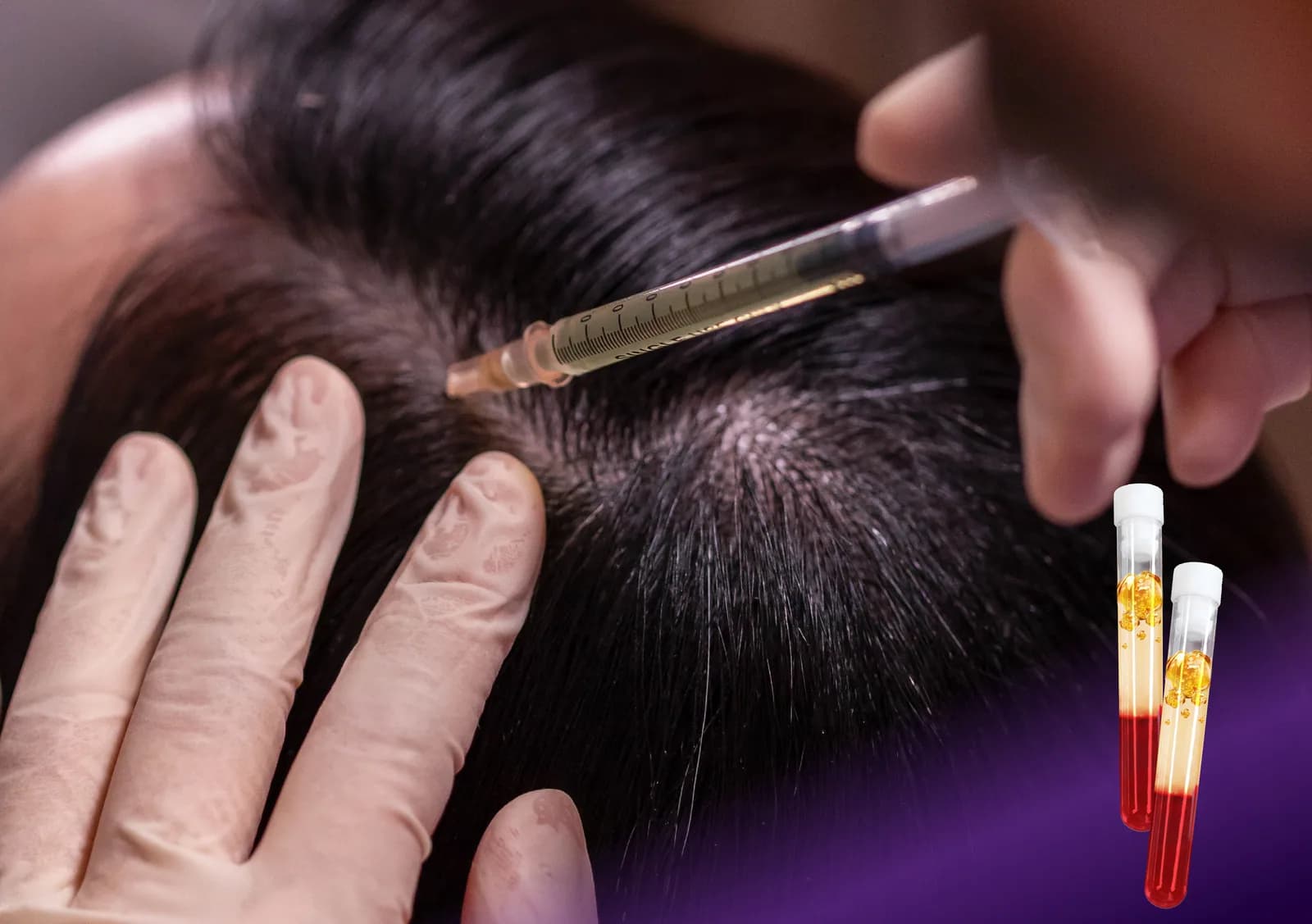 01
01Follicle Stimulation & Regrowth Support
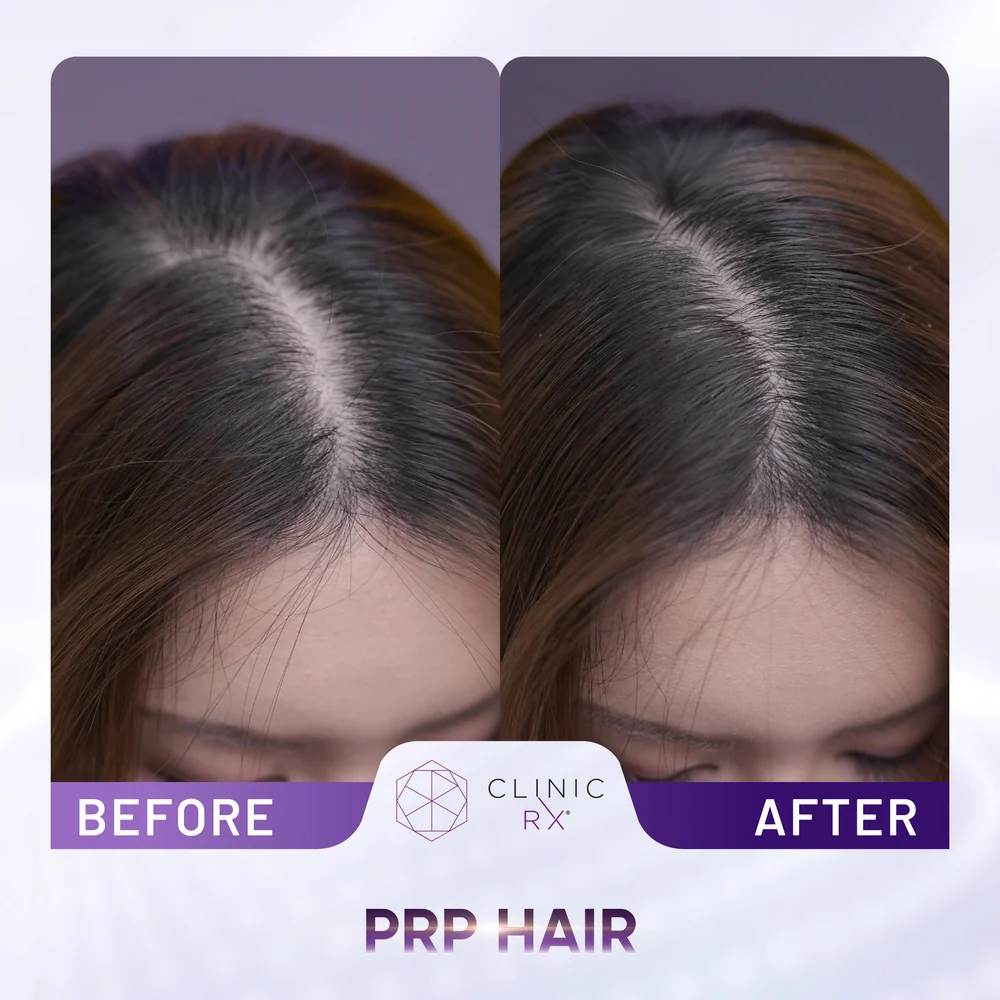
PRP Hair Treatment uses platelet-rich plasma prepared from the patient's own blood and injected into selected areas of the scalp to support follicle activity and hair growth.
 02
02Scalp & Follicle Stimulation
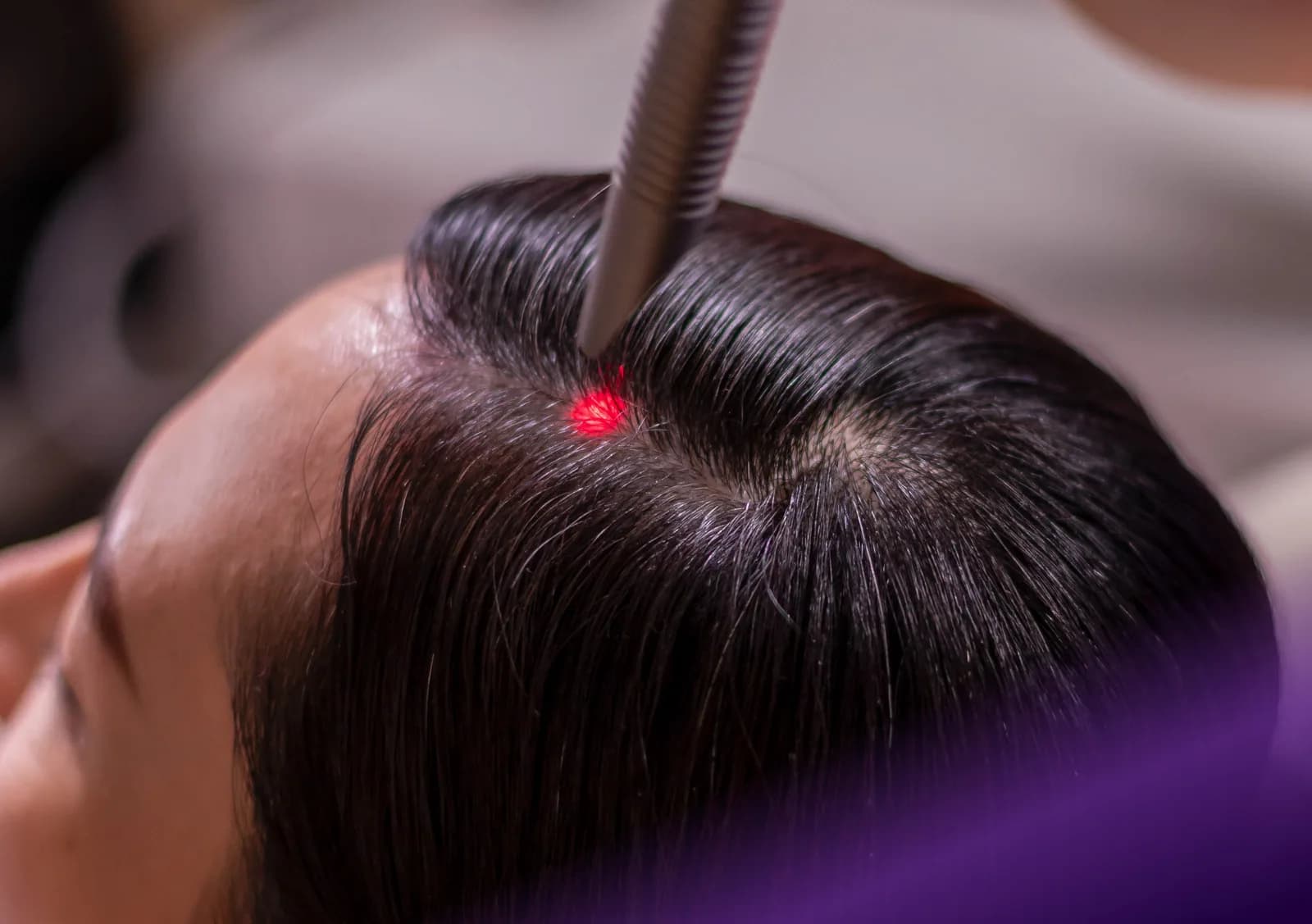
Uses laser energy to support scalp circulation and follicle activity as part of a non-surgical hair-restoration plan.
 03
03Follicle & Scalp Support
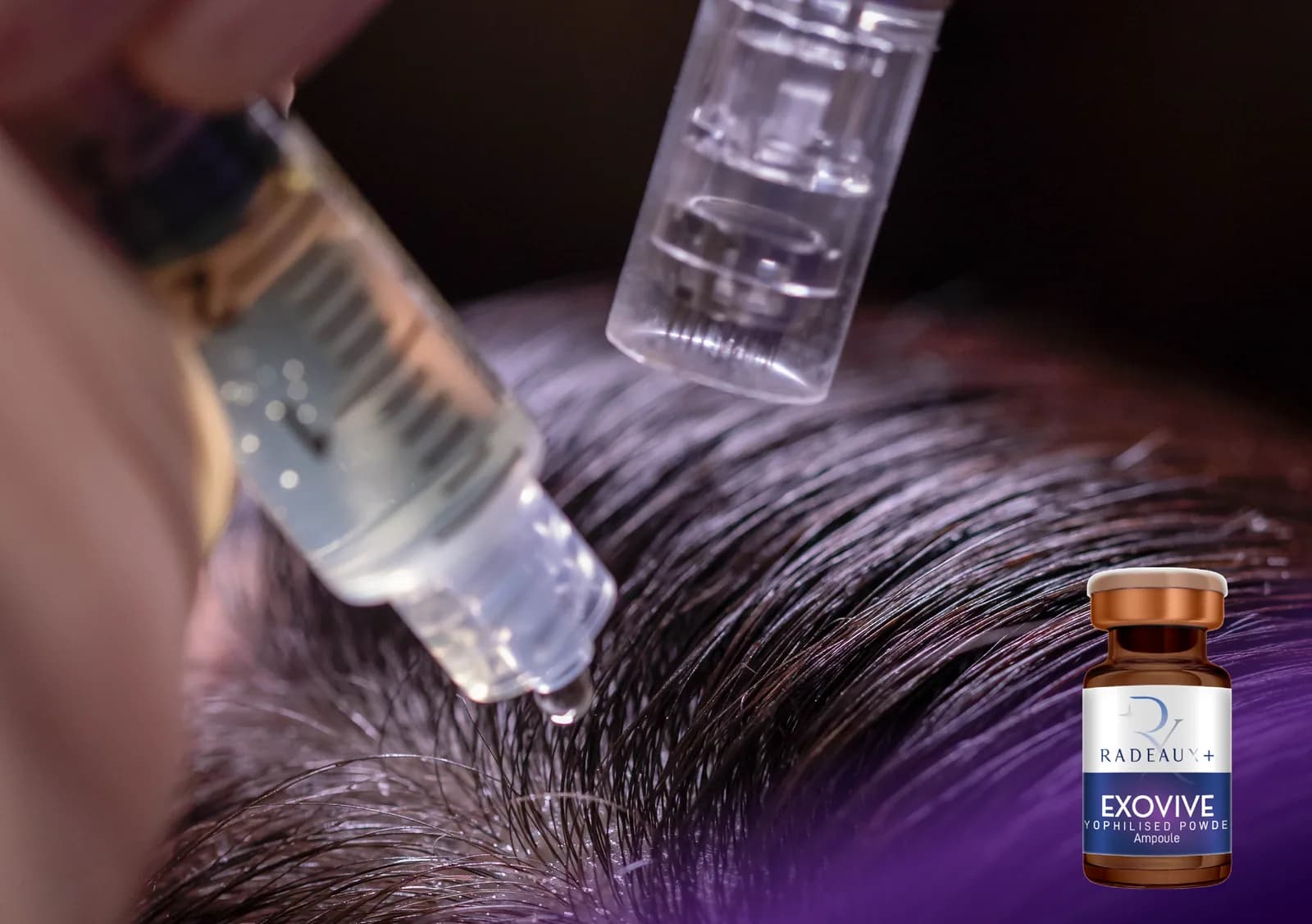
Uses exosome-based regenerative support to enhance scalp recovery and follicle health as part of a hair-regrowth treatment plan.
A Clinic RX doctor can assess your thinning pattern, scalp condition and possible contributing factors and discuss which treatment approach may be suitable.
Hair-loss treatment should be selected according to the underlying pattern and medical history. Not every form of hair loss should be treated in the same way.
This is general information, not medical advice. Treatment-specific risks and suitability will be discussed during consultation before consent is obtained.
Before-and-after references show individual Clinic RX outcomes. Results vary according to starting condition and treatment plan.
Depending on the type of hair loss and treatment selected, suitable patients may experience:
Hair regrowth is gradual because follicles follow a natural growth cycle. Multiple sessions and consistent maintenance may be needed, and results vary according to the cause, stage of hair loss and follicle condition.
Hair loss can be caused by genetics, hormonal changes, stress, illness, nutritional deficiencies, scalp inflammation, postpartum changes and other medical or lifestyle factors.
Common patterns include androgenetic alopecia, telogen effluvium, alopecia areata and traction alopecia. They have different causes and may require different treatment approaches.
Sudden increased shedding can occur with telogen effluvium after physical or emotional stress, illness, hormonal changes or other triggers. Persistent or significant shedding should be assessed to identify the possible cause.
Androgenetic alopecia is genetic pattern hair loss. It can cause progressive thinning at the crown, hairline or top of the scalp and can affect both men and women.
Telogen effluvium is a form of increased hair shedding that may follow stress, illness, hormonal changes or another physiological trigger. The underlying trigger should be considered when planning treatment.
Progressive thinning at the hairline, temples or crown can be associated with androgenetic alopecia, although other causes are possible. Assessment can help determine the pattern and whether follicles are still responsive.
Yes. Significant physical or emotional stress can contribute to increased shedding in some people, particularly through telogen effluvium. Other causes should also be considered if shedding persists.
There is no single best treatment for every type of hair loss. PRP Hair Treatment, Fotona Hair Growth Laser and Exosome Hair Therapy may support follicle activity and scalp health, but the appropriate option depends on the cause, stage of hair loss and individual assessment.
PRP uses platelet-rich plasma from the patient's own blood to support follicle activity. It may help reduce shedding and improve hair density in suitable patients with responsive follicles, but results vary.
Hair-growth laser treatment is used to support scalp circulation and follicle activity. Hair changes develop gradually because the hair growth cycle takes time.
Exosome Hair Therapy is used to support scalp and follicle health as part of a hair-restoration plan. It should not be described as guaranteed hair regrowth, because response depends on the cause and condition of the follicles.
It depends on why the hair is thinning and whether the follicles remain active. Some forms of shedding can improve when the trigger resolves, while progressive genetic hair loss often requires ongoing management.
Hair growth is slow, so treatment results are not immediate. Changes in shedding or hair quality may appear before visible density improves, and multiple sessions over several months may be required.
The number of sessions depends on the treatment selected, hair-loss pattern, severity, scalp condition and response. Maintenance may also be recommended for progressive hair-loss patterns.
Pricing depends on the treatment selected, number of sessions and individual hair-restoration plan. Final pricing is confirmed after consultation.
If you are unsure whether your hair loss is genetic pattern thinning, telogen effluvium, alopecia areata, traction alopecia or another form of shedding, a Clinic RX doctor can assess the hair-loss pattern and scalp condition and discuss appropriate next steps.
Treatment suitability, expected results, risks, number of sessions and maintenance vary between individuals. Sudden, patchy or medically related hair loss may require further investigation of the underlying cause.