Clinic RX Bukit Jalil
Kuala Lumpur, Malaysia
Mon–Fri, 10am–7pm | Sat, 9am–6pm
SKIN CONDITION
Learn what causes moles, common mole types, which changes should be medically assessed, and how doctor-led mole removal may be performed.

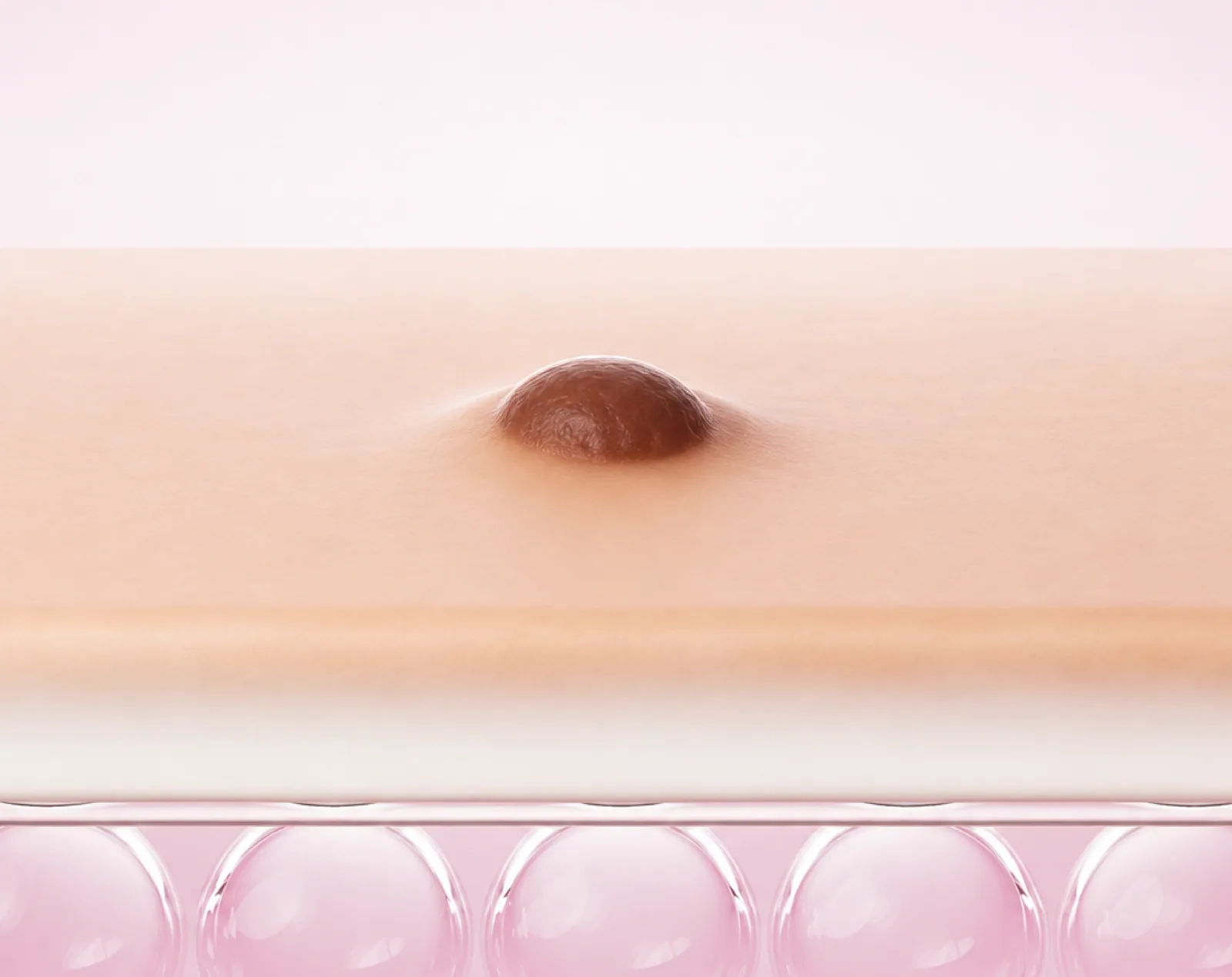
Moles form when pigment-producing cells called melanocytes cluster together in the skin. They may appear as small coloured spots and can be flat or raised.
Most moles are benign, but changes in size, shape or colour should be medically assessed before cosmetic removal is considered.
Proper assessment helps determine whether a mole is suitable for cosmetic removal, requires monitoring or needs further medical evaluation.

The first step with any mole is assessment, not removal. We look at its appearance, history, size, shape, colour and any recent changes before deciding whether cosmetic removal is appropriate or further evaluation is needed.
Because moles can change over time, periodic monitoring and medical assessment of concerning changes are important.
Clinic RX specifically advises that changes in a mole's size, shape or colour should be medically evaluated before removal.
Level with the skin surface
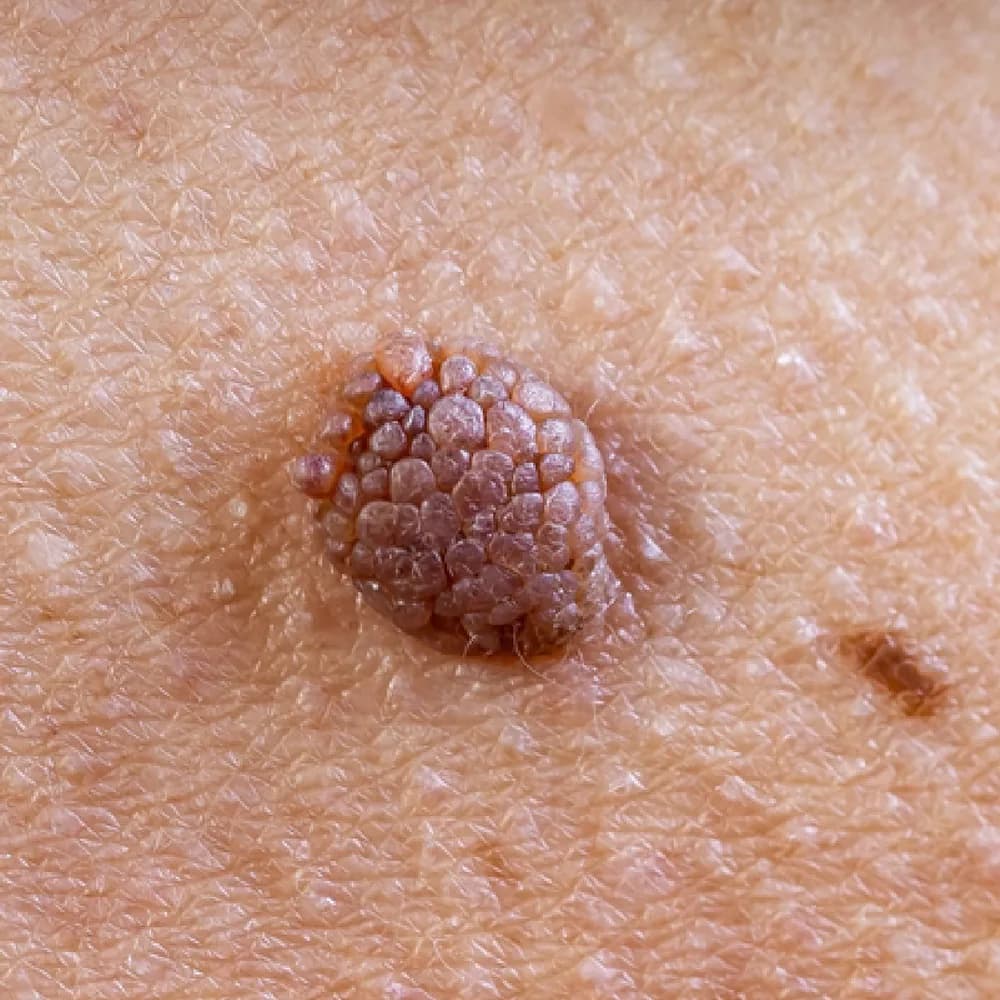
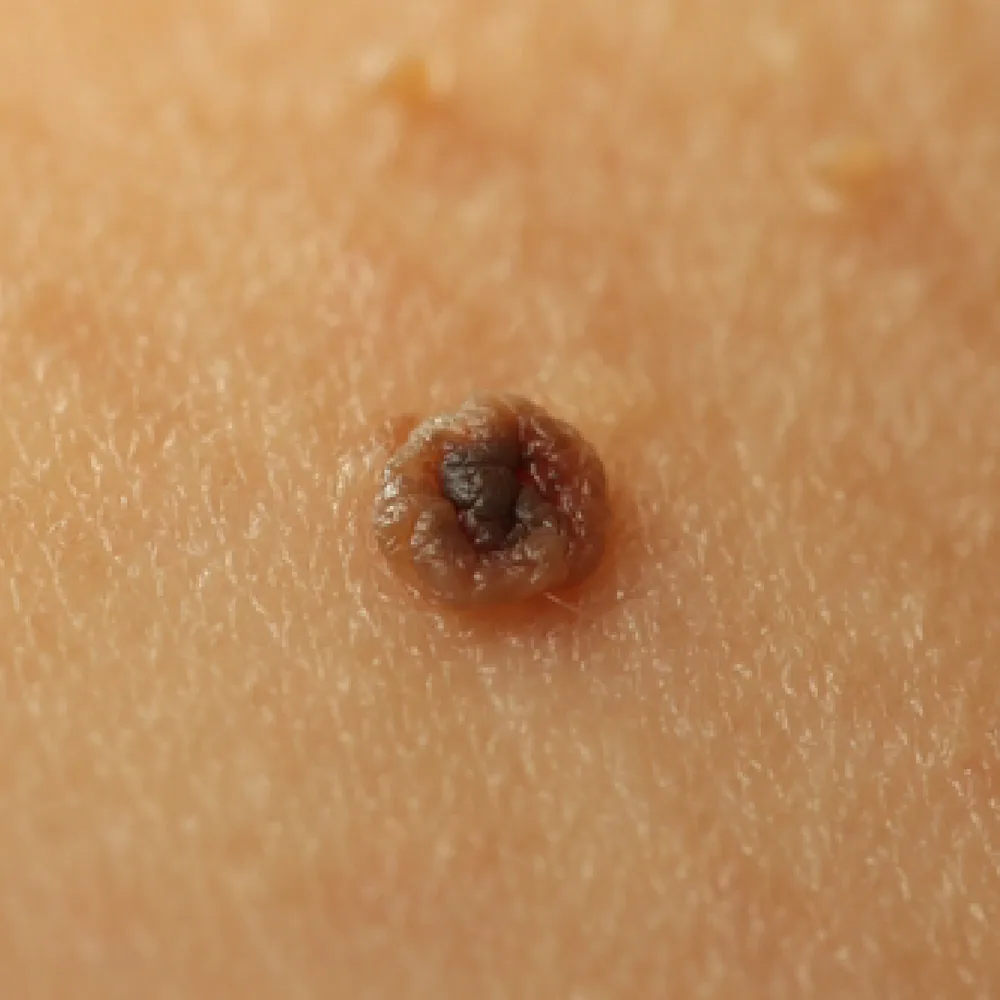
Elevated above the skin and may have texture
Present from birth
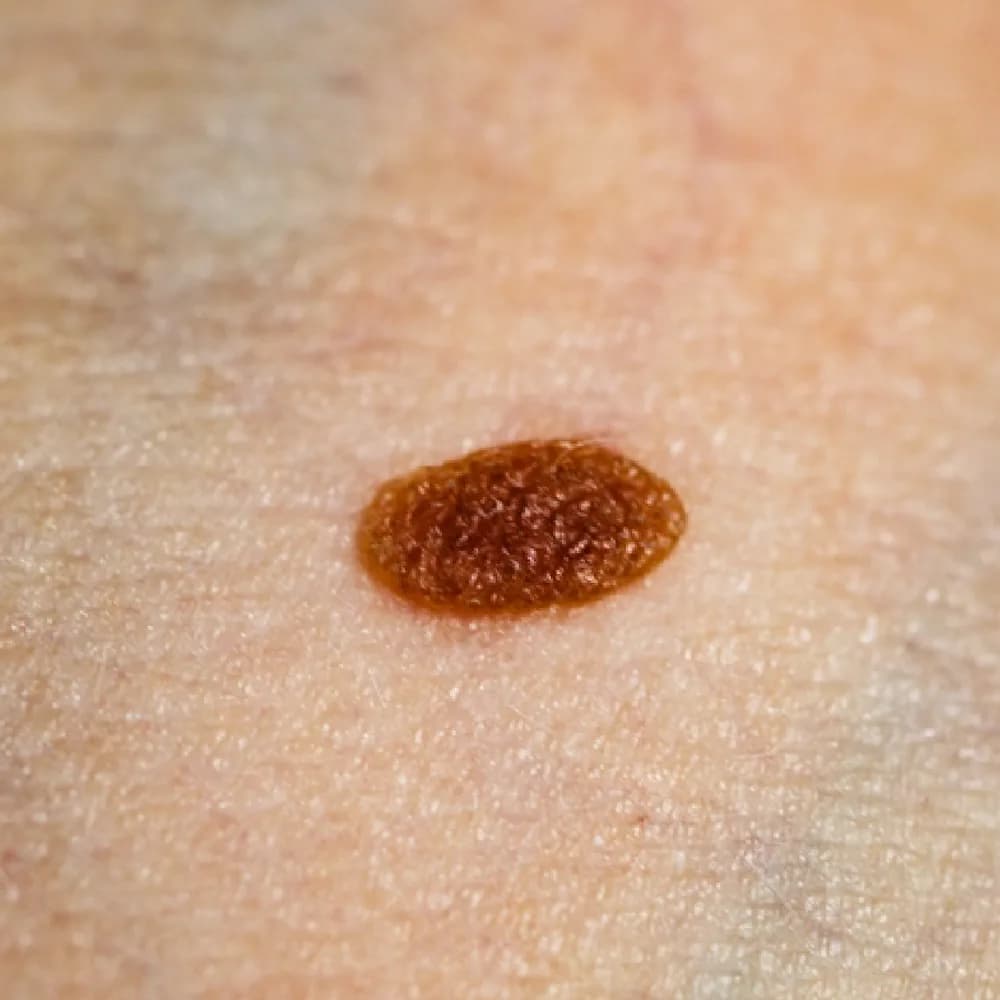
Develop later in life
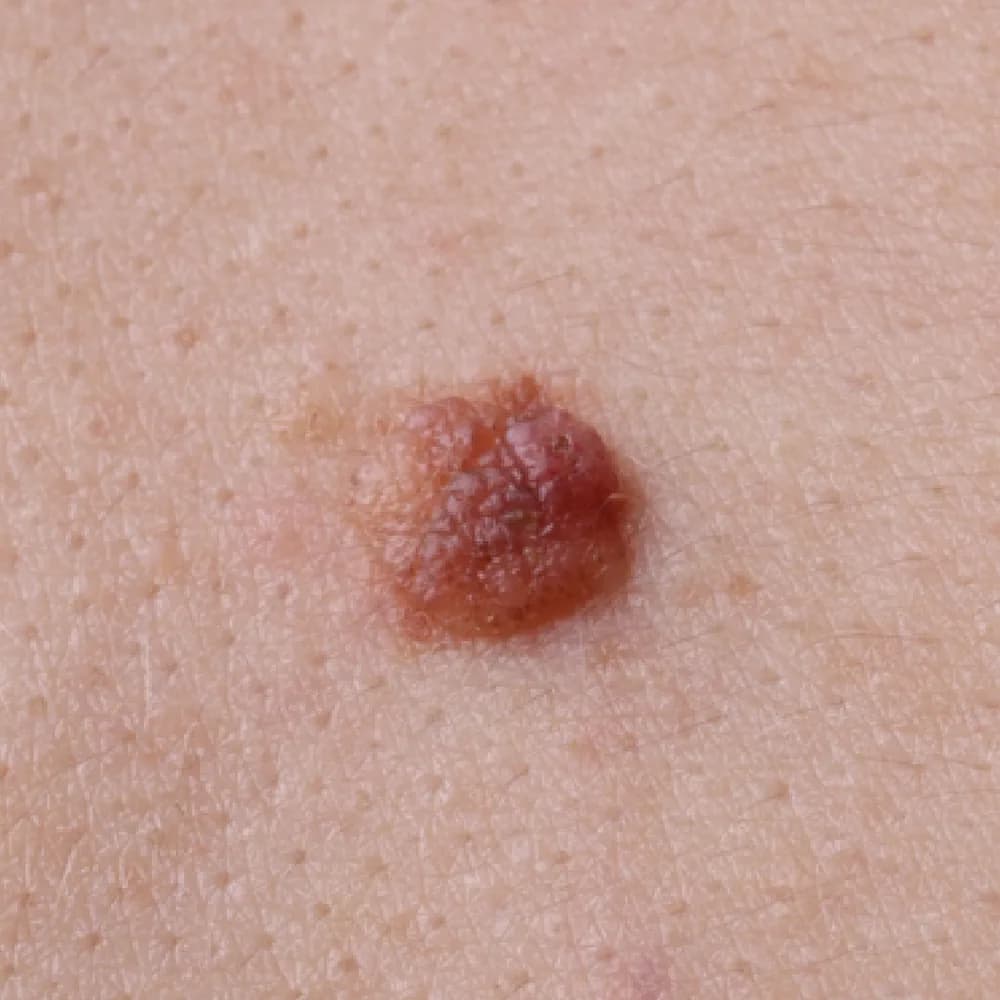
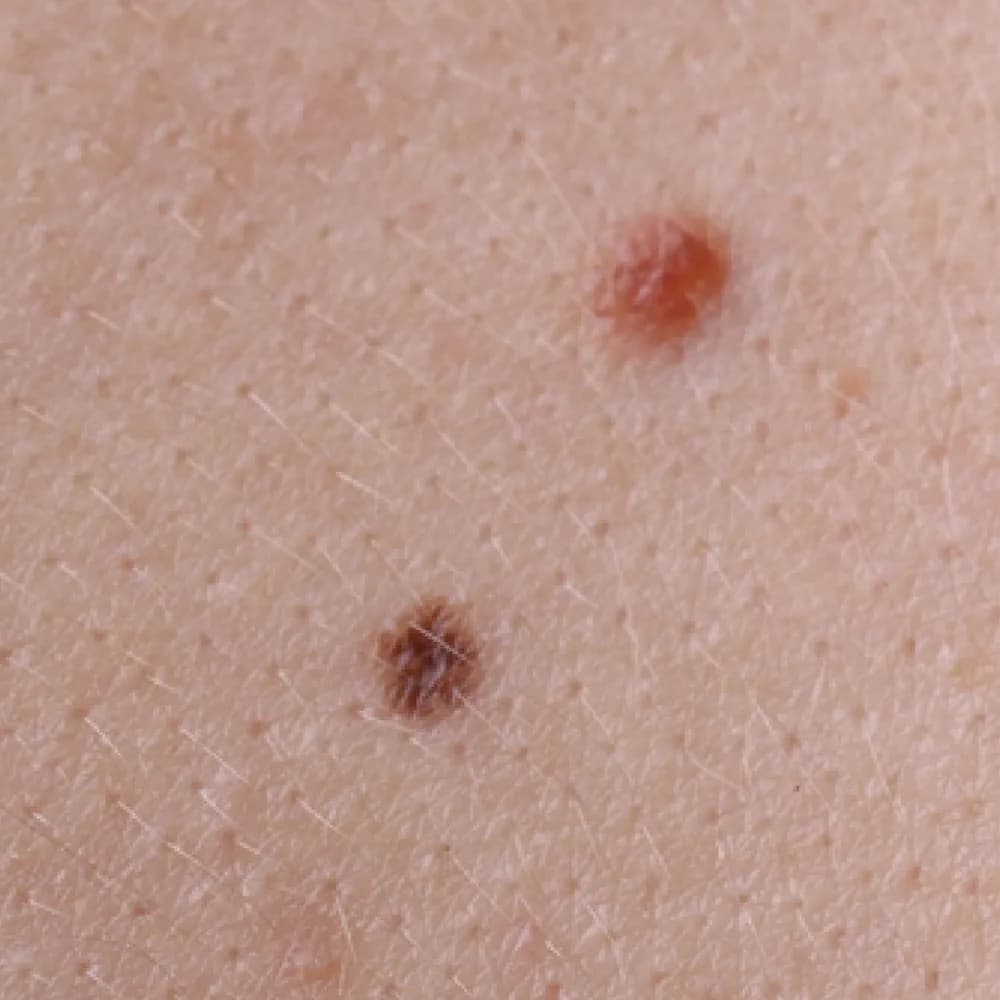
Irregular-looking moles requiring closer medical evaluation
A consultation and physical assessment is required to confirm suitability — this page is general education, not a diagnosis.
The current Clinic RX Mole page lists Milia & Mole Removal as its treatment option. The removal technique is selected after doctor assessment based on the mole's type, size, depth and location.
Book Consultation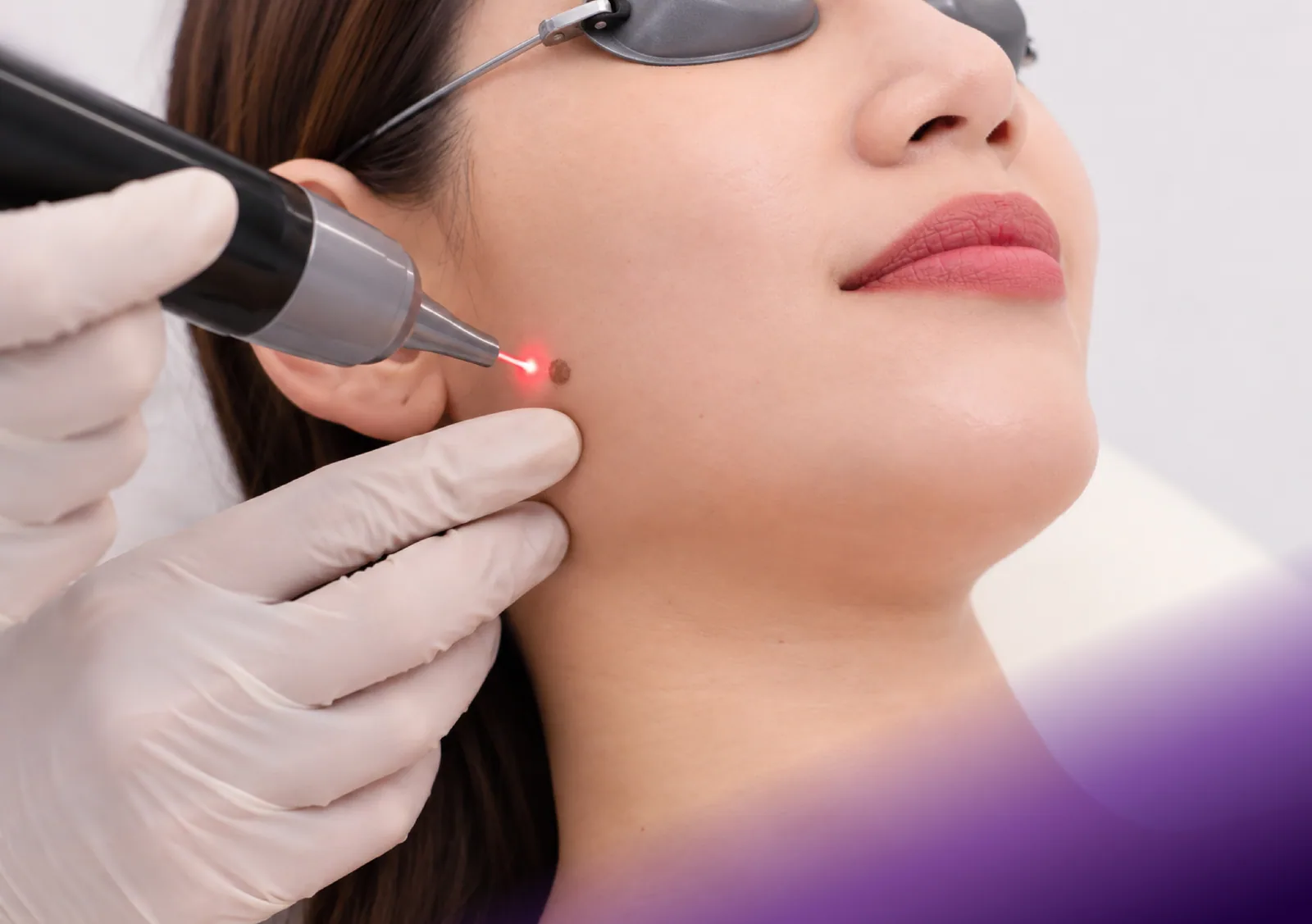 01
01Doctor-Led Mole Removal
Depending on the mole, Clinic RX states that doctors may use precise cautery or radiofrequency for surface-level lesions, laser-assisted removal for selected cases, or minor excision for deeper or larger moles when appropriate.
A Clinic RX doctor can assess the mole first and advise whether cosmetic removal, monitoring or further evaluation is appropriate.
This is general information, not medical advice. A full risk disclosure will be discussed during your in-person consultation before consent is obtained.
Before-and-after references show individual Clinic RX outcomes. Results vary according to starting condition and treatment plan.
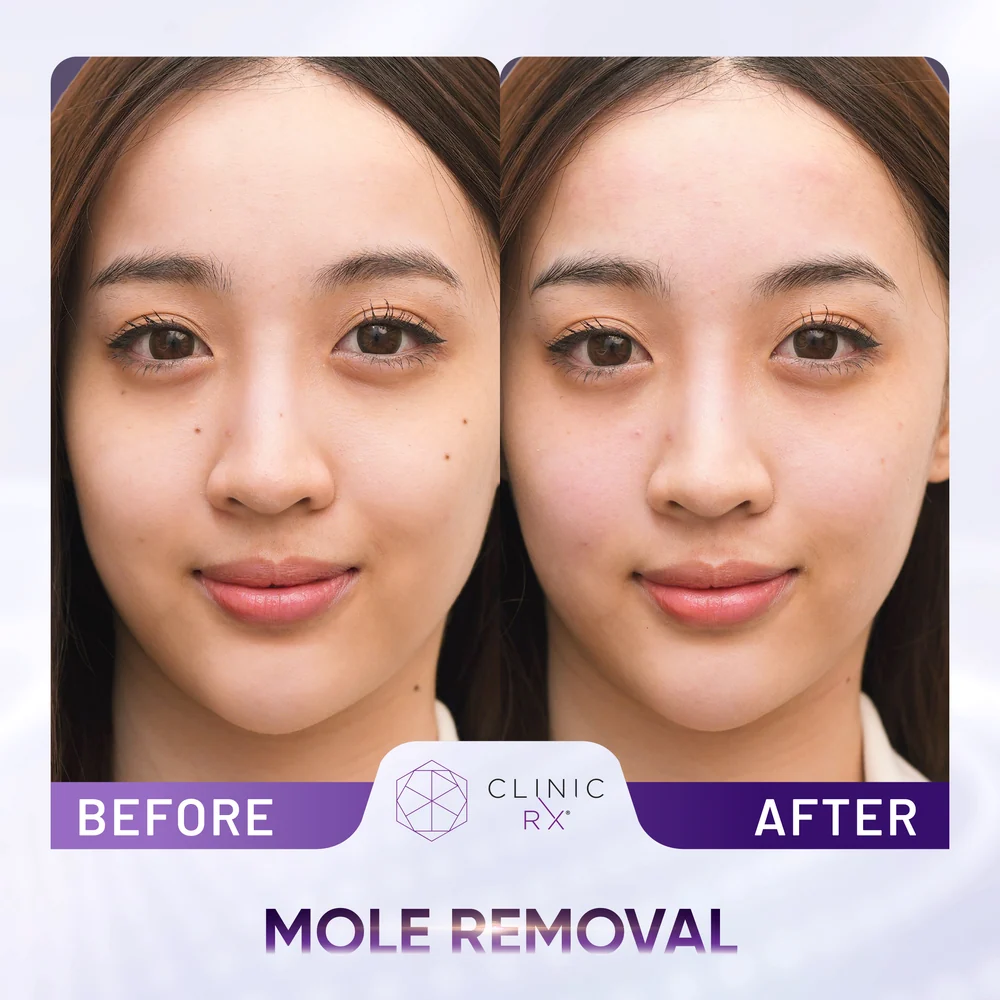
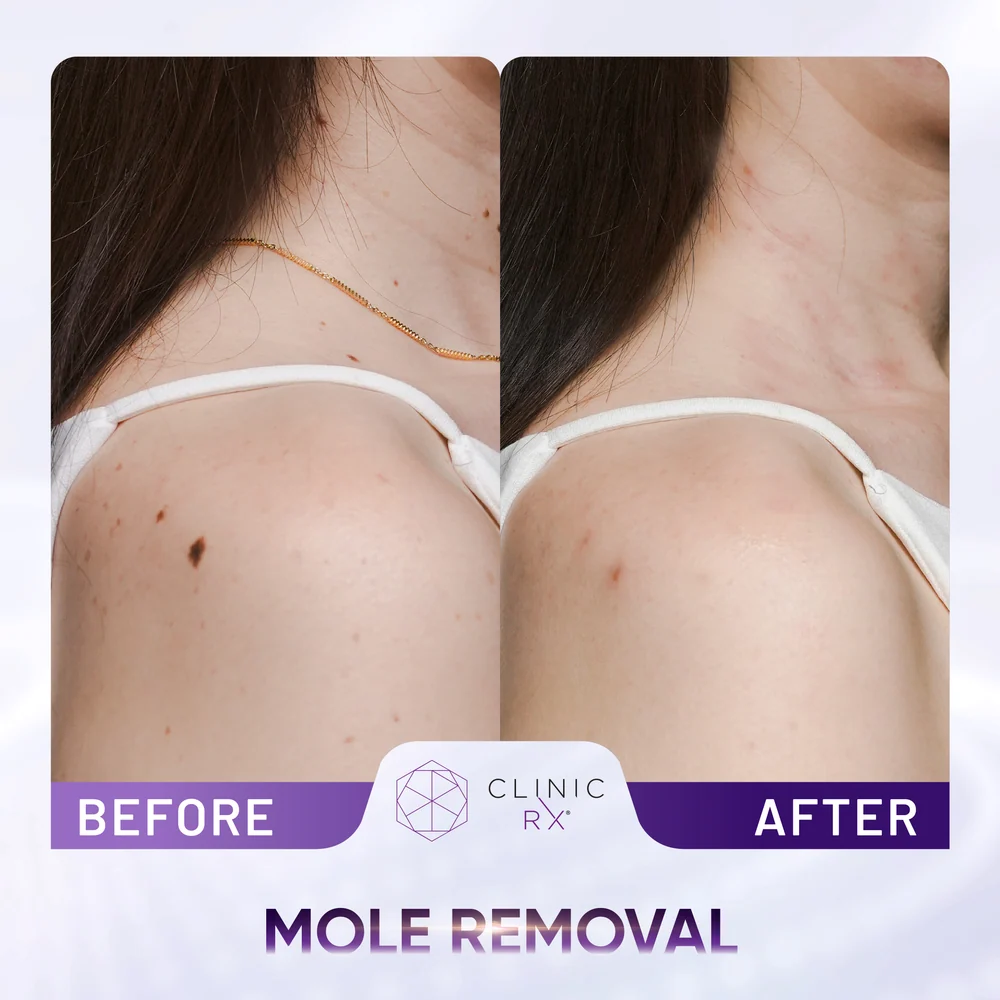
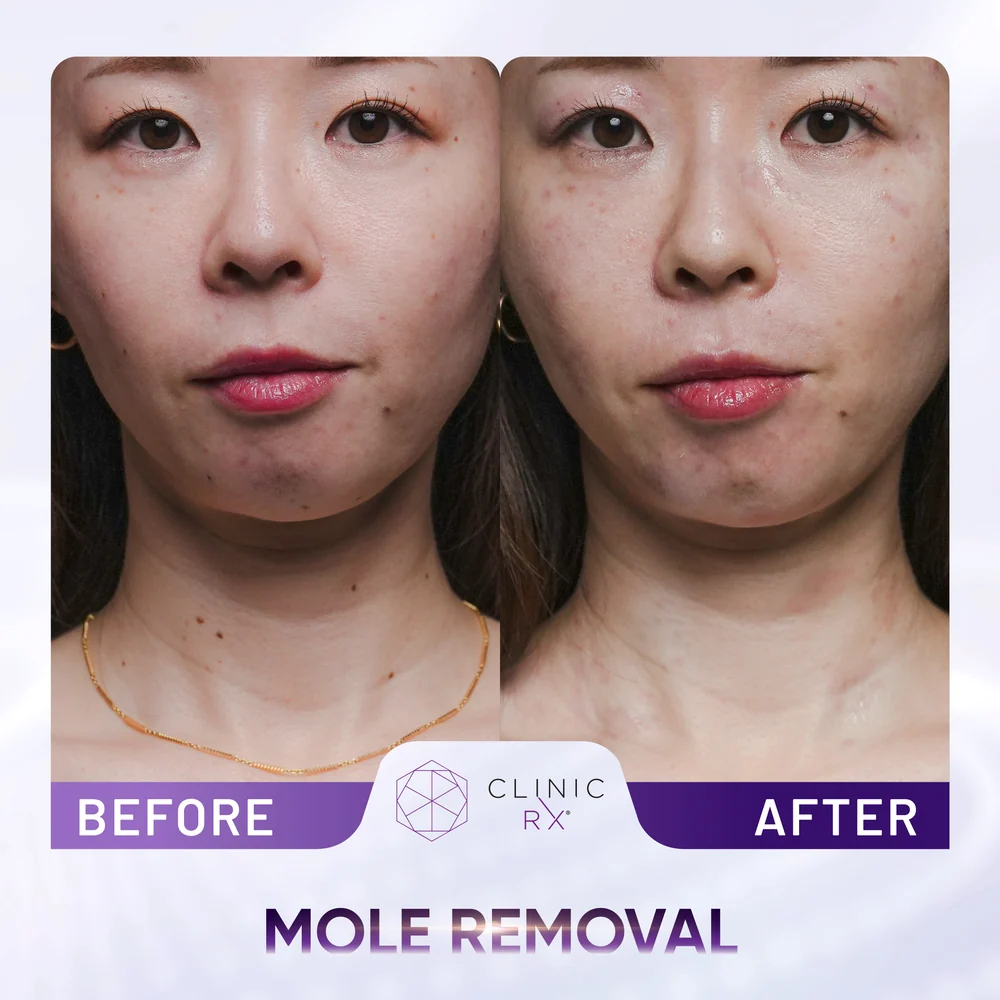
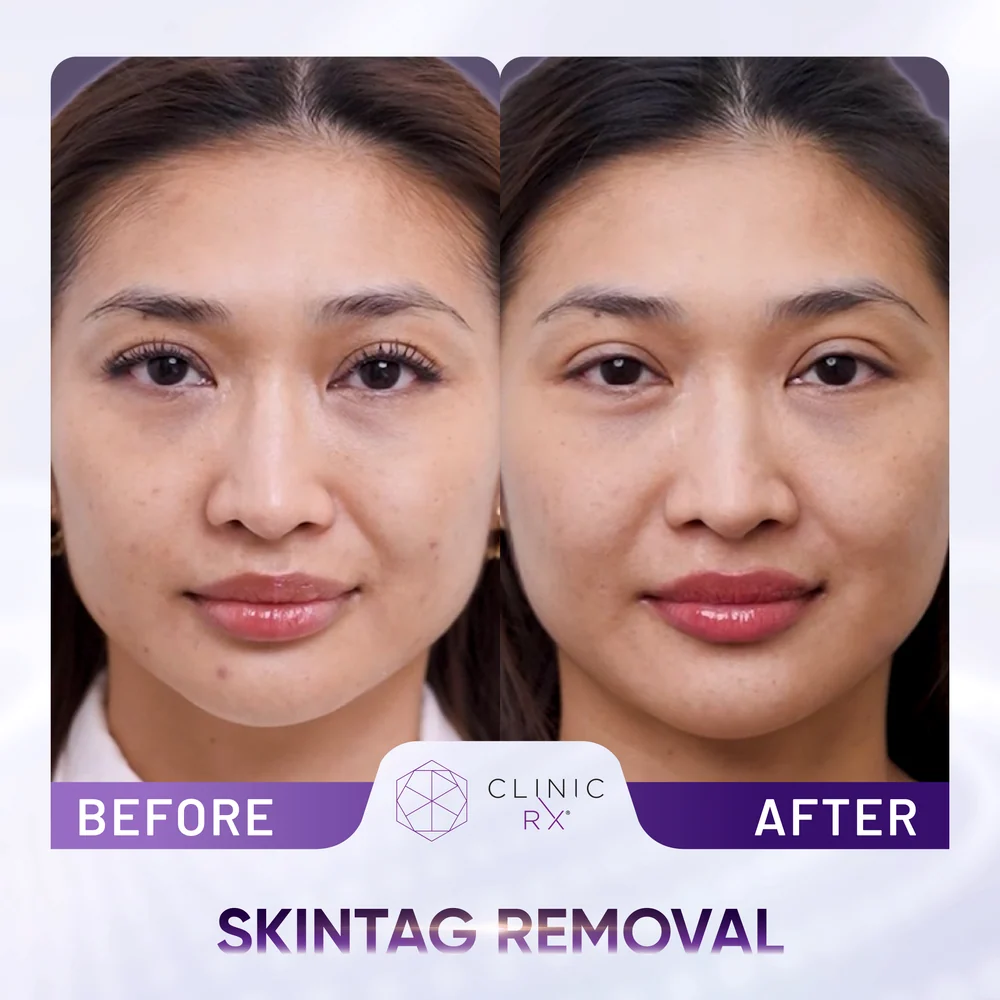
Healing typically takes around 1–2 weeks, although recovery and scarring vary according to the mole and removal method.
Moles form when melanocytes cluster together in the skin. Genetics, sun exposure, hormonal changes, skin type and pigmentation tendency can influence their development.
Most moles are benign. However, a mole that changes in size, shape or colour should be medically assessed.
A mole should be medically assessed if you notice changes in its size, shape or colour, or if it otherwise appears unusual or has changed from its previous appearance.
Yes, some moles can be removed for cosmetic reasons after doctor assessment confirms that removal is appropriate.
Not immediately. Some moles require assessment or monitoring before removal is recommended.
There is no single method for every mole. We may use cautery or radiofrequency, laser-assisted removal, or minor excision depending on the mole's characteristics.
Local numbing is used and discomfort is generally minimal.
Healing typically takes around 1–2 weeks, depending on the mole's size and depth and the removal method used.
Scarring cannot be completely ruled out. Proper technique and aftercare can minimise risk, but outcomes vary by individual and mole type.
Recurrence can depend on the mole's depth and whether all relevant mole tissue was removed. Your doctor can explain the expected outcome for the selected method.
No. We advises against self-removal because proper medical assessment is important before removal.
If you have a mole you would like removed, or are unsure whether a mole is suitable for cosmetic removal, a Clinic RX doctor can assess its appearance, size, depth, location and history before recommending the next step.
Any mole with concerning or recent changes should be medically evaluated. Removal suitability, technique, expected healing, scar risk and aftercare vary between individuals and will be discussed during consultation.