Clinic RX Bukit Jalil
Kuala Lumpur, Malaysia
Mon–Fri, 10am–7pm | Sat, 9am–6pm
BODY CONDITION
Learn what causes cellulite, why dimpling can remain despite diet and exercise, how cellulite grades differ, and which doctor-led treatments may help improve skin texture and firmness.

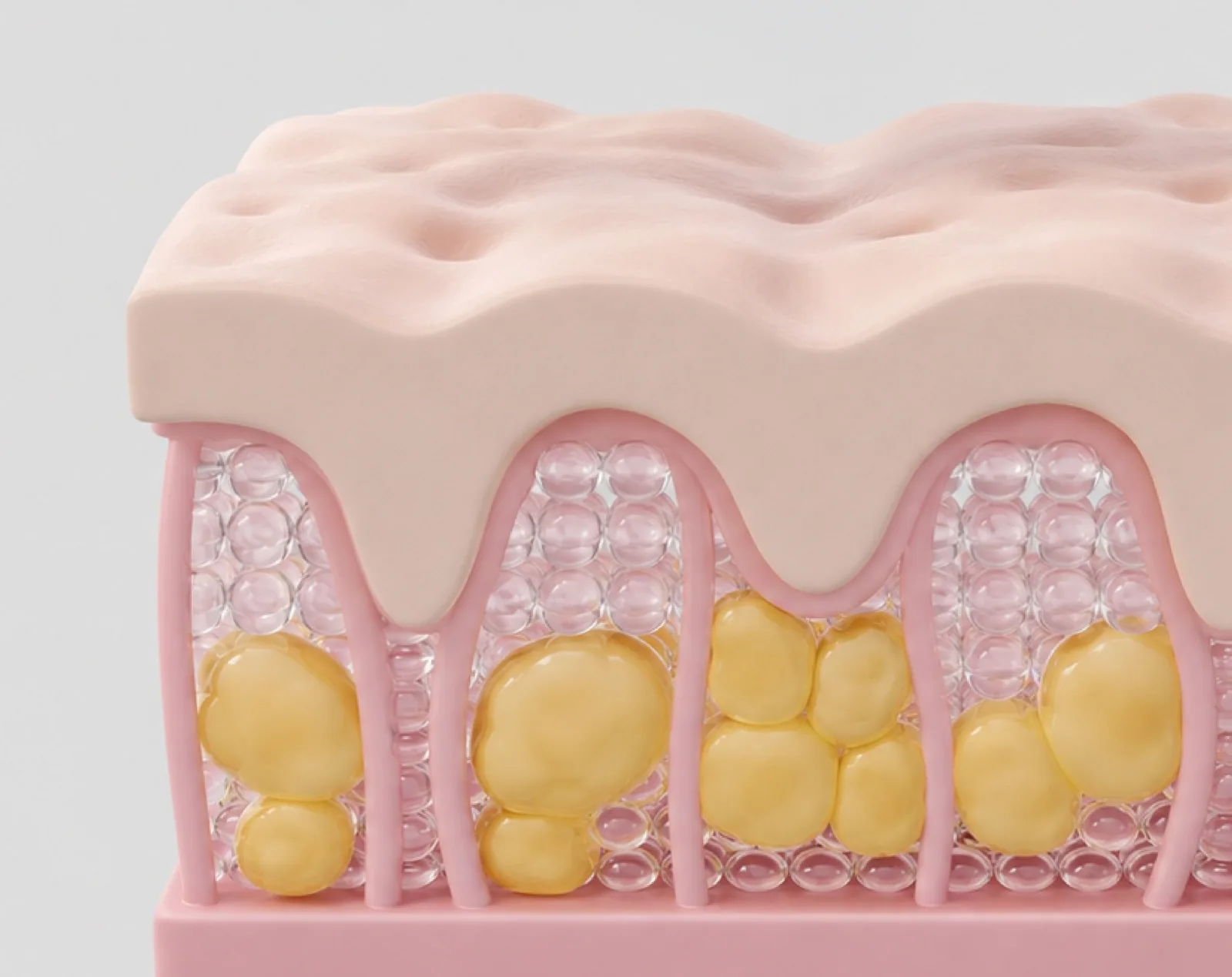
Cellulite is the dimpled or uneven appearance of skin that develops when underlying fat pushes upward while connective tissue bands pull downward beneath the skin.
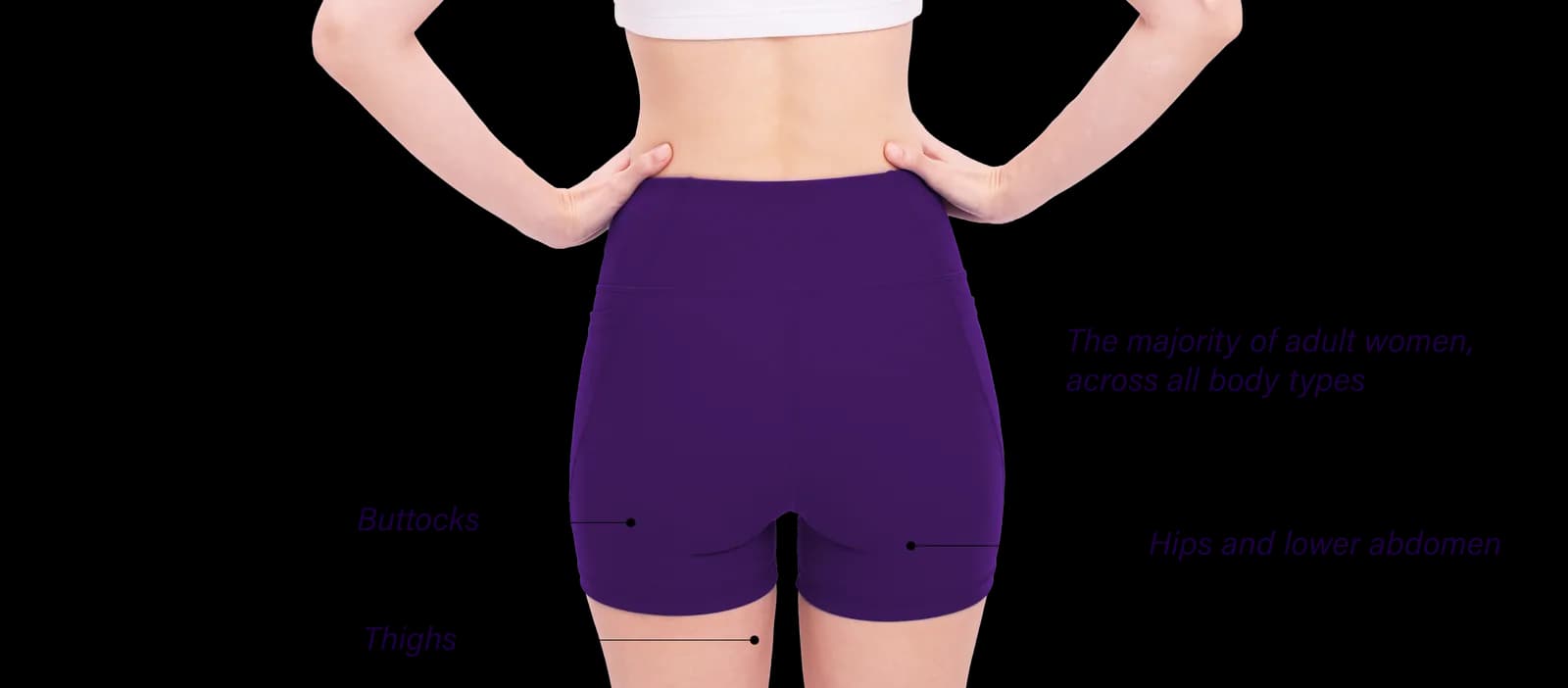
It commonly affects the thighs, buttocks, hips and lower abdomen and can occur across different body types, including people who are slim or physically active.
Cellulite may become more noticeable over time as skin loses collagen and elasticity.
Cellulite is not simply excess fat. We assess the degree of dimpling, skin laxity, tissue quality and fat distribution because reducing fat alone may not fully address the uneven skin texture.
Cellulite is influenced by a combination of factors, including:
Because cellulite is structural and not purely fat-related, diet and exercise alone may have limited effect on the dimpling itself.
A healthy lifestyle remains important for overall body composition, but cellulite can still be present in fit or lean individuals.
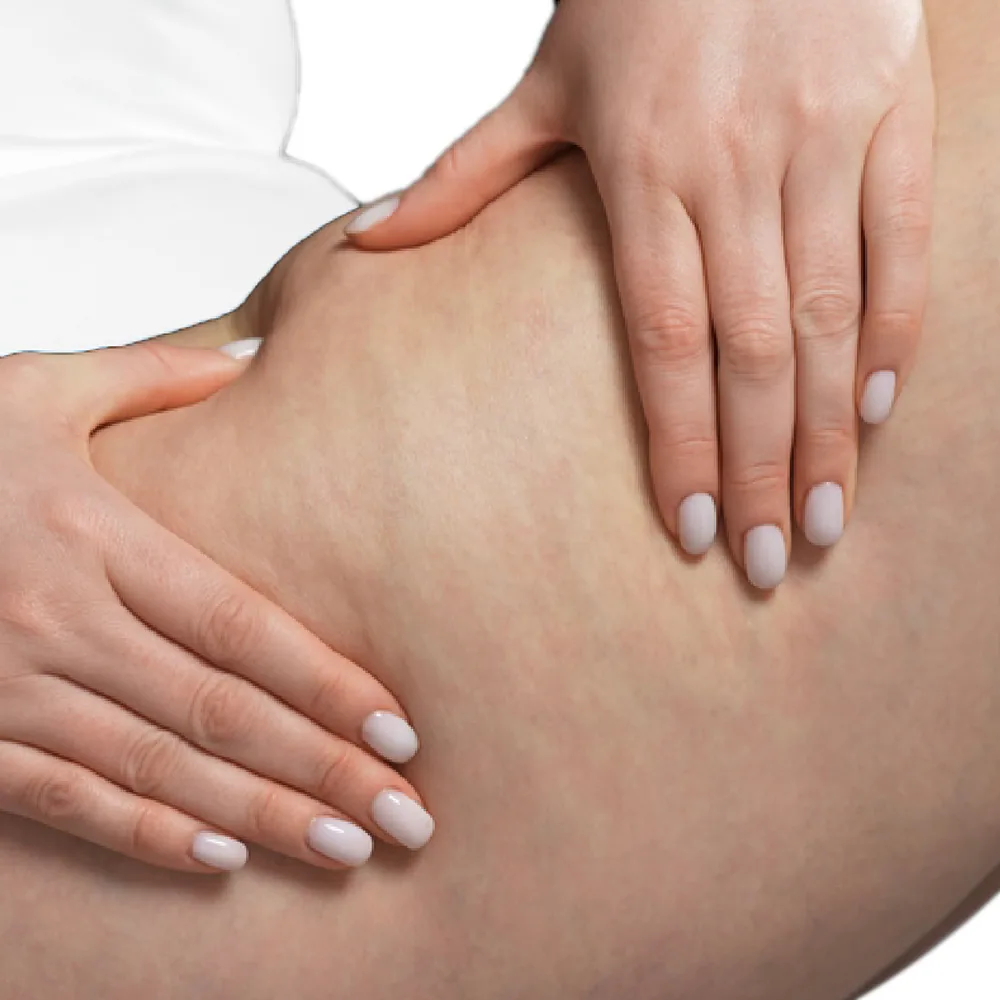
Dimpling is mainly visible when the skin is pinched
Cellulite is visible while standing but less noticeable or absent when lying down
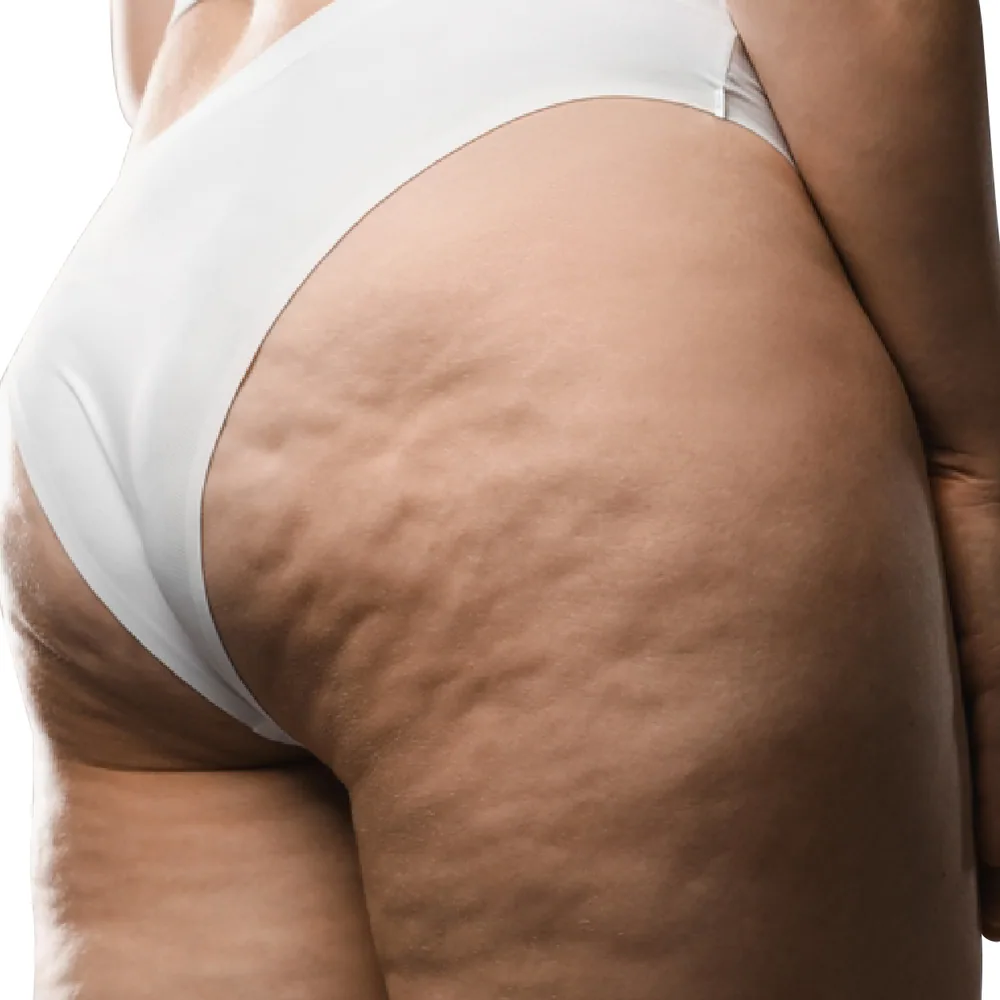
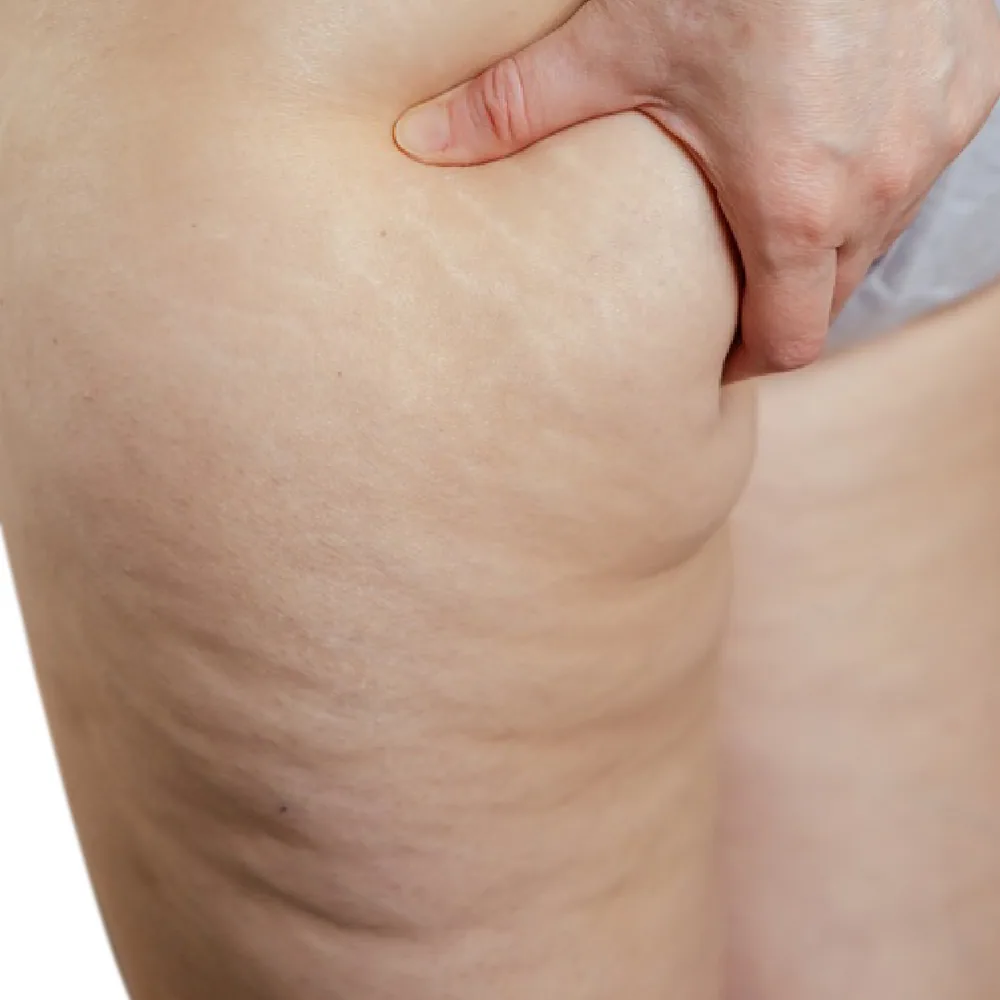
Dimpling is visible while both standing and lying down
A consultation and physical assessment is required to confirm suitability — this page is general education, not a diagnosis.
The current Clinic RX Cellulite page lists Fotona TightSculpting and HIFU Body. Treatment selection depends on cellulite grade, skin laxity, fat distribution, treatment area, suitability and goals.
Book Consultation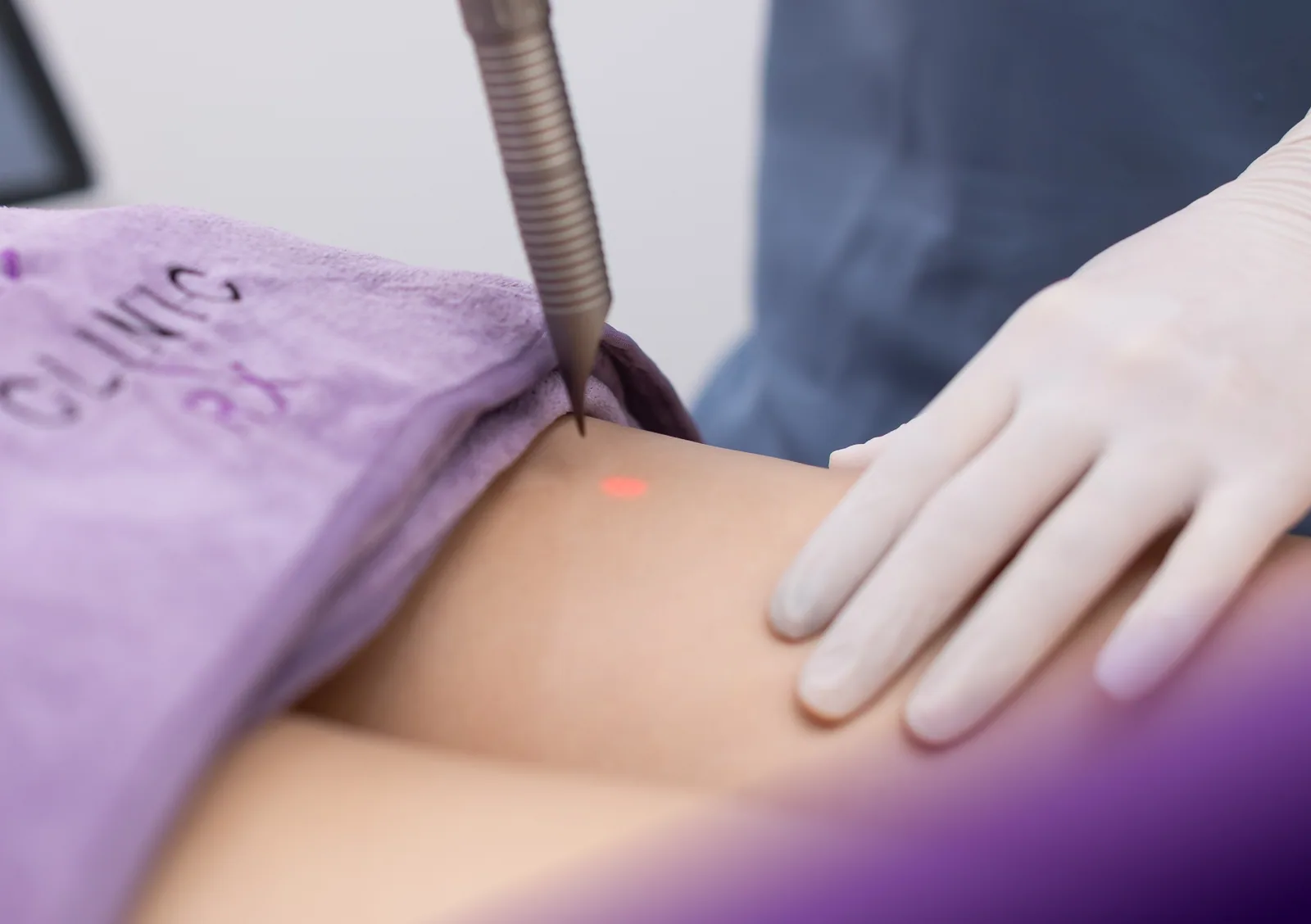 01
01Skin Tightening & Texture
Combines laser-based fat reduction with collagen stimulation and skin tightening to improve body contour, firmness and the appearance of uneven texture.
 02
02Skin Tightening & Texture
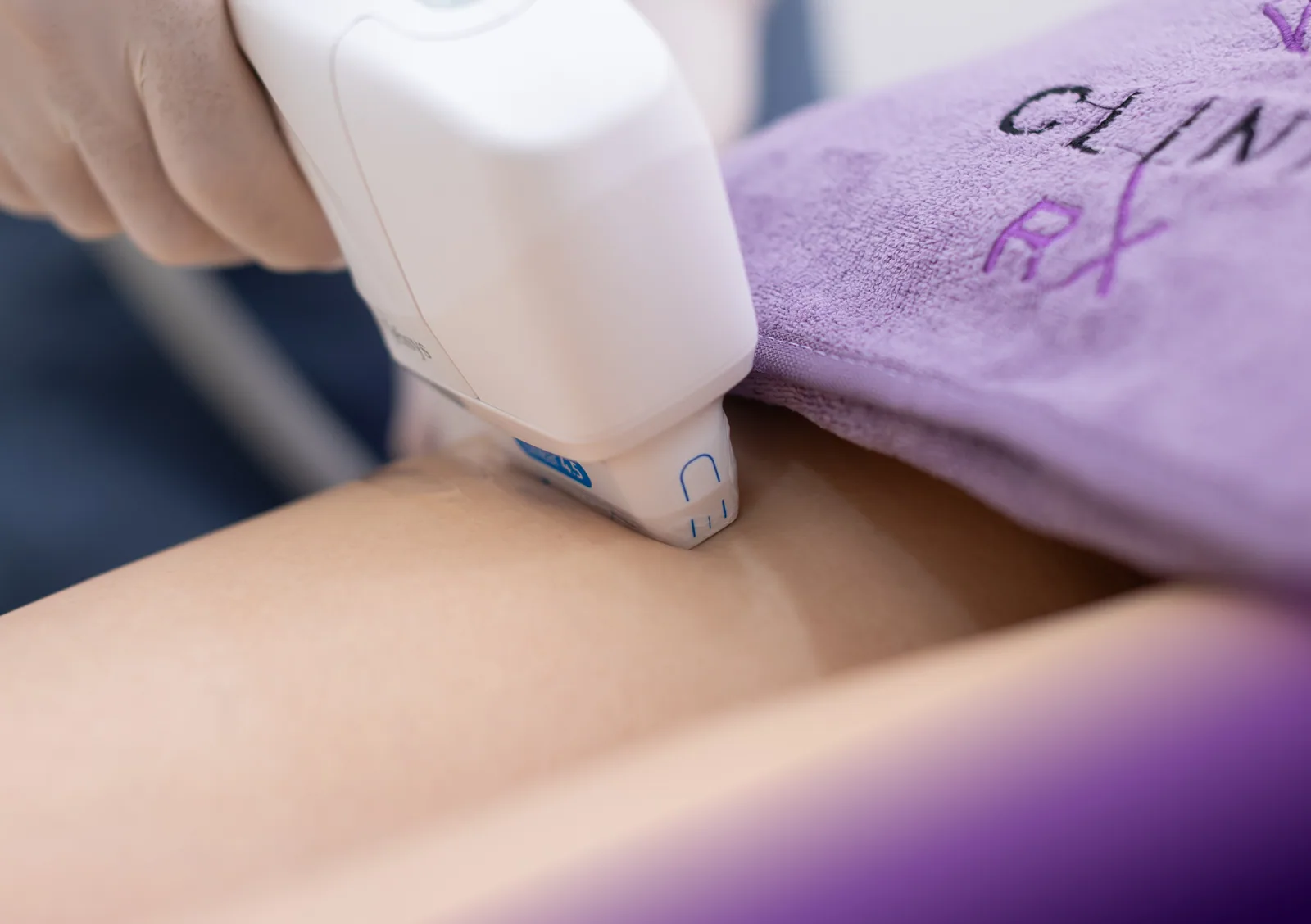
Uses focused ultrasound energy to target deeper tissue and support skin tightening in cellulite-prone body areas where laxity contributes to uneven texture.
A Clinic RX doctor can assess your cellulite grade, skin laxity and treatment area and help you compare suitable options.
All aesthetic treatments carry some risk, and individual response varies. Before treatment, your doctor will review your medical history, treatment area and suitability and explain the risks specific to the recommended option.
This is general information, not medical advice. A full risk disclosure will be provided and discussed during your in-person consultation before consent is obtained.
Depending on the treatment selected, suitable patients may experience:
Cellulite improvement is usually gradual and may require a series of sessions and maintenance depending on the degree of cellulite and individual response.
Cellulite develops when underlying fat, connective tissue bands and the skin interact to create a dimpled surface. Genetics, hormones, fat distribution, skin laxity and age can all influence how visible it becomes.
No. Cellulite can occur at many body weights and is common even in slim or physically active people. Body fat can influence its appearance, but cellulite is not simply a weight problem.
Exercise can improve body composition and muscle tone, but it does not directly change the connective tissue bands that contribute to cellulite. Genetics and skin laxity can also play a role.
Weight loss may change how cellulite looks in some people, but it does not necessarily remove the underlying structural dimpling. In some cases, skin laxity after weight loss may also affect its appearance.
Grade 1 is visible mainly when the skin is pinched, Grade 2 is visible while standing but not lying down, and Grade 3 is visible in both positions with more pronounced dimpling.
Yes. Fotona TightSculpting and HIFU Body as non-surgical treatment options used to improve skin tightening, texture and body contour in suitable patients.
There is no single best treatment for everyone. The appropriate option depends on cellulite grade, skin laxity, fat distribution, treatment area and individual goals.
Fotona TightSculpting combines fat reduction with collagen stimulation and skin tightening where improving skin texture, firmness and body contour is appropriate.
HIFU Body may help when skin laxity contributes to the uneven appearance by stimulating deeper tissue tightening and collagen remodelling. It does not directly change every cause of cellulite.
Cellulite is influenced by underlying anatomy, genetics and ageing, so permanent complete removal cannot be guaranteed. Treatment generally aims to reduce its appearance and improve skin texture.
The number of sessions depends on cellulite grade, treatment selected, treatment area and individual response. A doctor can recommend a treatment course after assessment.
If you are unsure about your cellulite grade or whether skin laxity, fat distribution or tissue structure is contributing most to the dimpling, a Clinic RX doctor can assess the area and discuss which treatment options may be suitable for your concern and goals.
Treatment suitability, expected results, risks, number of sessions and maintenance vary between individuals and will be discussed during consultation.