Clinic RX Bukit Jalil
Kuala Lumpur, Malaysia
Mon–Fri, 10am–7pm | Sat, 9am–6pm
SKIN CONDITION
Learn what causes pigmentation, how freckles, melasma, post-inflammatory hyperpigmentation and sun spots differ, and which treatments may help improve uneven skin tone.
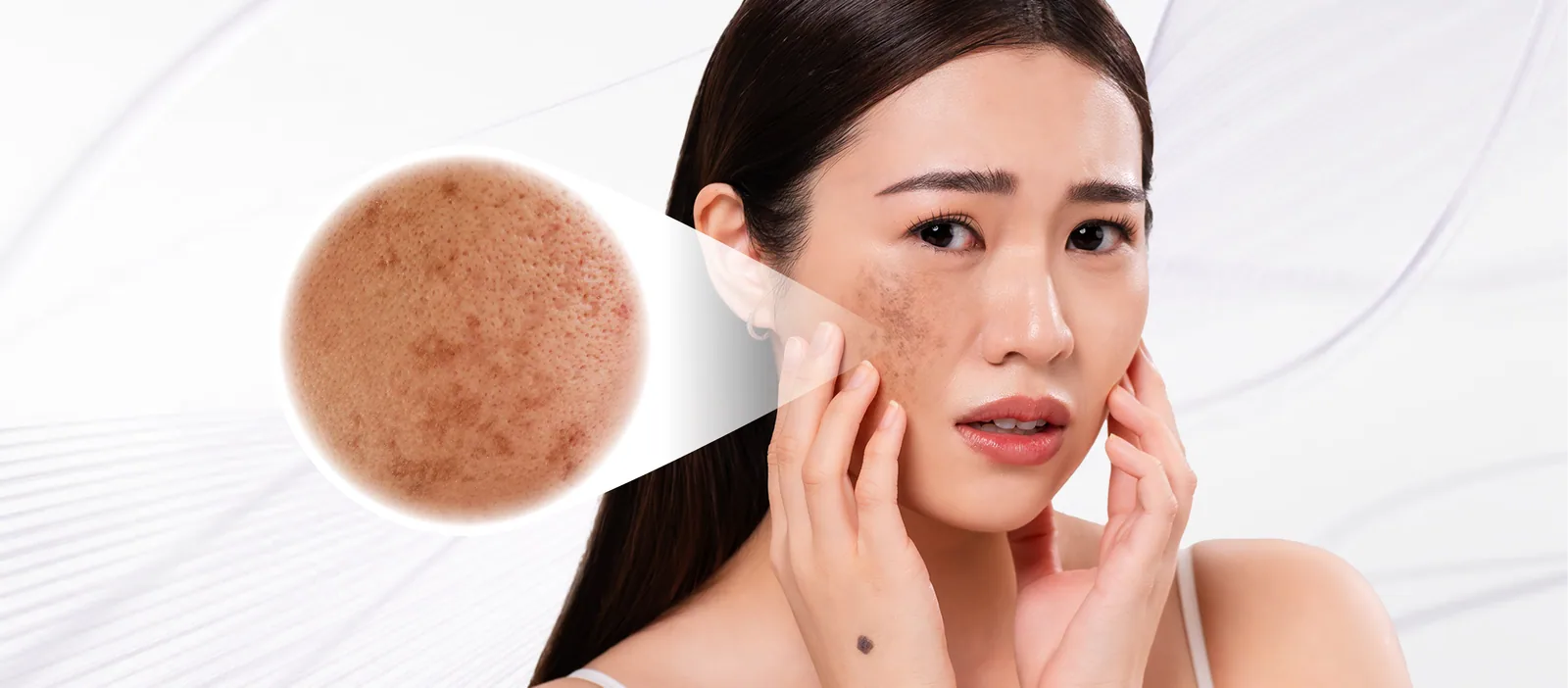
Skin pigmentation refers to areas of skin that appear darker or uneven because of increased melanin or changes in how pigment is distributed in the skin.
Pigmentation can sit at different skin depths and may be influenced by sun exposure, inflammation, hormones and genetics. Identifying the pigmentation pattern is important because different types can respond differently to treatment.
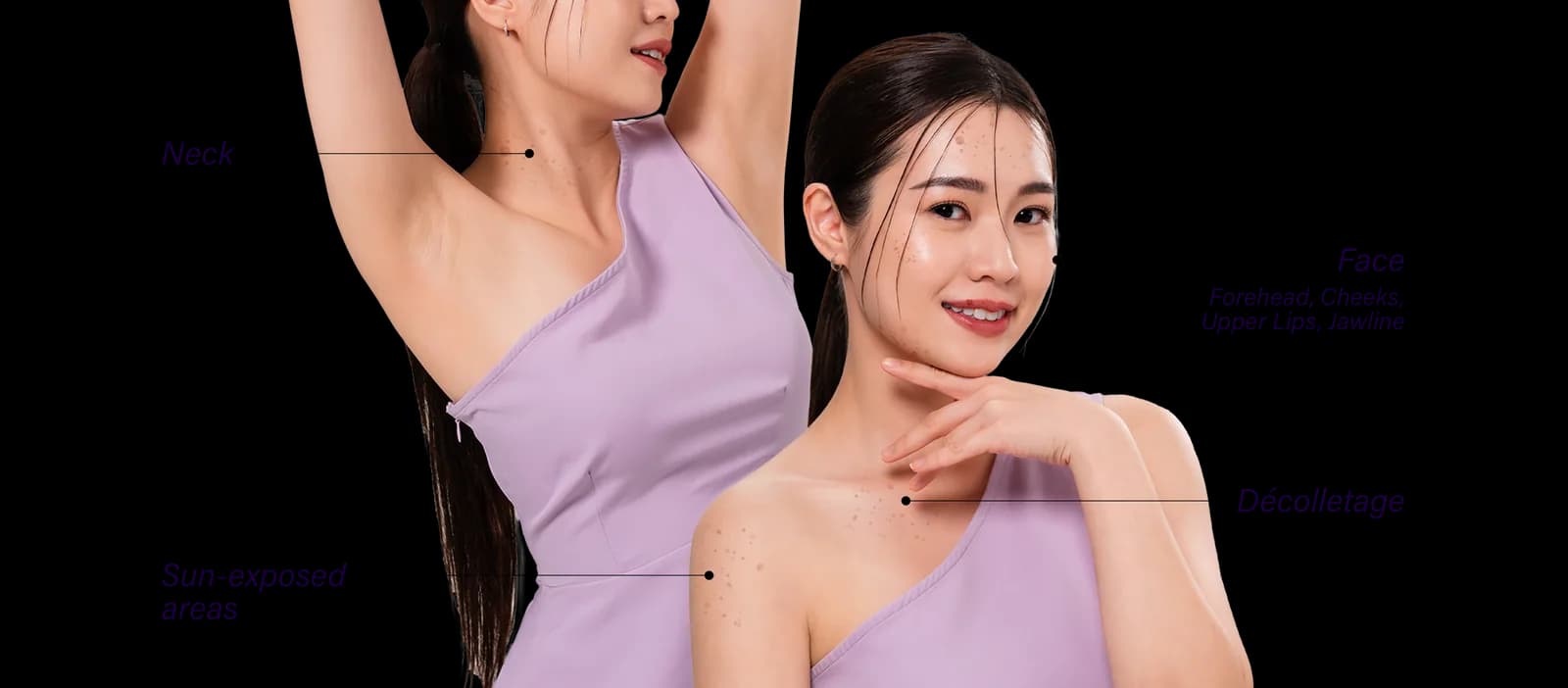
Pigmentation is not one single condition. Freckles, melasma, post-inflammatory pigmentation and sun spots behave differently, so we first assess the pattern and likely depth before deciding how aggressively the skin should be treated.
Pigmentation may be influenced by:
More than one factor may contribute at the same time, which is why pigmentation can recur even after it has improved.
Sun protection and appropriate homecare are therefore important parts of long-term pigmentation management.
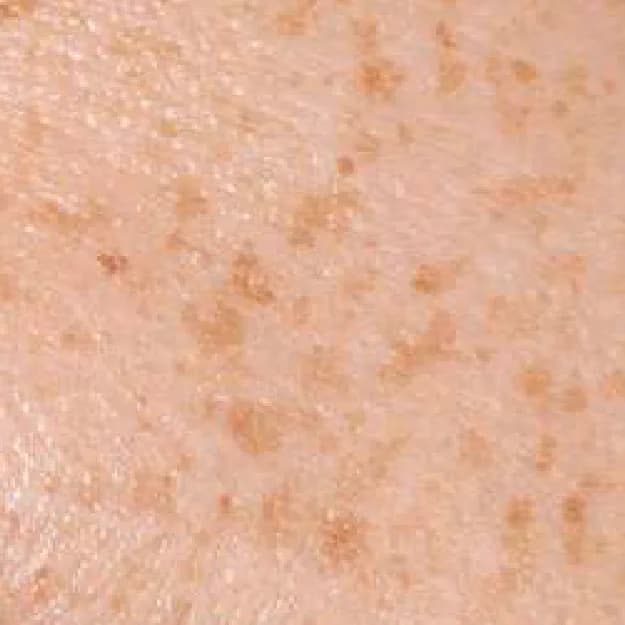
Small, flat brown spots often influenced by sun exposure and genetics.
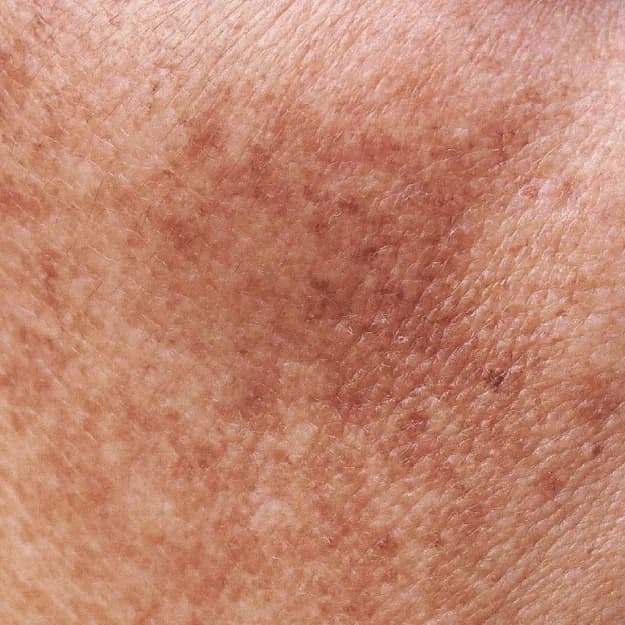
Patchy pigmentation commonly influenced by hormones and sun exposure.
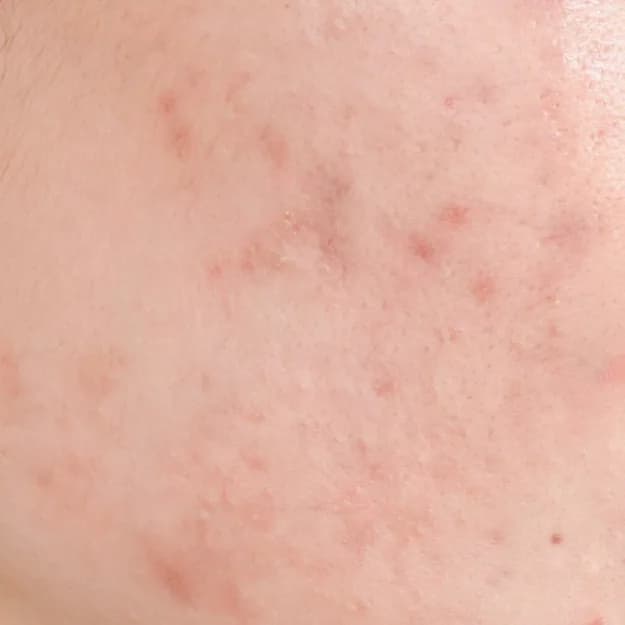
Flat dark marks that remain after acne, inflammation or skin injury.
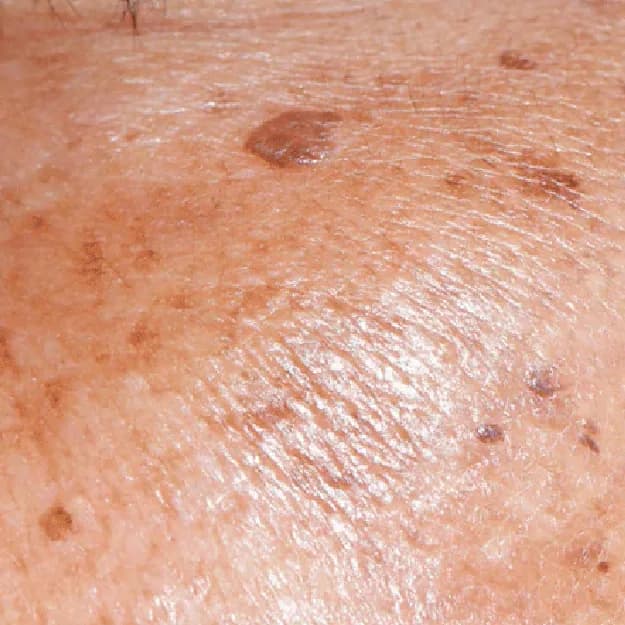
Localised dark spots associated with cumulative sun exposure and ageing.
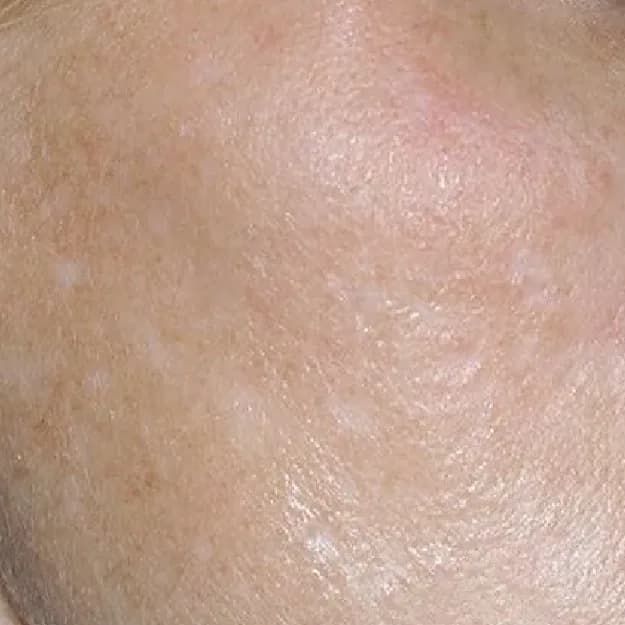
Irregular pigmentation that makes the overall complexion appear inconsistent.
A consultation and physical assessment is required to confirm suitability — this page is general education, not a diagnosis.
Treatment selection depends on pigmentation type, depth, skin tone, sensitivity and individual response. Different treatments may be combined when pigmentation occurs together with redness, dehydration or impaired skin quality.
Book Consultation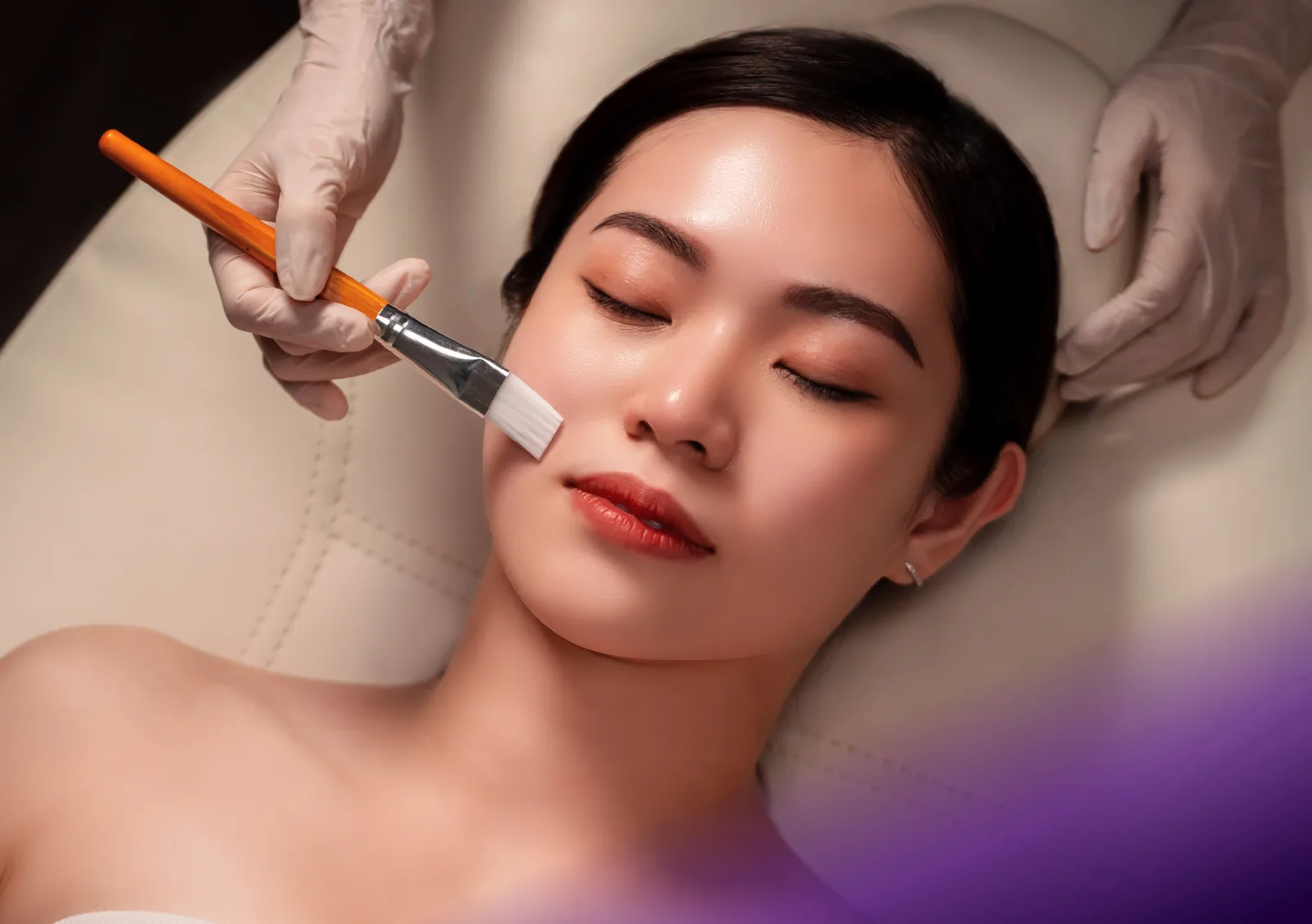 01
01Surface Pigmentation & Skin Renewal
Encourages controlled skin renewal to improve superficial pigmentation, dullness, uneven tone and post-breakout marks.
 02
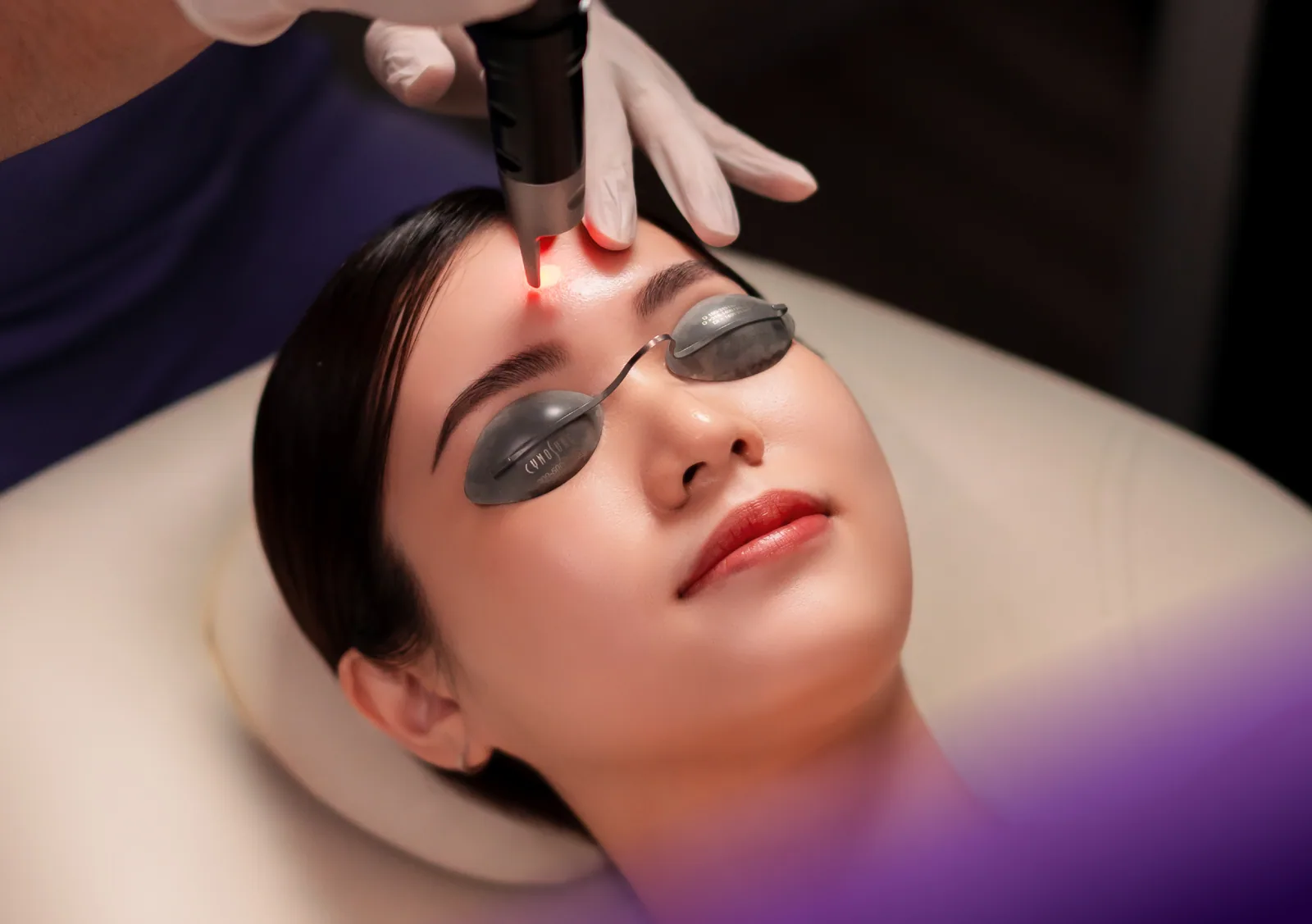
02Pigmentation & Uneven Skin Tone
Uses ultra-short laser pulses to target unwanted pigment and support a clearer, more even-looking complexion.
 03
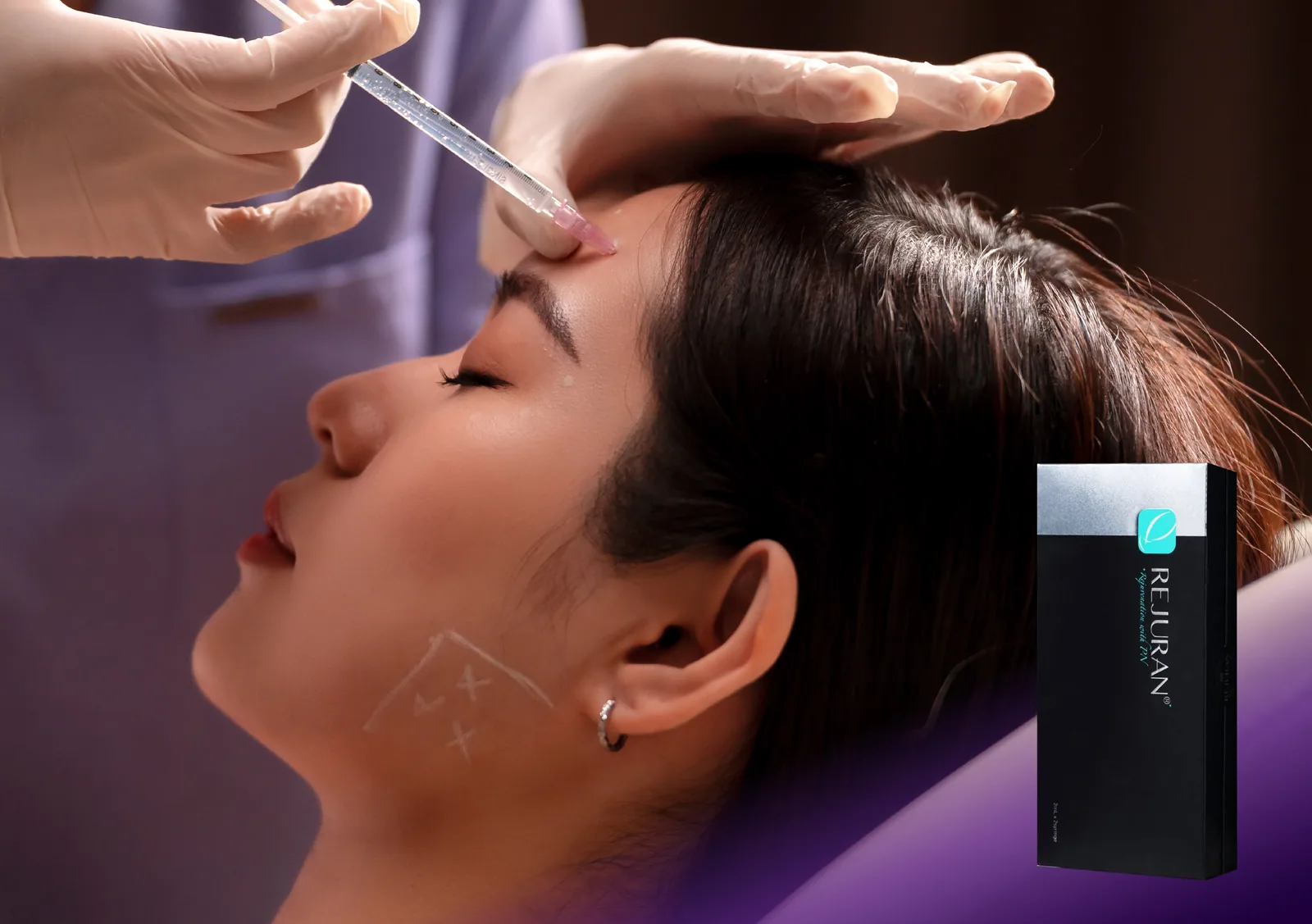
03Skin Repair & Resilience
Uses polynucleotides to support skin repair, elasticity, hydration and overall resilience. It may complement pigmentation treatment where skin quality and recovery also need support.
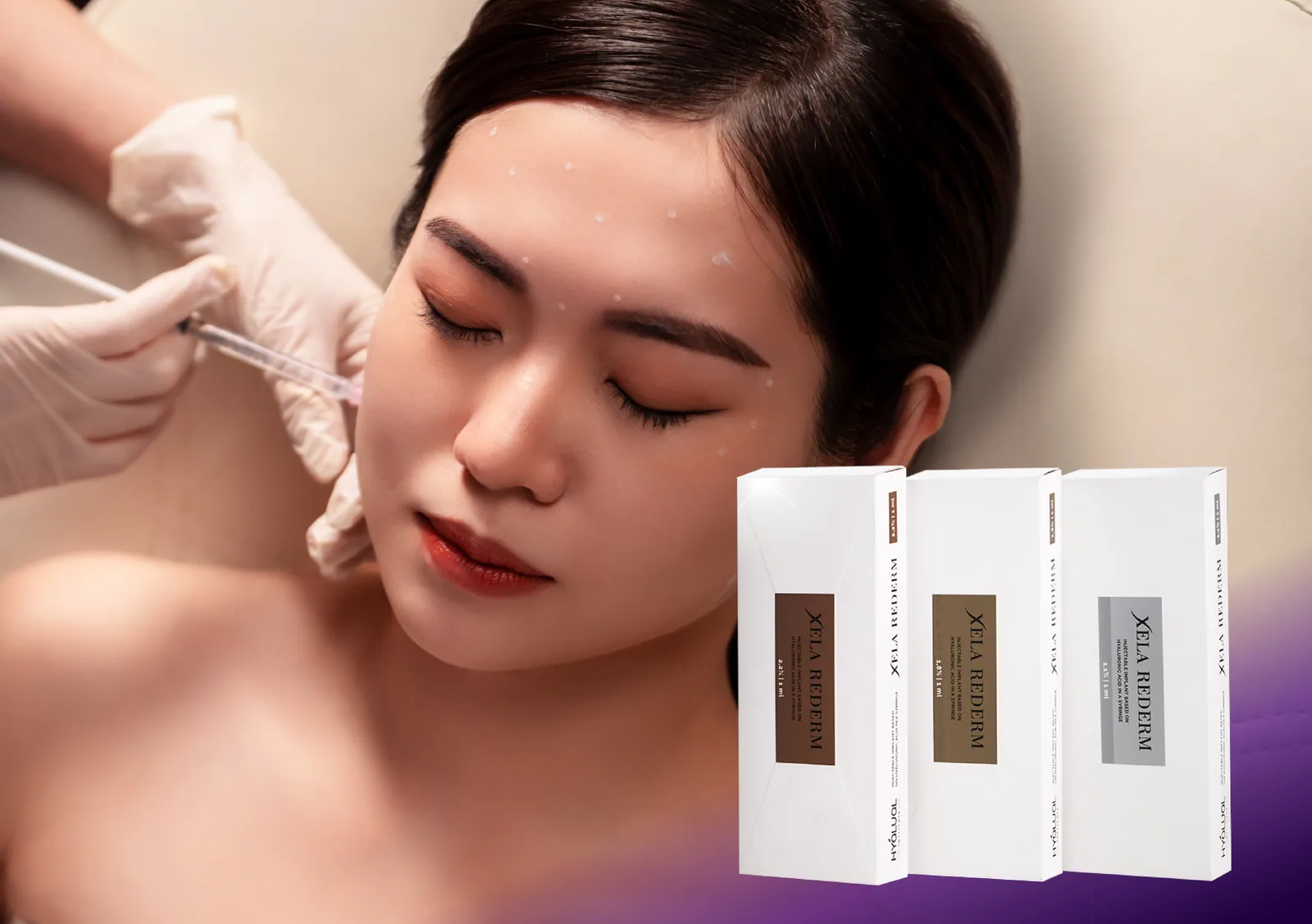 04
04Hydration, Repair & Brightening Support
Supports hydration, repair and brighter-looking skin with regenerative ingredients. It may be considered as part of a broader plan for pigmentation-prone or uneven-looking skin.
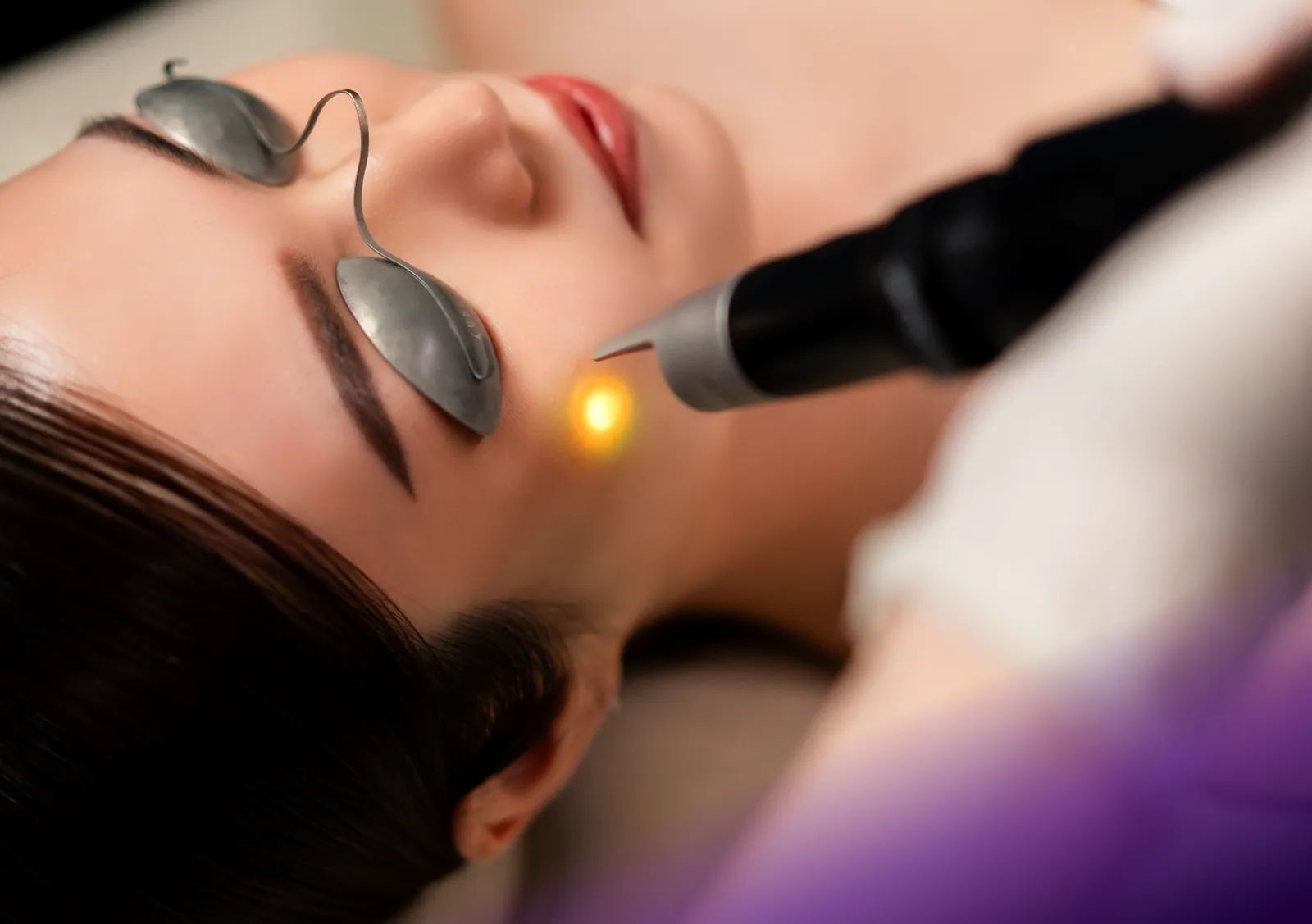 05
05Redness & Uneven Tone
Targets redness and uneven tone to support a clearer, brighter-looking complexion. It may be particularly relevant when redness occurs alongside pigmentation.
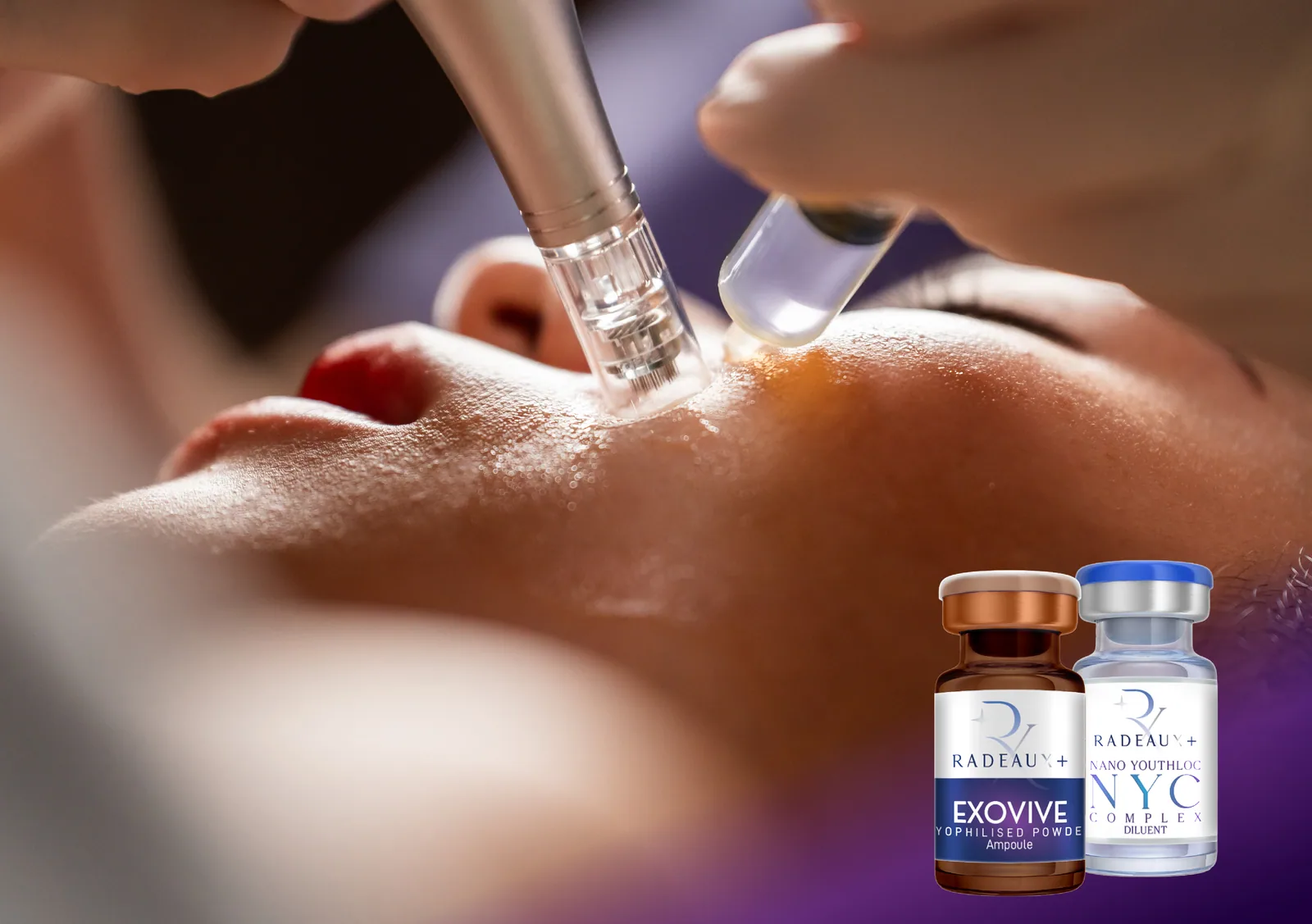 06
06Skin Repair & Recovery
Supports skin repair and recovery while improving texture, tone and overall resilience. It may complement other pigmentation treatments when skin recovery is part of the treatment goal.
 07
07Hydration & Skin Quality
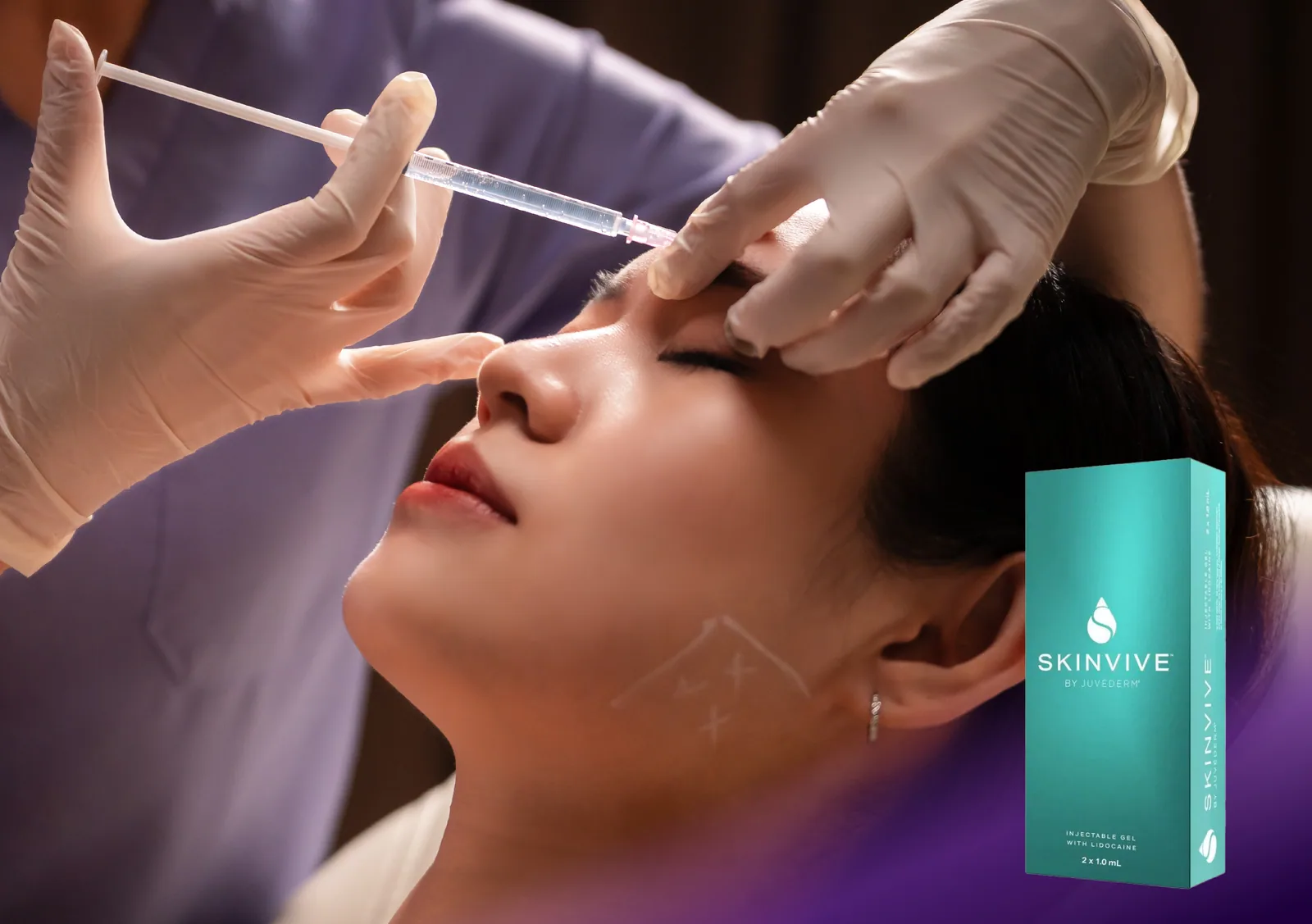
Improves hydration and smoothness to support healthier-looking skin quality and radiance. It does not directly target every type of pigment but may complement treatment where dehydration and skin quality contribute to a dull or uneven appearance.
A Clinic RX doctor can assess whether the concern is freckles, melasma, PIH, sun spots or uneven skin tone and recommend a treatment plan based on pigment pattern, skin condition and goals.
Pigmentation treatment should be selected carefully because inappropriate or overly aggressive treatment may irritate the skin or worsen pigment in susceptible skin.
This is general information, not medical advice. Treatment-specific risks and suitability will be discussed during consultation before consent is obtained.
Before-and-after references show individual Clinic RX outcomes. Results vary according to starting condition and treatment plan.
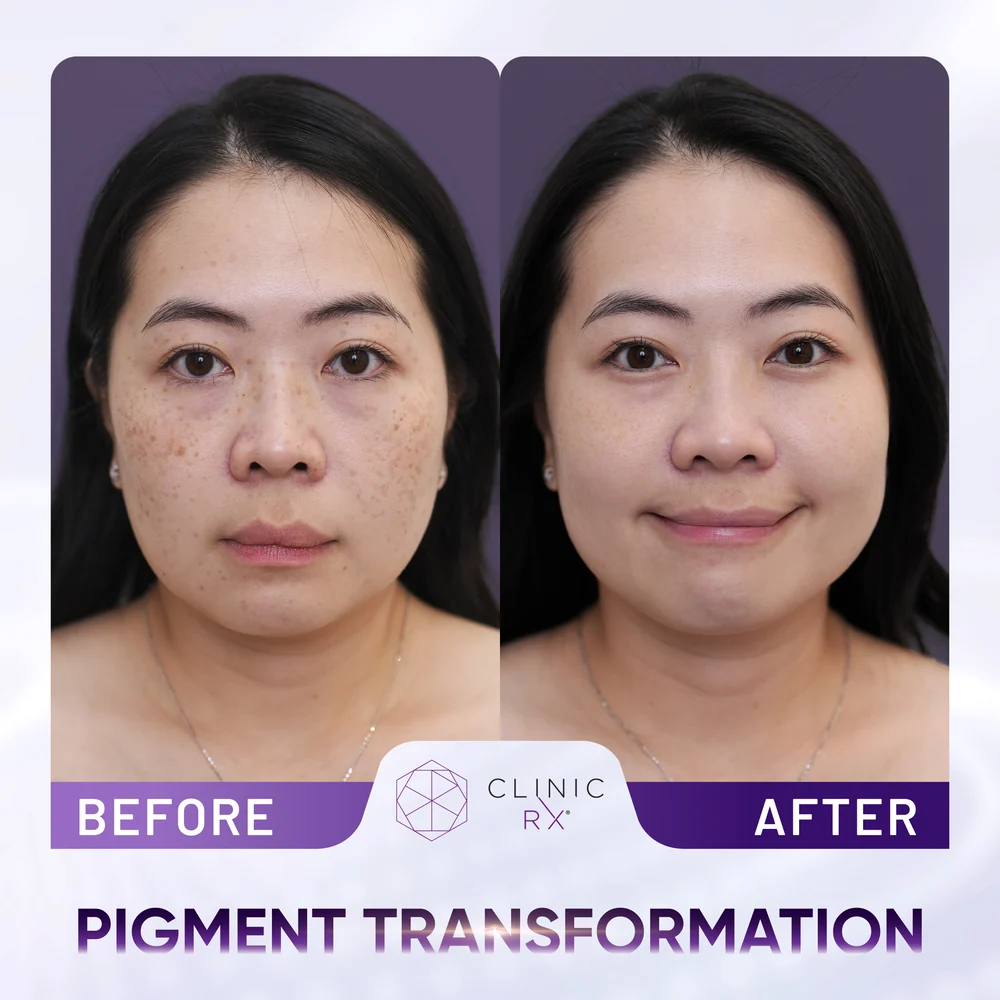
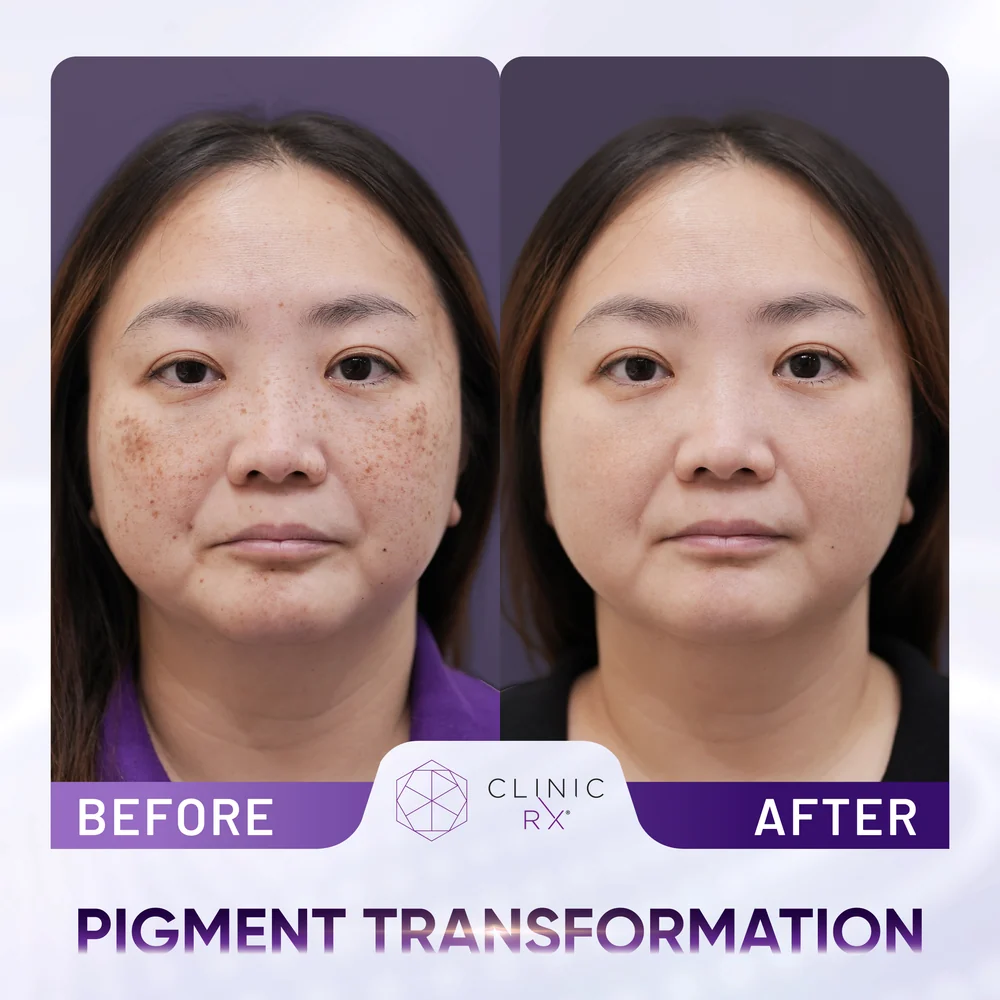
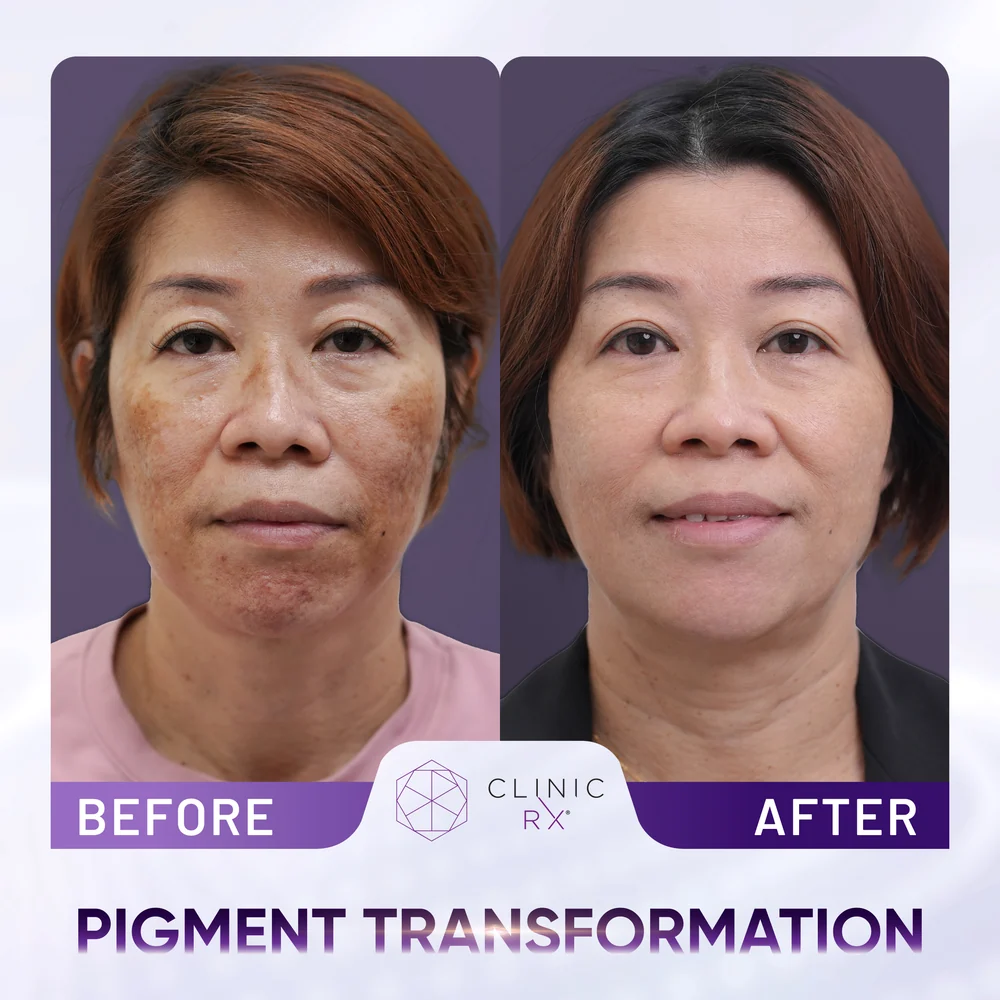
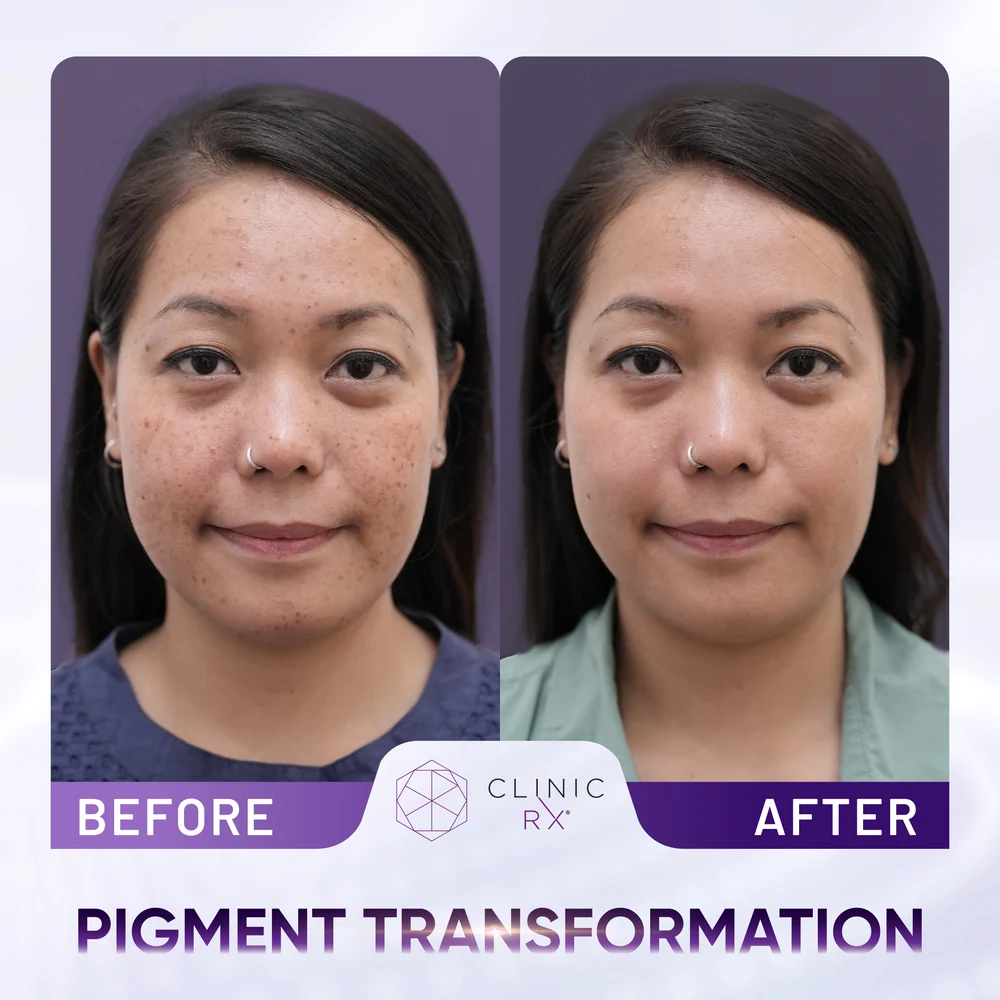
Depending on pigmentation type and treatment selected, suitable patients may experience:
Pigmentation improvement is usually gradual. Long-term results also depend on sun protection, appropriate skincare, pigmentation type and ongoing triggers.
Pigmentation can be influenced by sun exposure, inflammation, hormones, genetics and ageing. These factors can increase melanin production or change how pigment is distributed in the skin.
Common pigmentation patterns include freckles, melasma, post-inflammatory hyperpigmentation (PIH), sun or age spots and general uneven skin tone.
Melasma is patchy pigmentation commonly influenced by hormonal factors and sun exposure. It often appears on areas such as the cheeks, forehead or upper lip and can be prone to recurrence.
PIH is a flat brown or darker mark that remains after inflammation or injury, such as acne, irritation or a skin procedure. It is a pigment change rather than an indented scar.
Pigmentation may darken with ongoing sun exposure, hormonal changes, inflammation or irritation. Some pigmentation conditions can also fluctuate over time.
Some superficial pigmentation and post-inflammatory marks may fade gradually, but other types such as melasma, freckles or sun spots may persist or recur. The expected course depends on the pigmentation type and depth.
There is no single best treatment for every type of pigmentation. Pico Laser and Botanical Peel may target pigment and skin renewal, while Yellow Laser may be useful when redness is also present. Rejuran, XelaRederm, Exosome Therapy and Skinvive may support skin quality, hydration and recovery as part of an individualised plan.
Pico Laser can target unwanted pigment and may help lighten freckles, sun spots, post-inflammatory pigmentation and other suitable pigment concerns. Results depend on the type and depth of pigmentation, and multiple sessions may be needed.
Pico Laser may be considered for selected patients with melasma, but melasma can be sensitive to irritation and heat and is prone to recurrence. Treatment settings and the overall plan should therefore be individualised after assessment.
Yes. A suitable peel can encourage skin renewal and may improve superficial pigmentation, dullness and post-inflammatory marks. Peel strength and frequency should be selected according to skin condition and sensitivity.
Yellow Laser targets redness and uneven tone. It may be useful when vascular redness occurs together with pigmentation or when improving overall tone is part of the treatment goal.
These treatments mainly support skin repair, hydration, resilience and overall skin quality rather than directly removing every type of pigment. They may be used alongside pigment-targeting treatments when appropriate.
The number of sessions depends on pigmentation type, depth, treatment selected, skin response and goals. Some concerns may improve after a few sessions, while recurrent conditions such as melasma may require longer-term management.
Yes. Pigmentation can recur, particularly with ongoing sun exposure, hormonal triggers, inflammation or a natural tendency to develop pigment. Consistent sun protection and appropriate homecare are important.
If you are unsure whether you have freckles, melasma, post-inflammatory hyperpigmentation, sun spots or another form of uneven skin tone, a Clinic RX doctor can assess the pigmentation pattern and discuss which treatment options may be suitable.
Treatment suitability, expected results, risks, number of sessions and maintenance vary between individuals and pigmentation types and will be discussed during consultation.