Clinic RX Bukit Jalil
Kuala Lumpur, Malaysia
Mon–Fri, 10am–7pm | Sat, 9am–6pm
FACE CONDITION
Learn what causes a square jaw, how muscle, bone, fat and skin laxity affect lower-face shape, and which jaw slimming options doctors may consider.

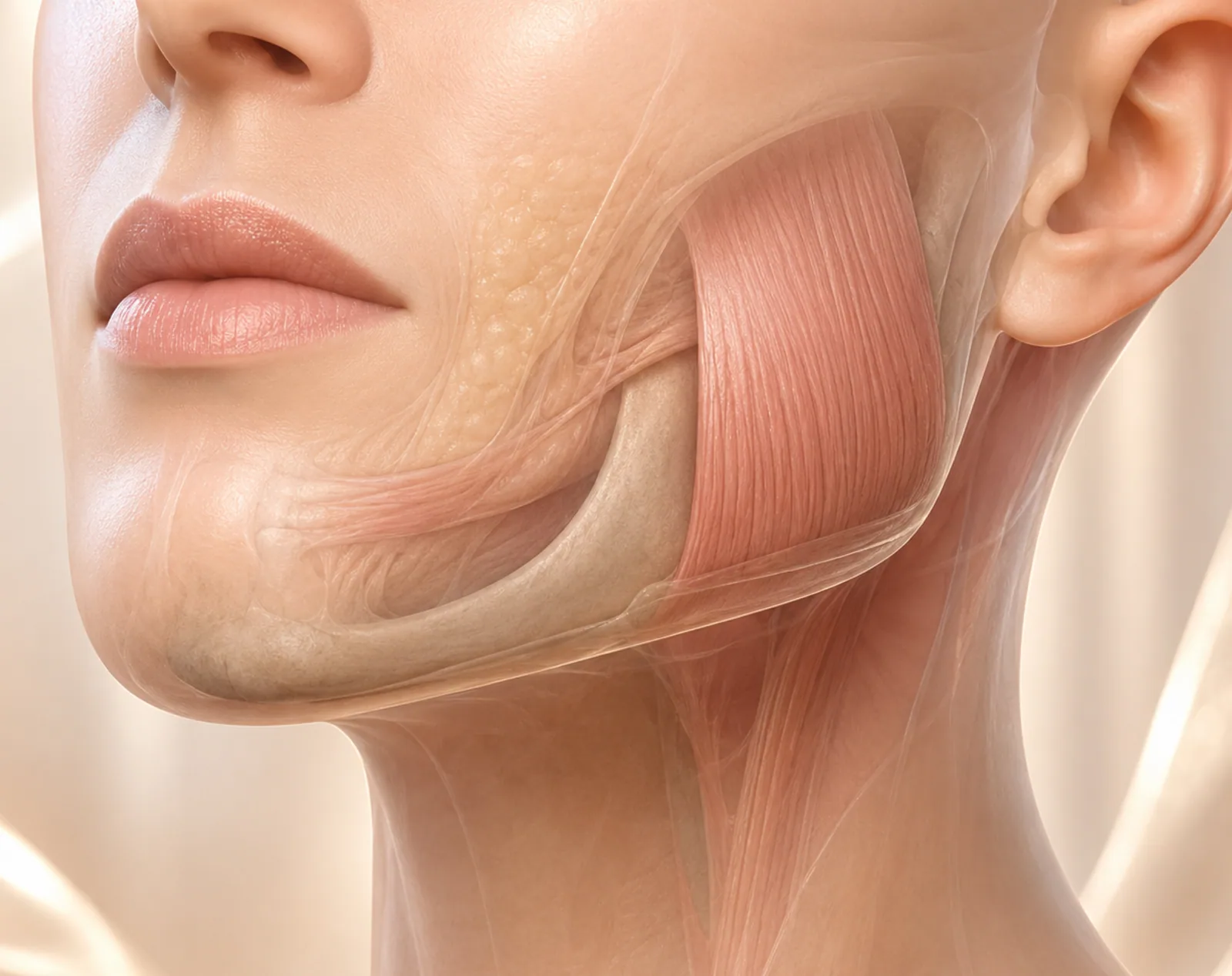
A square jaw appears when the masseter (chewing) muscle, jawbone width, or fat and skin along the lower face create a broad, angular lower-face silhouette.
Without treatment, muscle-related jaw bulk tends to remain prominent, particularly with habits like teeth clenching or heavy chewing.
Early assessment helps determine whether the cause is muscular, structural, or a combination.
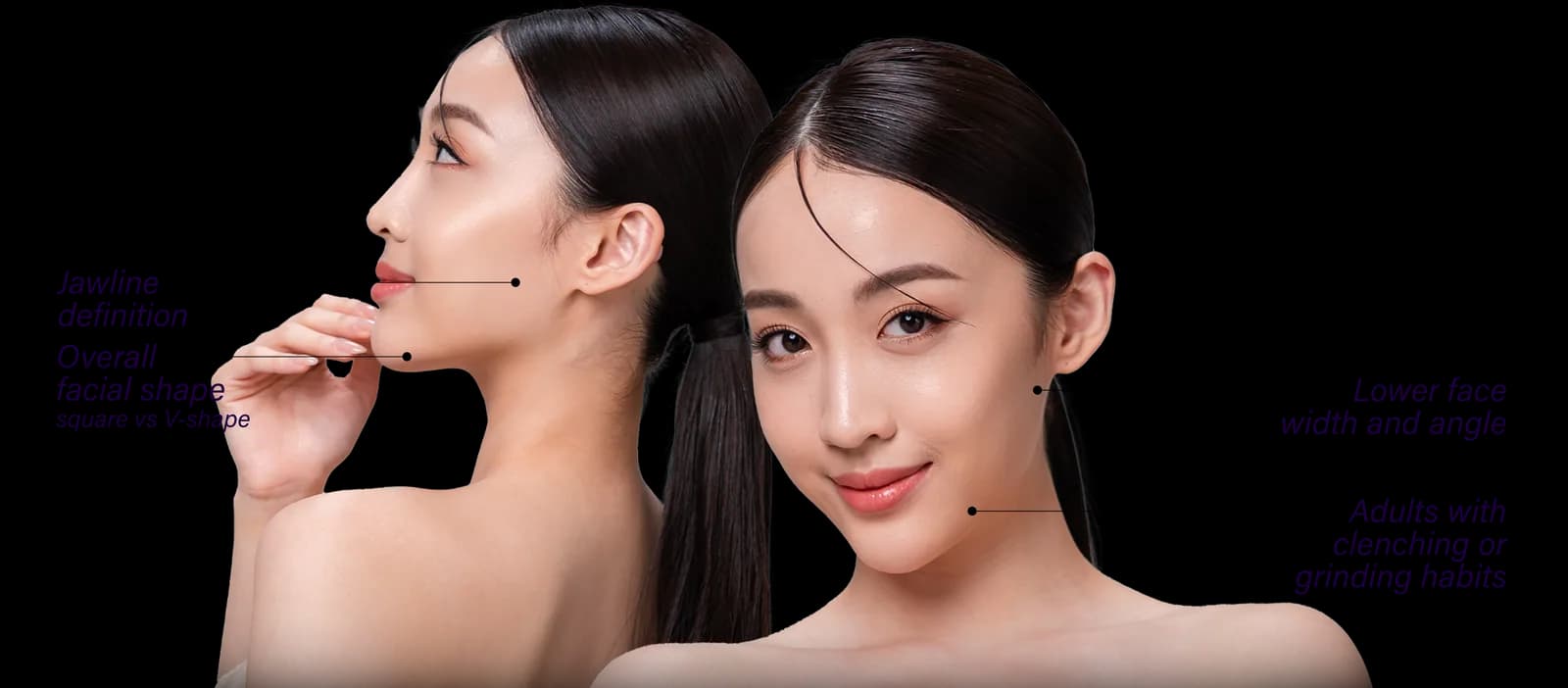
In our consultations, patients who describe their concern as a ‘square jaw’ do not always have enlarged masseter muscles. Some have a naturally wider mandible, while others have lower-face fullness or skin laxity. This is why we assess the jaw while relaxed and during clenching before recommending treatment.
A square jaw is caused by a combination of factors, including:
Because jaw width has multiple possible causes, effective treatment must correctly identify the source before contouring.
Square jaw concerns tend to persist because:
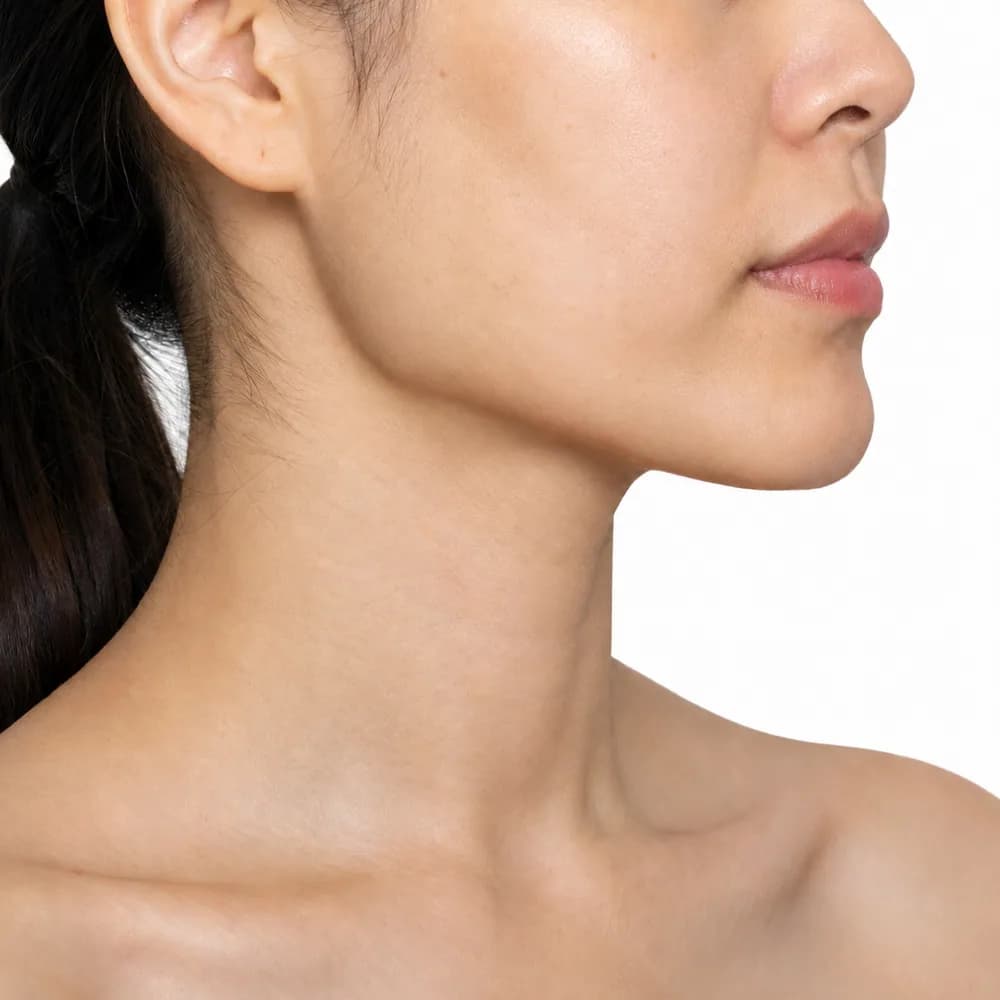
Masseter hypertrophy
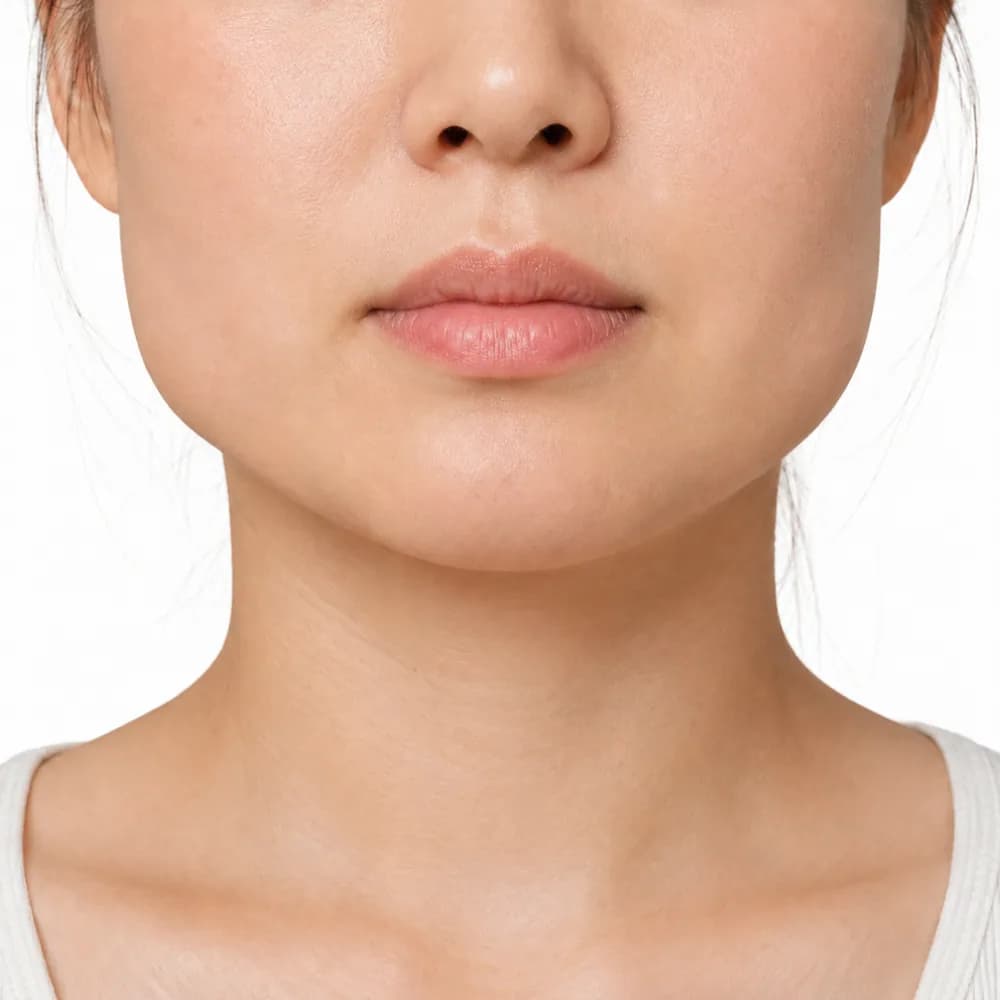
Wide jawbone
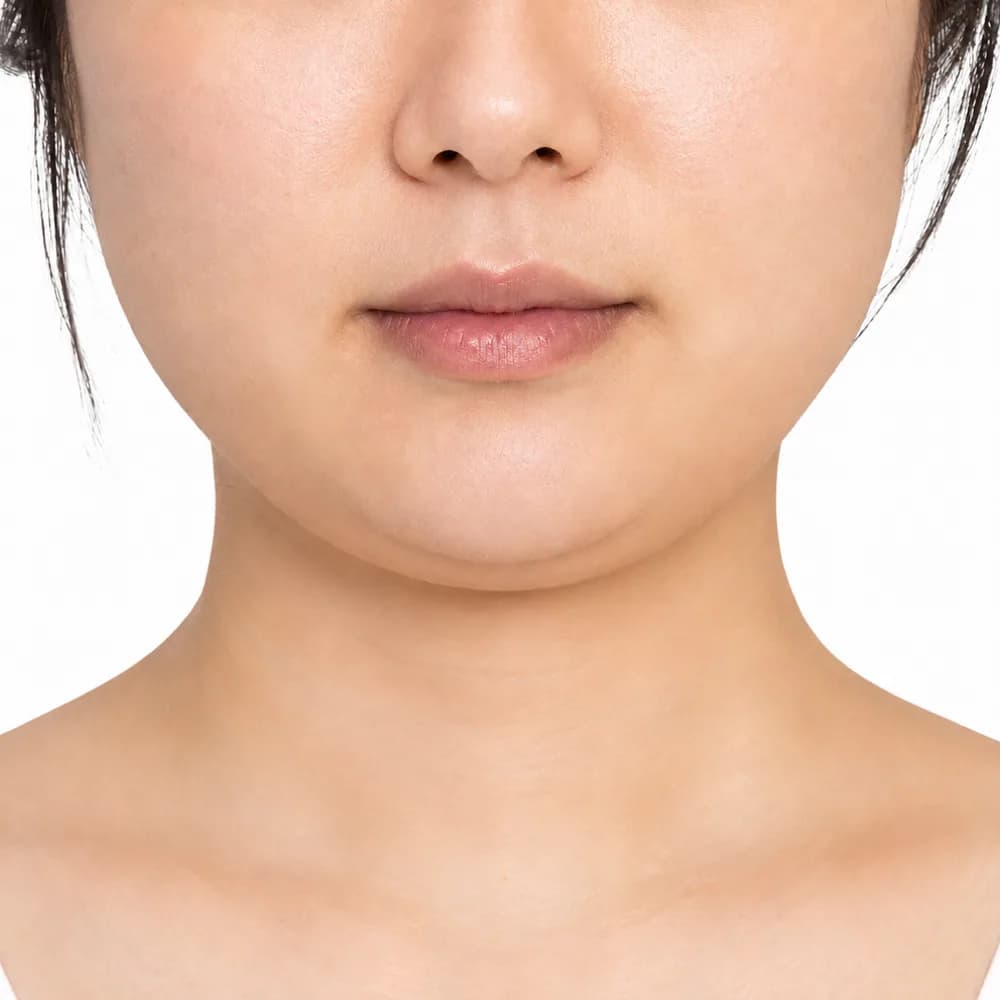
Excess fat along the lower face
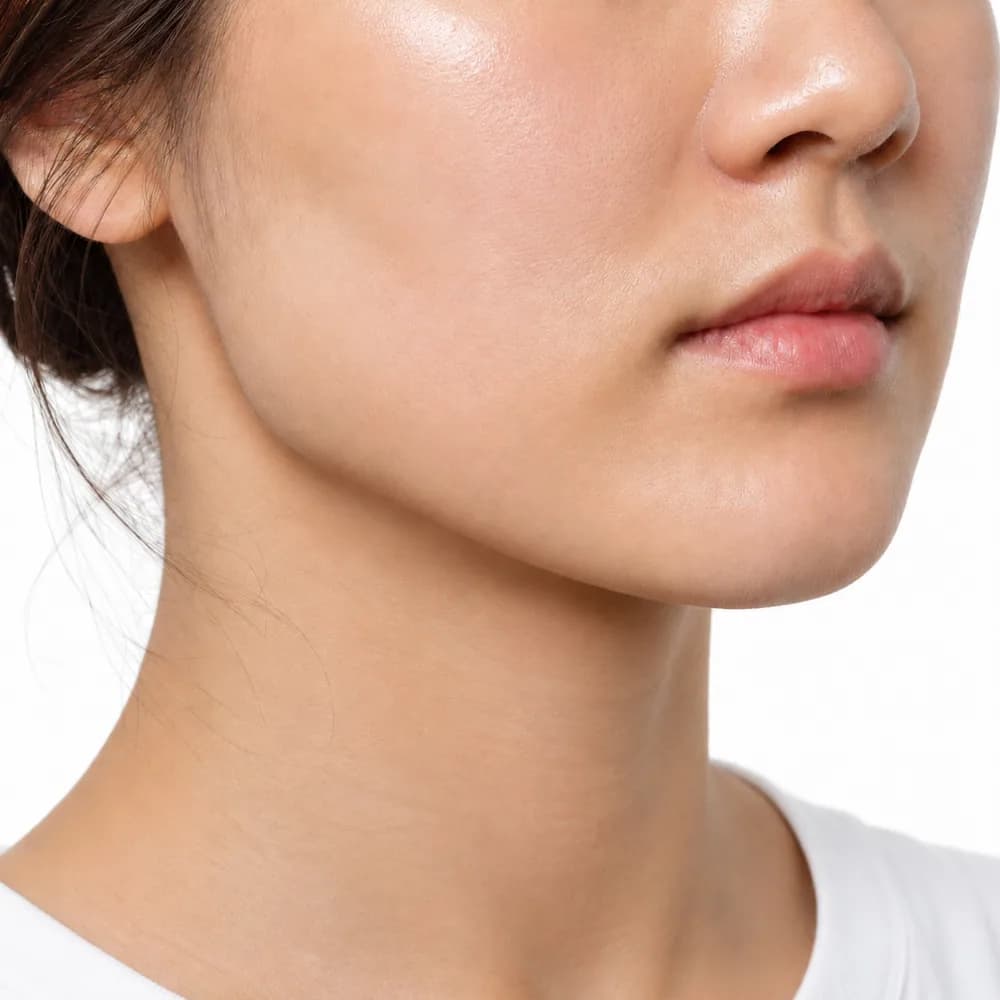
Muscle, bone, and fat contributing together
A consultation and physical assessment is required to confirm suitability — this page is general education, not a diagnosis.
Suggested options are selected after doctor assessment and may be combined according to suitability, response, and goals. Figures below are typical ranges — your doctor will confirm what applies to you.
Book Consultation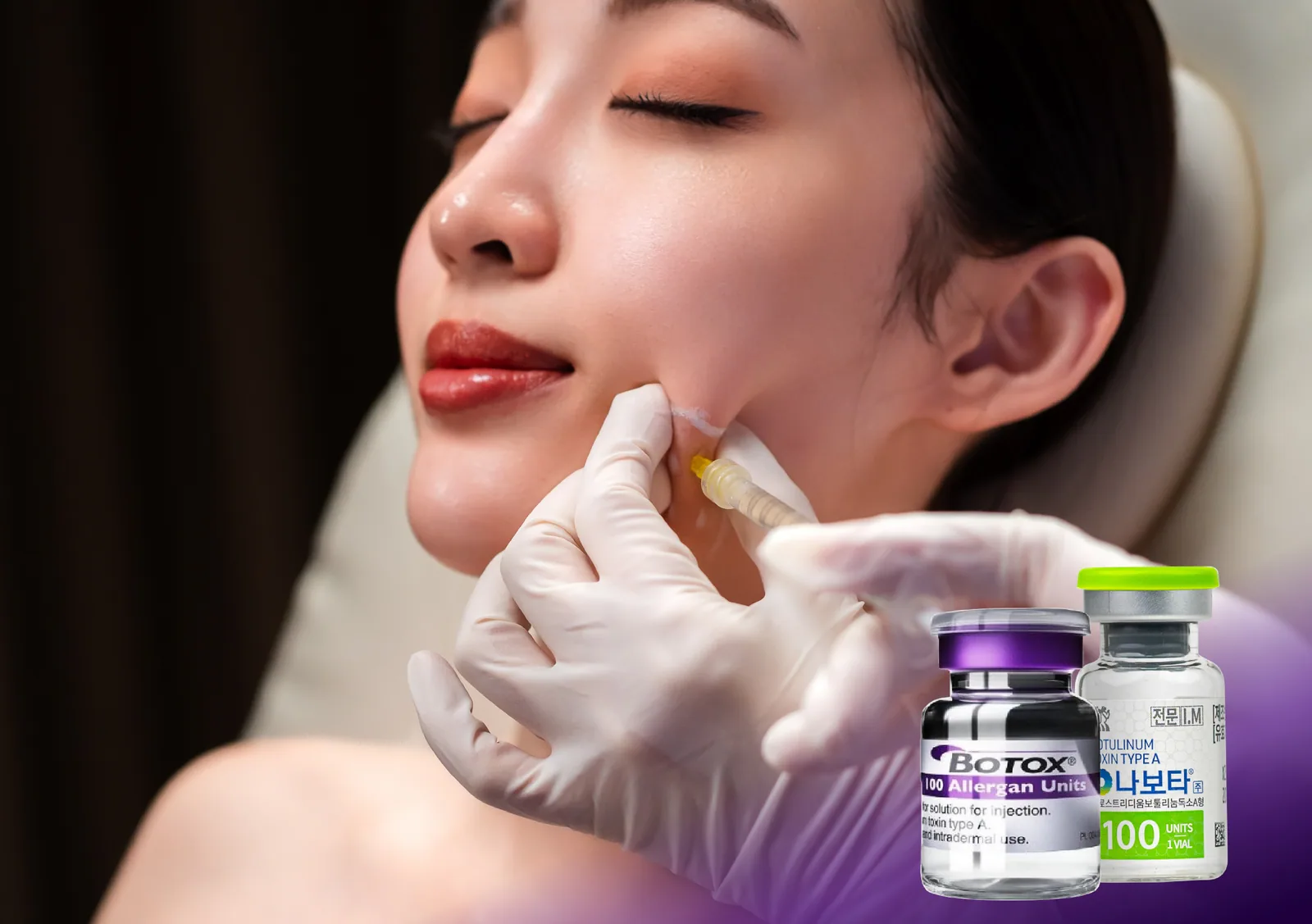 01
01Muscle-Related Jaw Width
Relaxes the masseter muscle to gradually slim jaw width.
 02
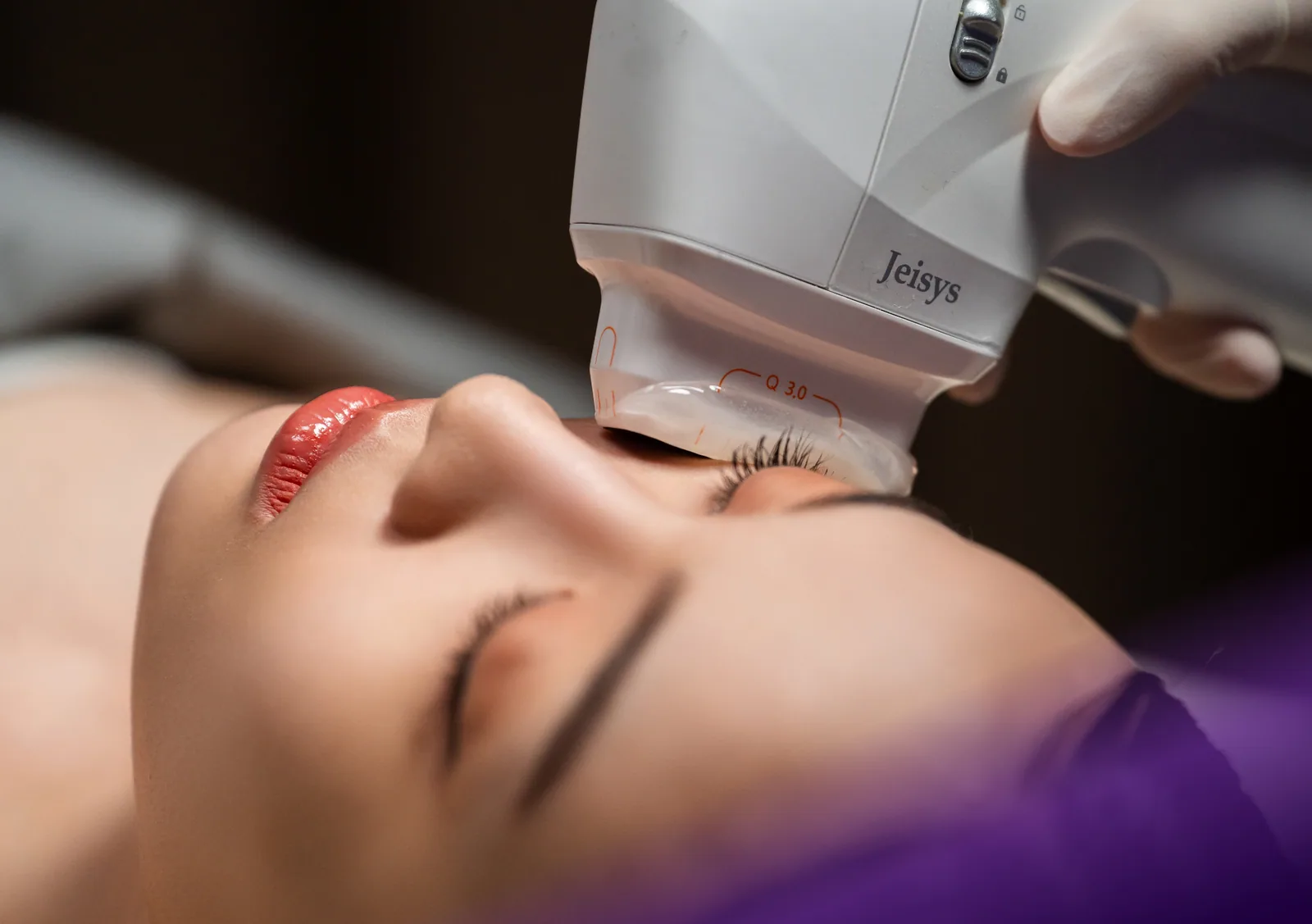
02Skin Tightening & Contour Refinement
Lifts and tightens skin along the jawline for a sharper contour.
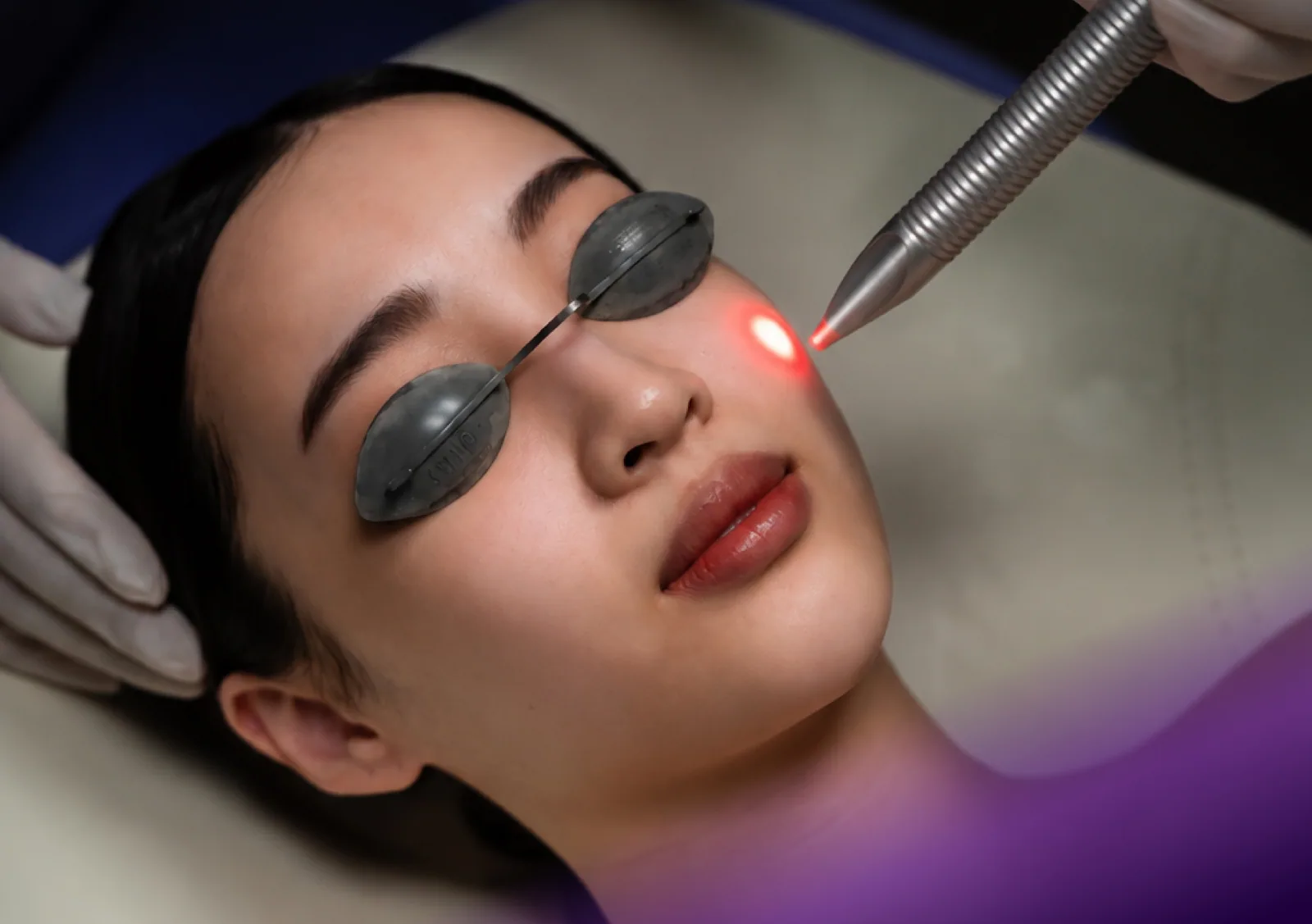 03
03Skin Tightening & Contour Refinement
Tightens skin and stimulates collagen for jaw definition.
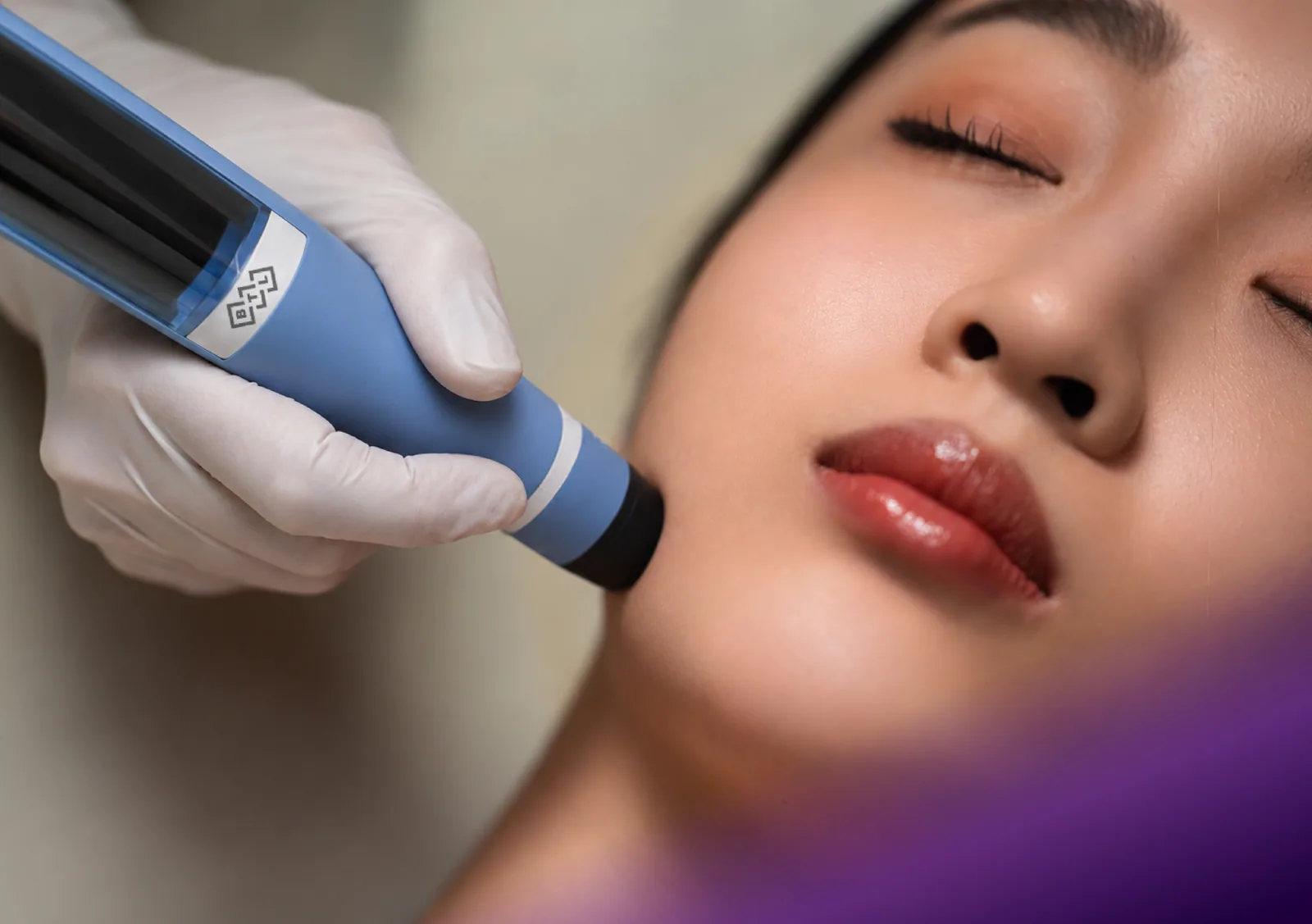 04
04RF-Based Skin Tightening
RF-based skin tightening to refine lower face contour.
A Clinic RX doctor can help you compare treatments based on your concern and goals.
All aesthetic treatments carry some risk, and individual response varies. Before treatment, your doctor will review your medical history and explain the risks specific to your recommended option. General considerations include:
This is general information, not medical advice. A full risk disclosure will be provided and discussed during your in-person consultation, before consent is obtained.
View real before-and-after results of jaw slimming performed by Clinic RX doctors. Results vary based on jaw structure and treatment consistency.
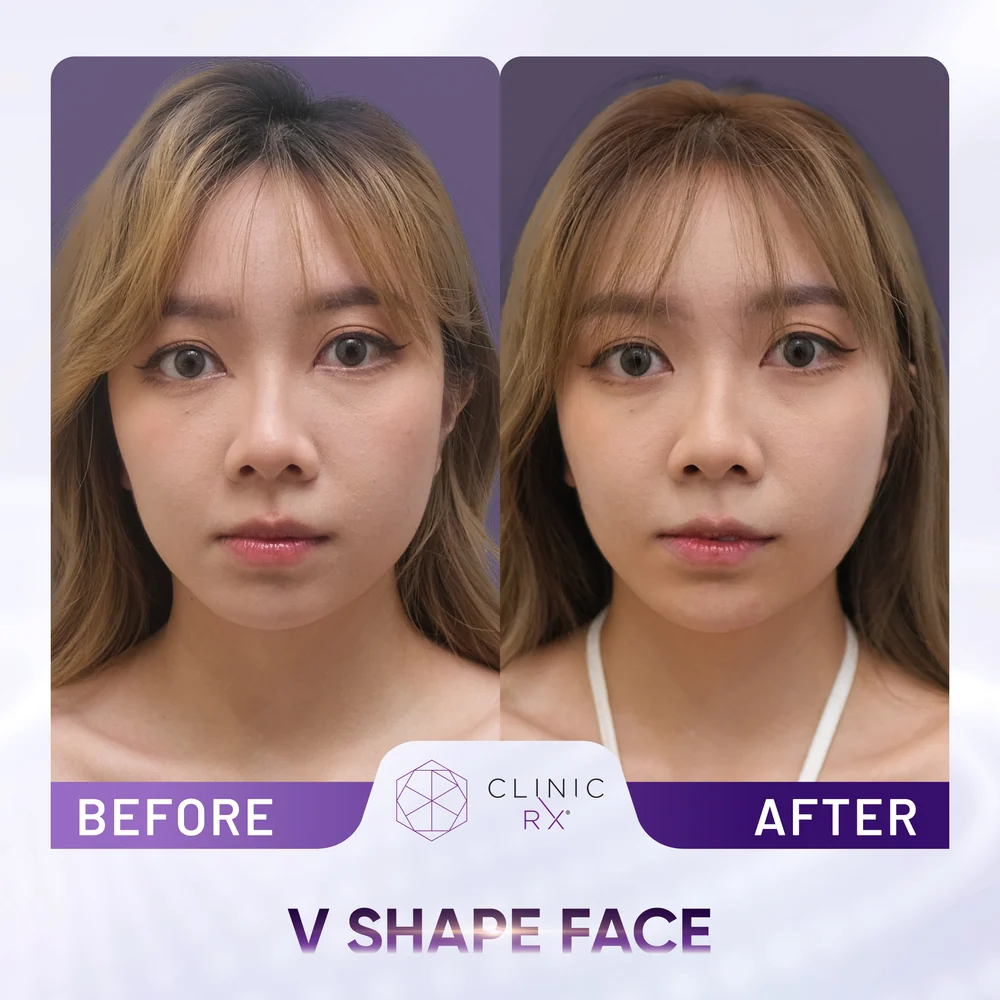
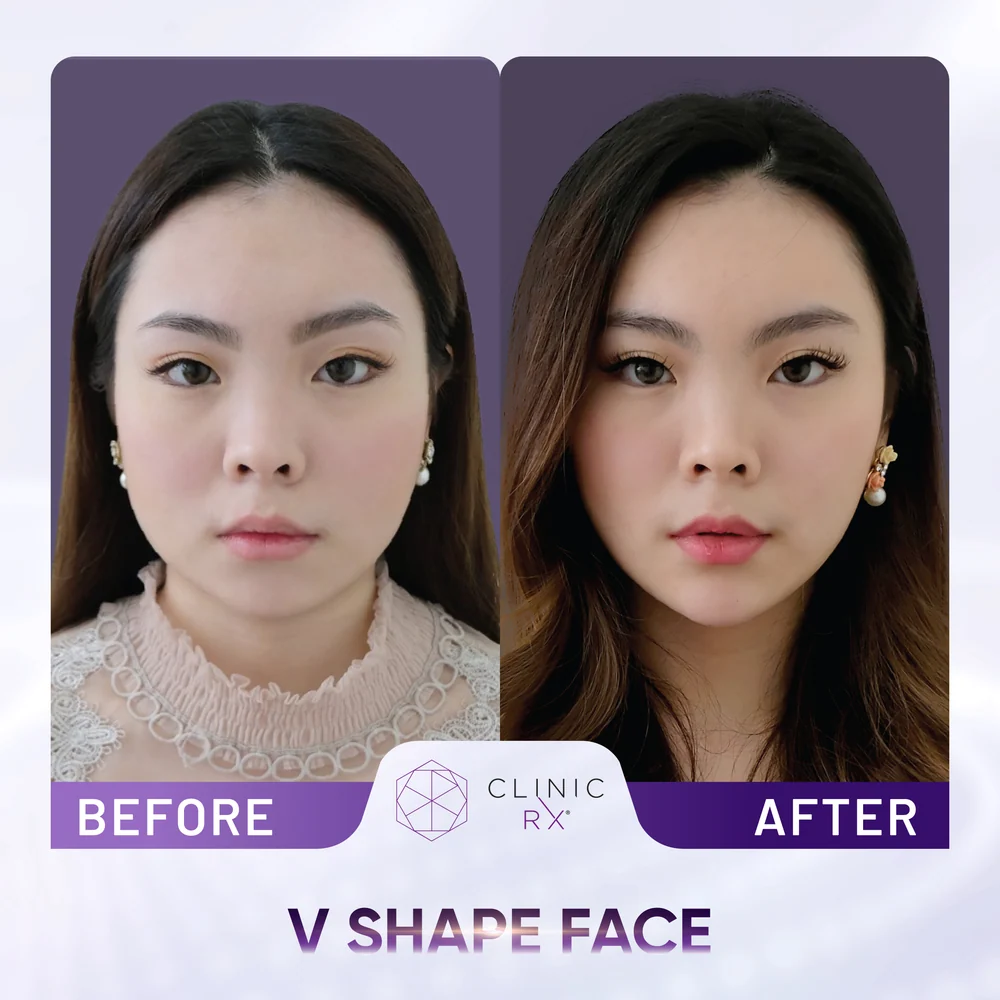
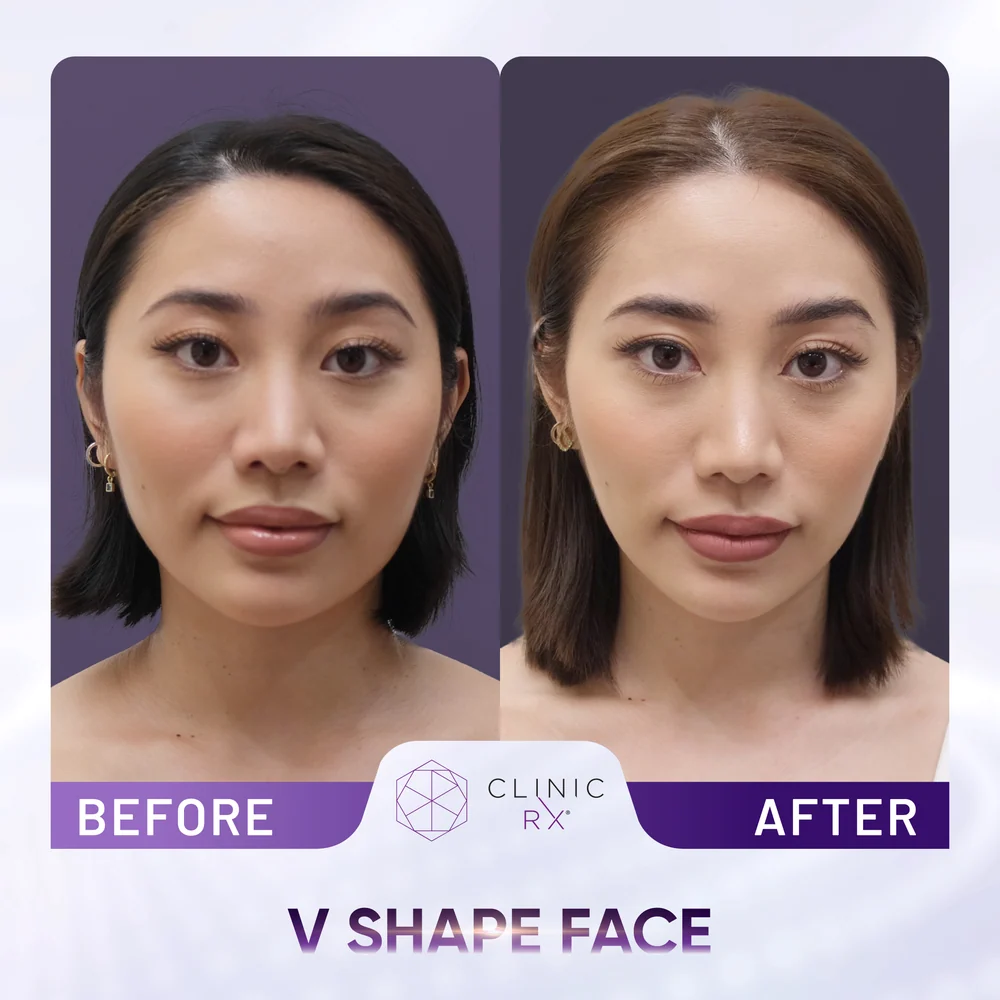
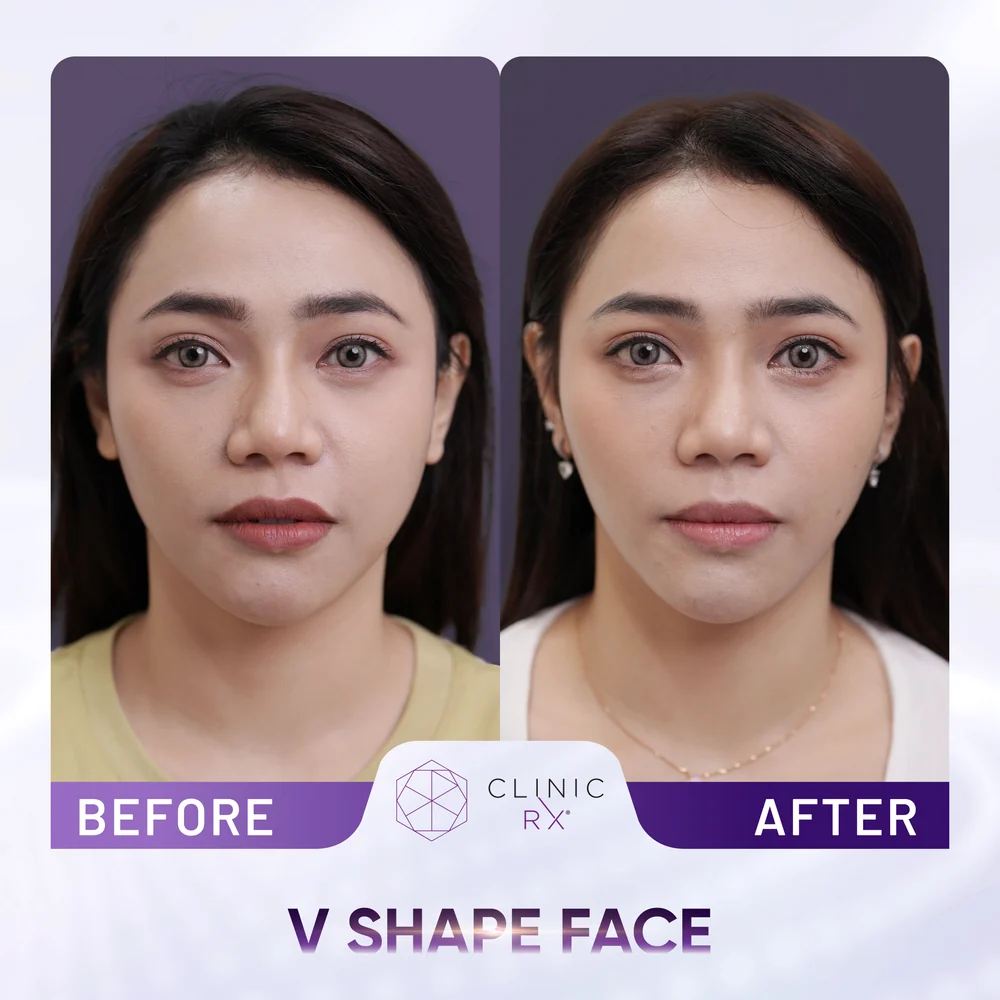
With proper treatment and consistency, patients may experience:
Jaw slimming is gradual, typically visible from 4–8 weeks after muscle-relaxing treatment, with maintenance every 4–6 months.
A square jaw can be related to enlarged masseter muscles, a wide or prominent jawbone, excess fat along the lower face, skin laxity, genetics, or a combination of these factors.
A doctor can assess your jaw structure and habits such as clenching or grinding to determine what is contributing to the width. Because more than one factor may be involved, an in-person assessment is more reliable than judging facial shape alone.
It depends on the cause. Non-surgical treatments may be considered for muscle-related jaw width or skin laxity, while a naturally wide jawbone does not change in the same way with non-surgical contouring treatments.
Natural changes may be limited when jaw width is mainly structural. Habits such as clenching, grinding and frequent gum chewing can contribute to masseter muscle prominence, so identifying the underlying cause is important.
Weight changes may affect lower-face fullness when fat contributes to the appearance, but they do not change the width of the jawbone. If masseter muscle or bone structure is the main cause, the jaw may remain broad despite weight loss.
There is no single best treatment for every square jaw. Botulinum Toxin may be considered for muscle-related jaw width, while HIFU, Fotona 4D or Exion may be considered when skin tightening and contour refinement are relevant. A doctor should first identify the main cause.
The timeline depends on the treatment selected. On this page, muscle-related treatment is described as showing gradual visible change from around 4–8 weeks, while skin-tightening treatments may build more gradually. Your doctor will set expectations for your individual plan.
No. Non-surgical results may require maintenance, and how long they last varies from person to person. The underlying muscle, bone, fat and skin pattern also affects the long-term appearance.
The appearance can change again over time because treatment results and duration vary between individuals, and maintenance may be required. Your doctor can advise when reassessment is appropriate.
Botulinum Toxin is used on the masseter muscle, so it is intended for muscle-related jaw width rather than changing the physical width of the jawbone.
Yes, in some cases. For example, Botulinum Toxin may be used for muscle reduction alongside HIFU or Fotona 4D for skin tightening, depending on individual assessment.
Pricing depends on the treatment, number of sessions and your individual plan. Final pricing is confirmed during consultation.
If you are unsure whether your jaw width is mainly related to muscle, bone, fat or skin laxity, a Clinic RX doctor can assess your lower-face structure and discuss which treatment options may be suitable for your concern and goals.
Treatment suitability, expected results, risks and maintenance vary between individuals and will be discussed during consultation.