Clinic RX Bukit Jalil
Kuala Lumpur, Malaysia
Mon–Fri, 10am–7pm | Sat, 9am–6pm
FACE CONDITION
Learn what causes chubby cheeks, how fat, facial structure and skin laxity affect cheek fullness, and which cheek contouring options doctors may consider.

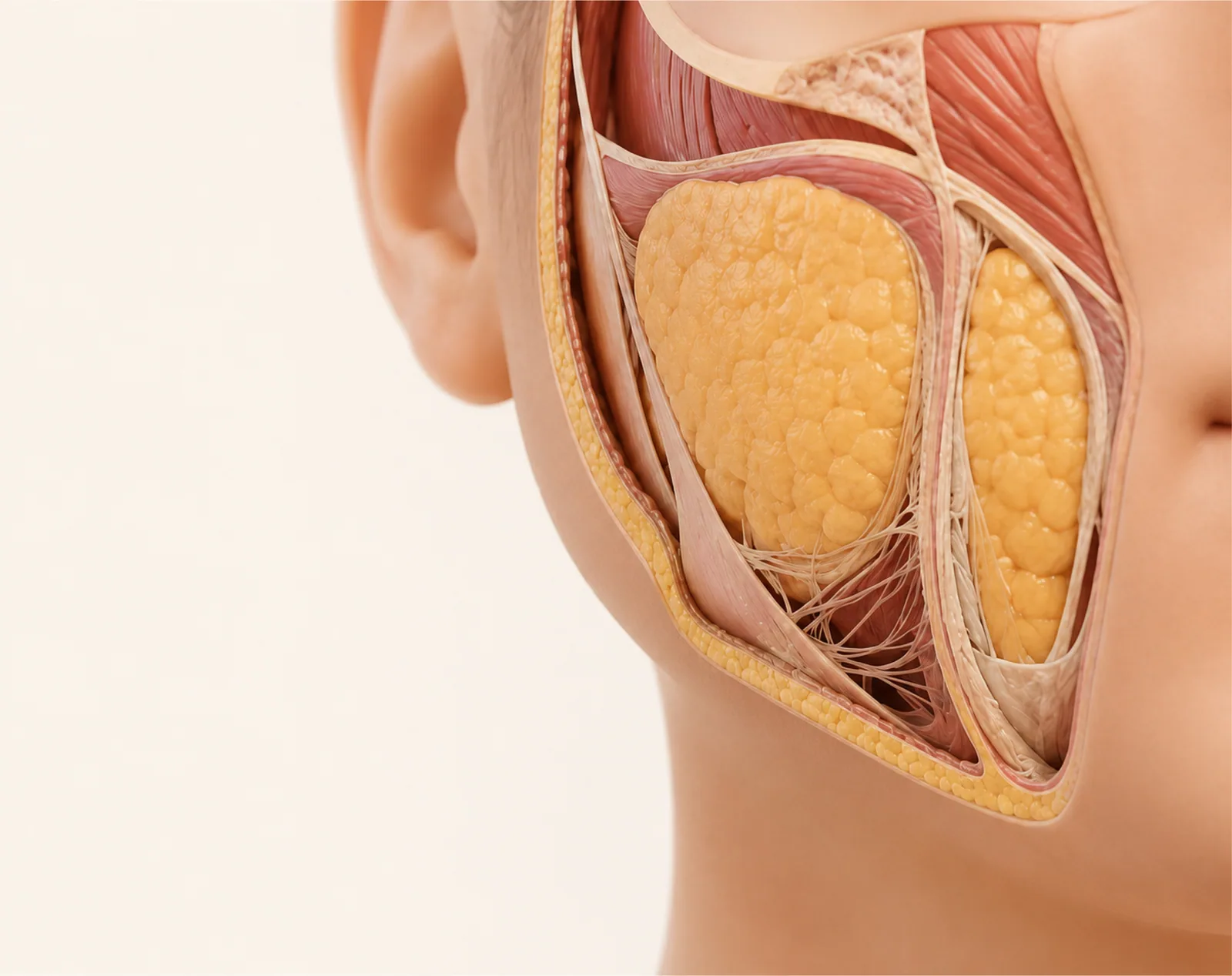
Chubby cheeks appear when fat pads in the mid-face, including the buccal fat pad, are prominent, or when skin and soft tissue create a fuller, rounder cheek profile.
Cheek fullness may remain stable over time or become more noticeable with age as soft tissue descends and contributes to lower-face heaviness or jowling.
Early assessment helps determine whether the fullness is mainly related to fat, facial structure, skin laxity or a combination.
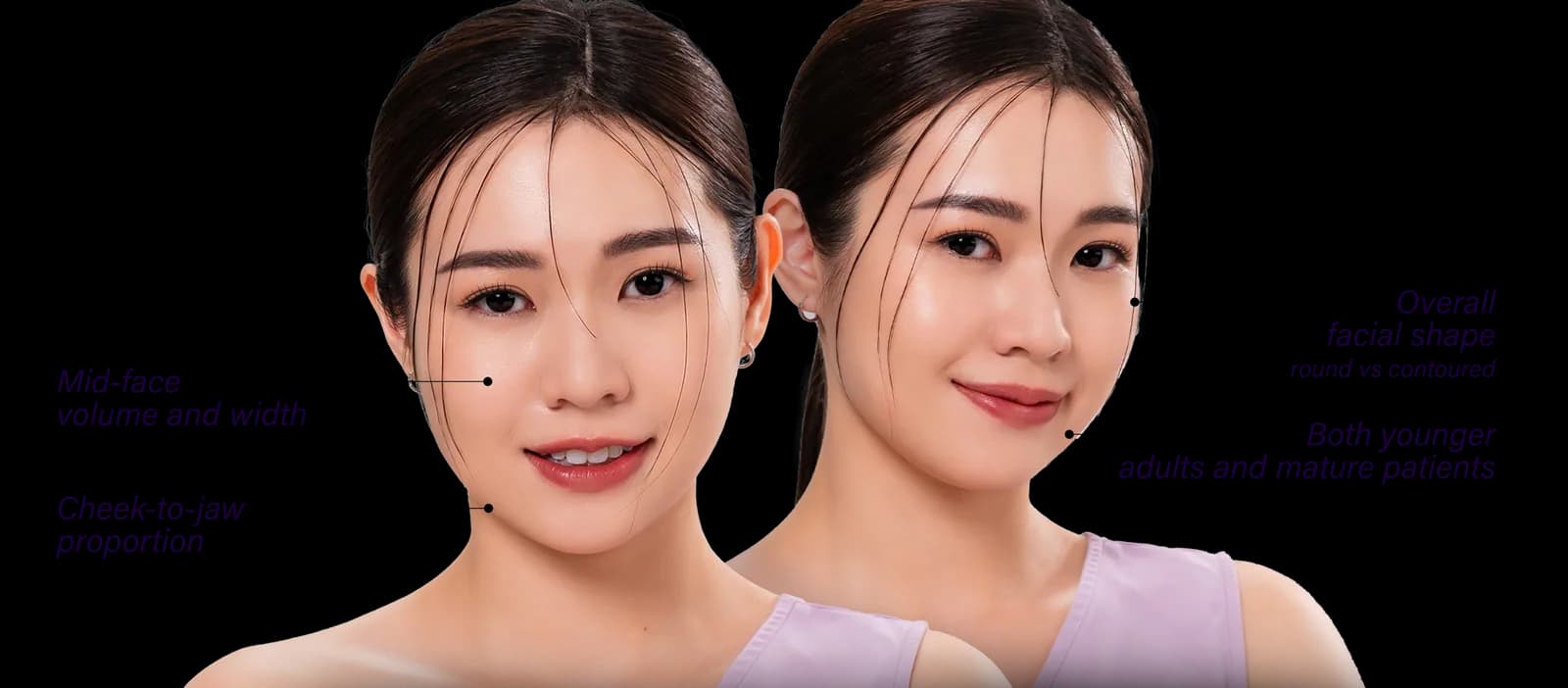
Not every full-looking cheek is caused by excess fat. We assess facial structure, fat distribution and skin laxity first, because reducing volume in the wrong patient may not create better facial balance.
Chubby cheeks can be caused by a combination of factors, including:
Because cheek fullness has multiple possible causes, effective contouring should identify the main source before treatment is recommended.
Cheek fullness may persist because:
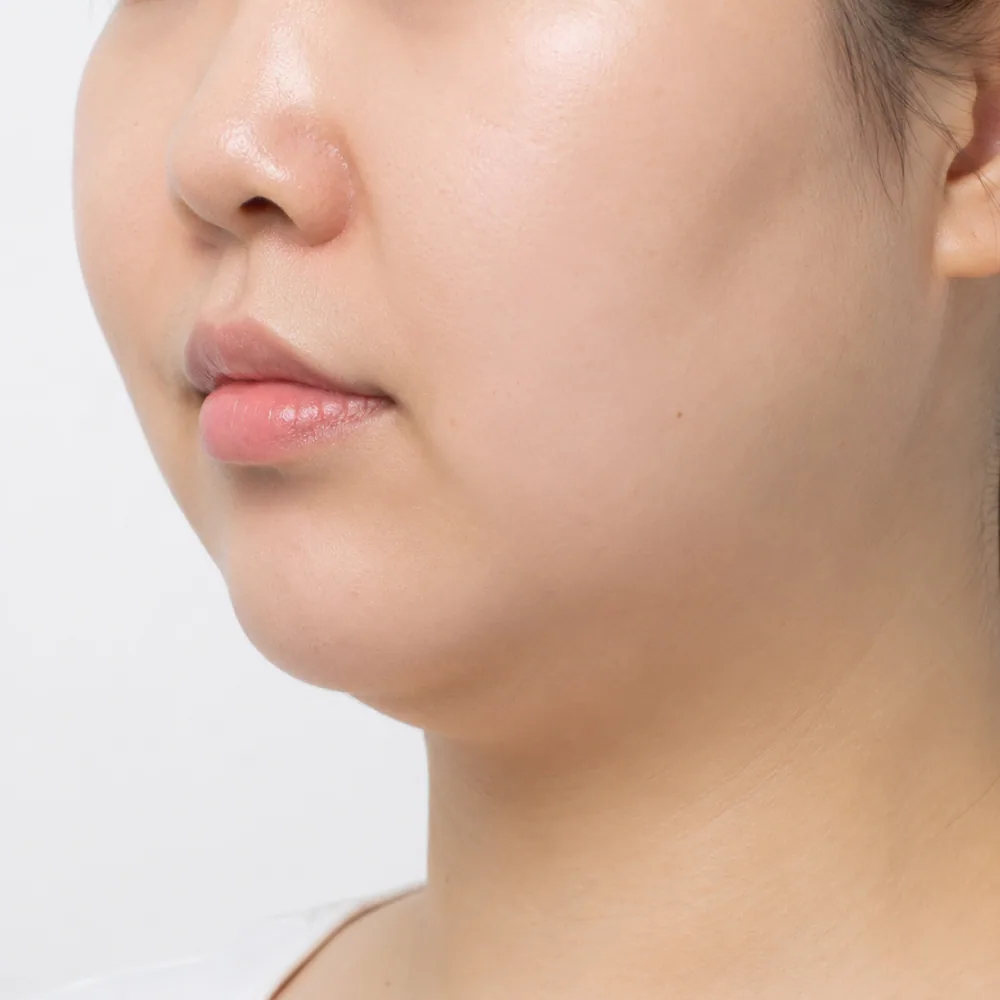
Prominent cheek or buccal fat pads
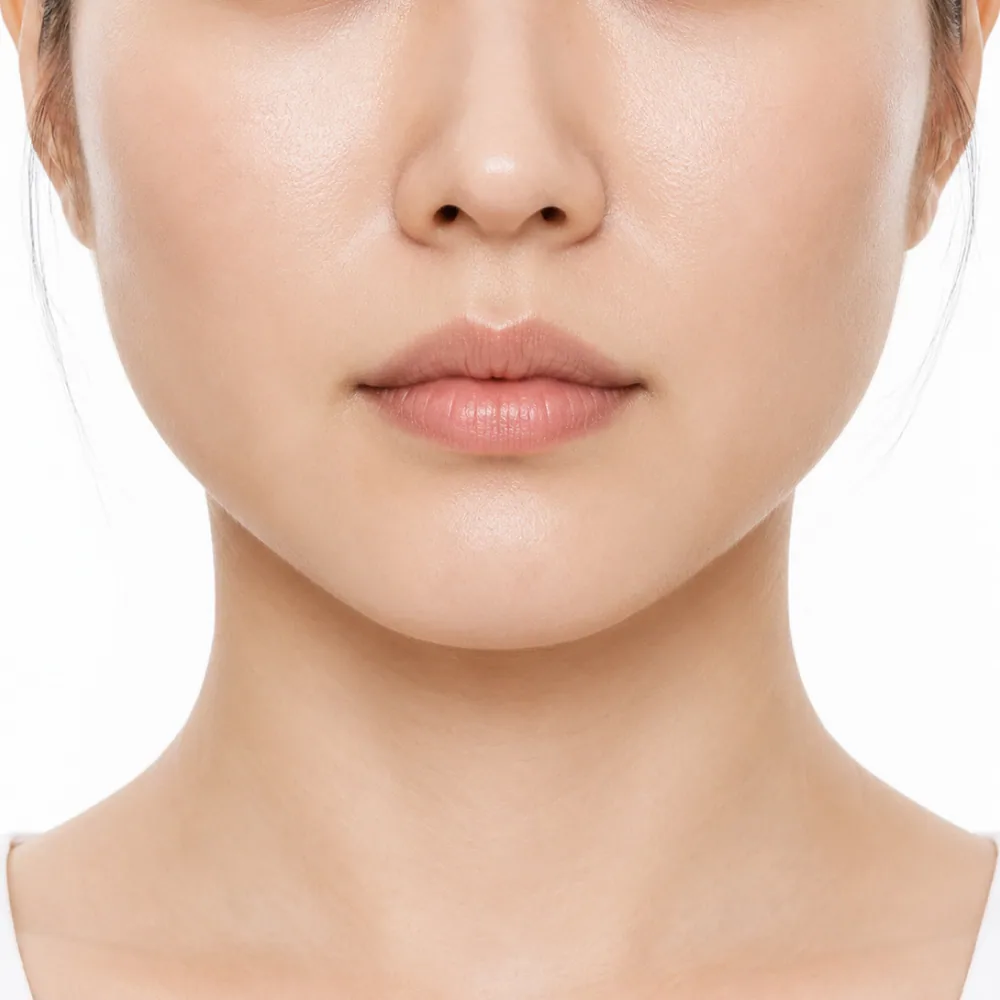
Wide or rounded cheekbone / mid-face structure
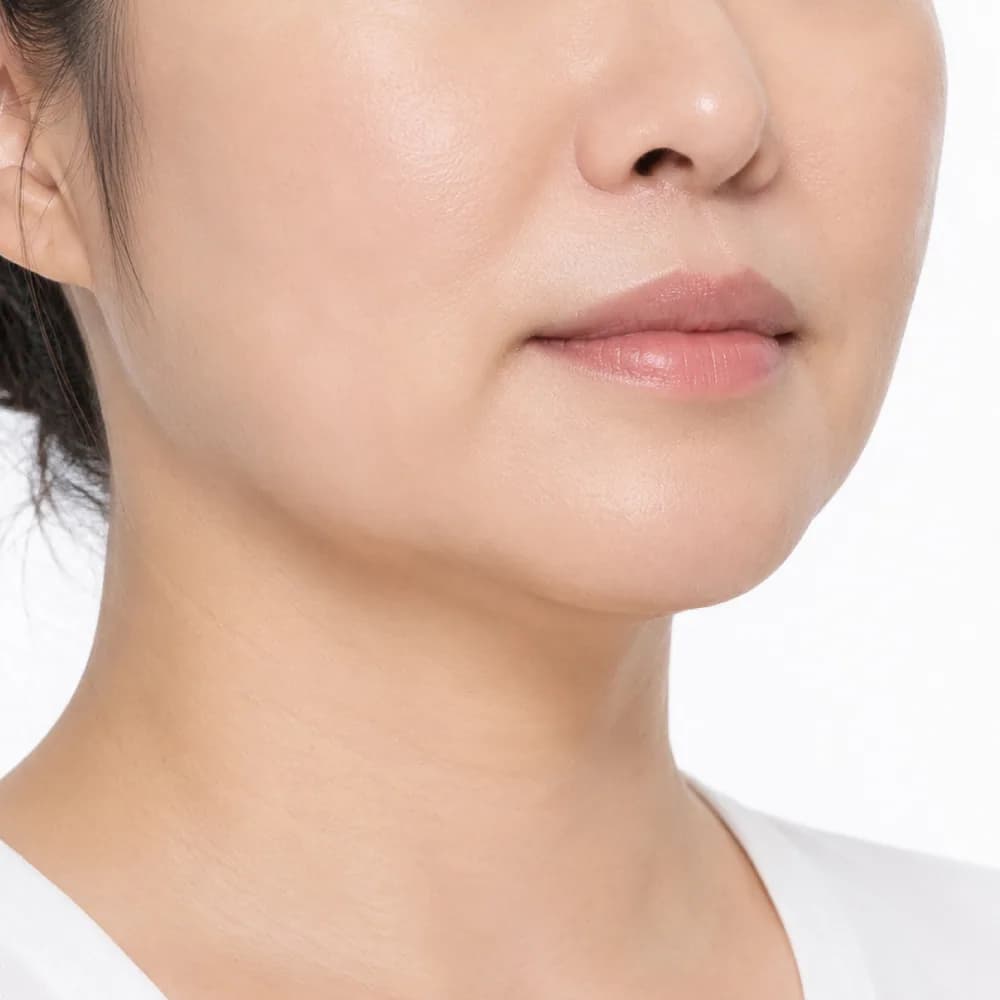
Soft-tissue laxity adding to cheek volume
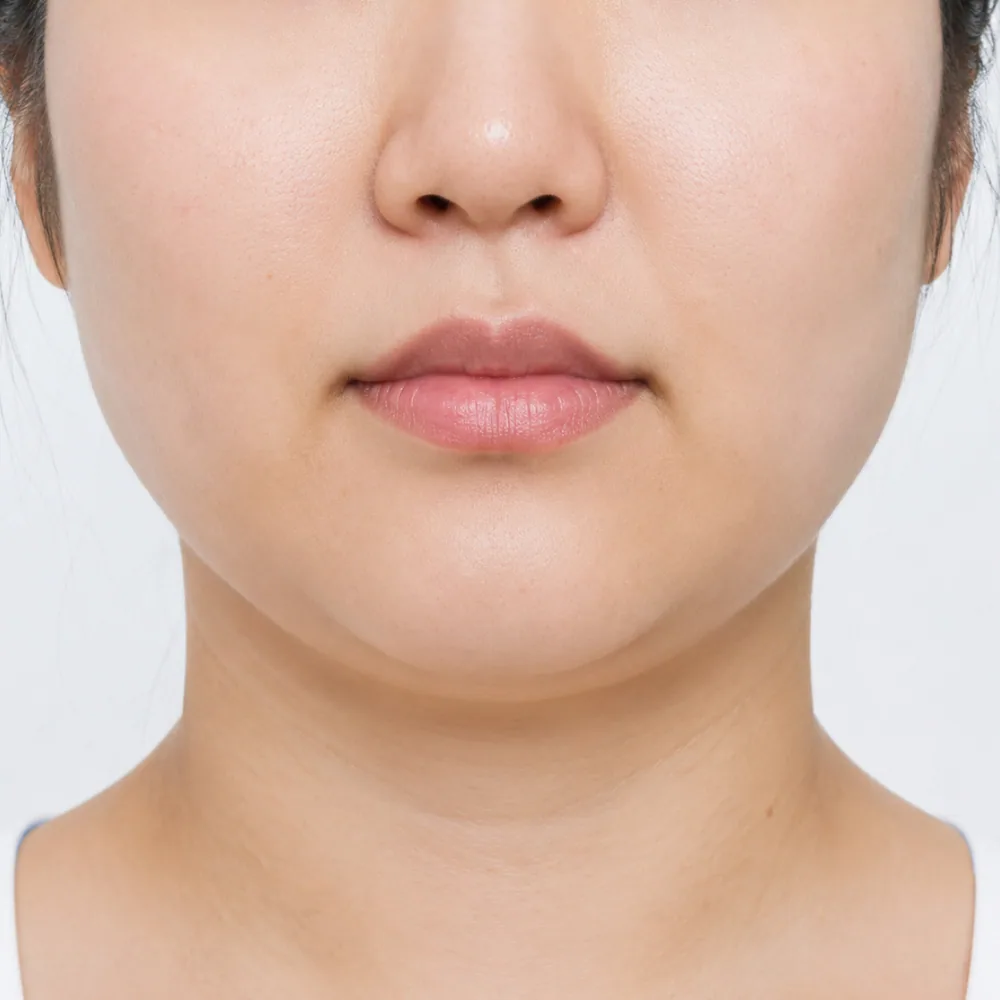
Fat, structure and skin contributing together
A consultation and physical assessment is required to confirm suitability — this page is general education, not a diagnosis.
Suggested options are selected after doctor assessment and may be combined according to suitability, response and goals.
Book Consultation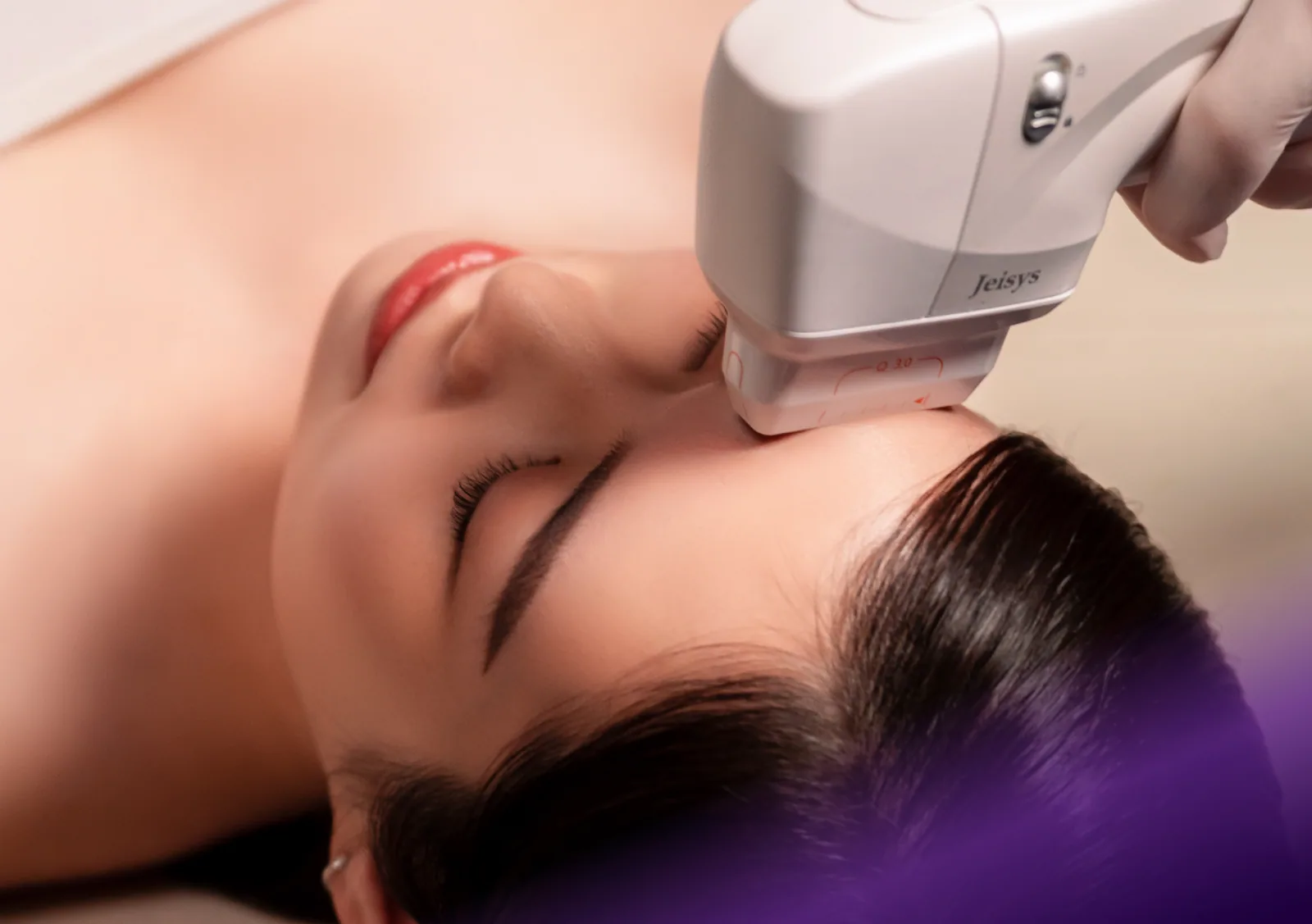 01
01Contour & Lift
Lifts and tightens mid-face tissue for a slimmer, more defined cheek profile.
 02
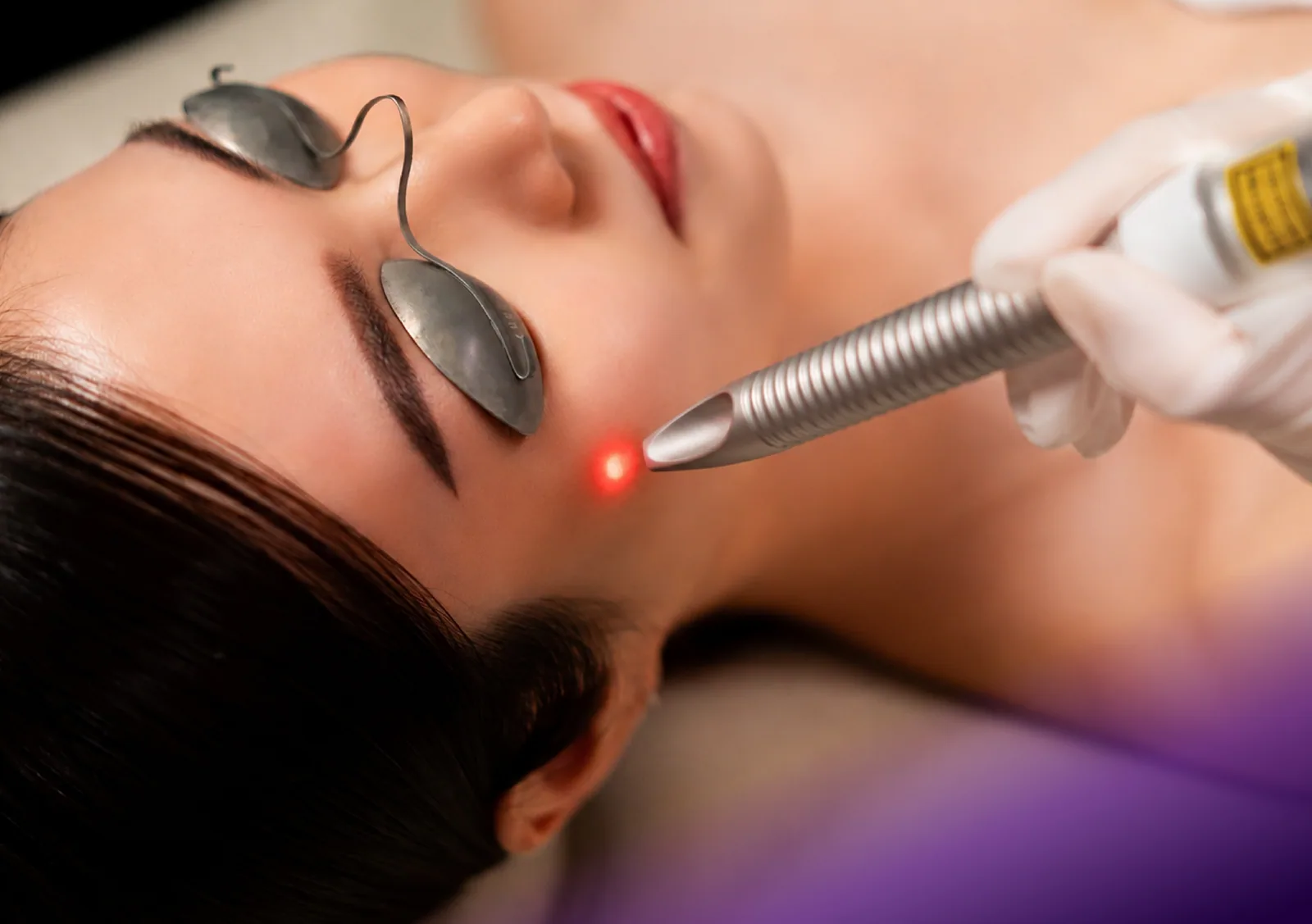
02Contour & Lift
Tightens skin and supports collagen remodelling for cheek and mid-face contouring.
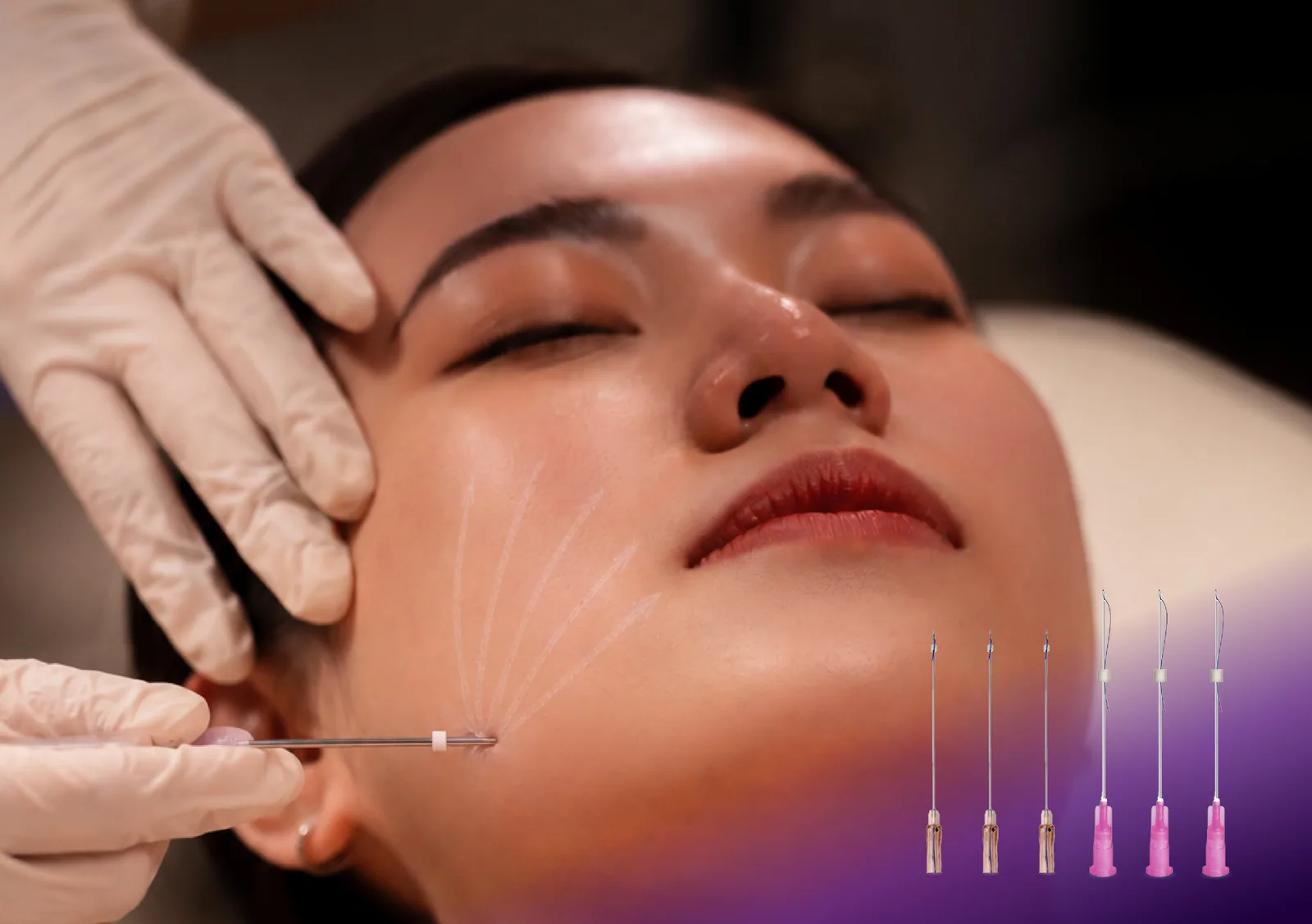 03
03Contour & Lift
Lifts and repositions sagging cheek tissue for a more sculpted mid-face.
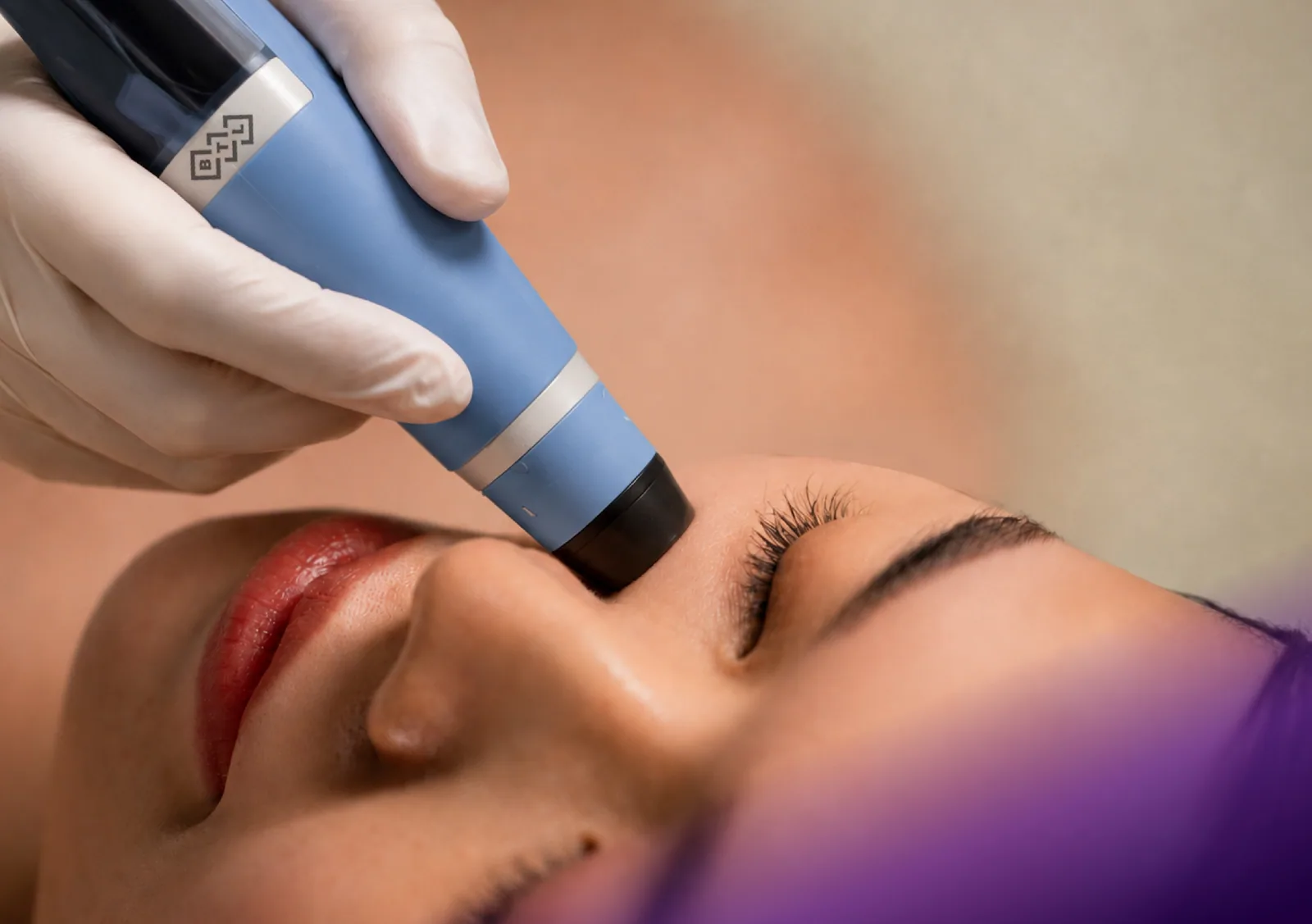 04
04RF-Based Contour & Tightening
Uses RF-based technology to tighten skin and refine cheek and mid-face contour.
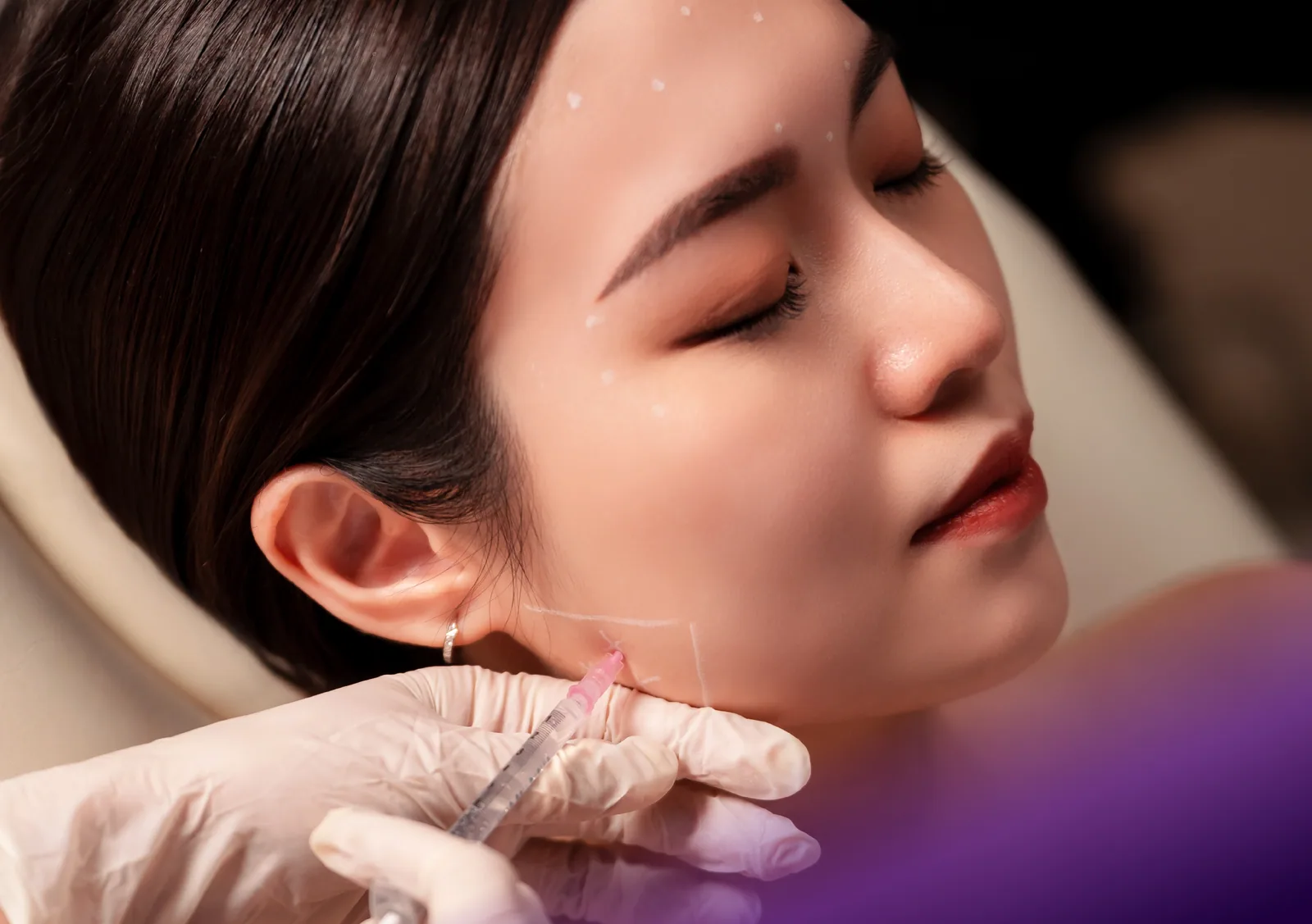 05
05Fat Reduction
Targets excess cheek or buccal fat where localised fat is contributing to facial fullness. Ask Clinic RX about Lipo V →
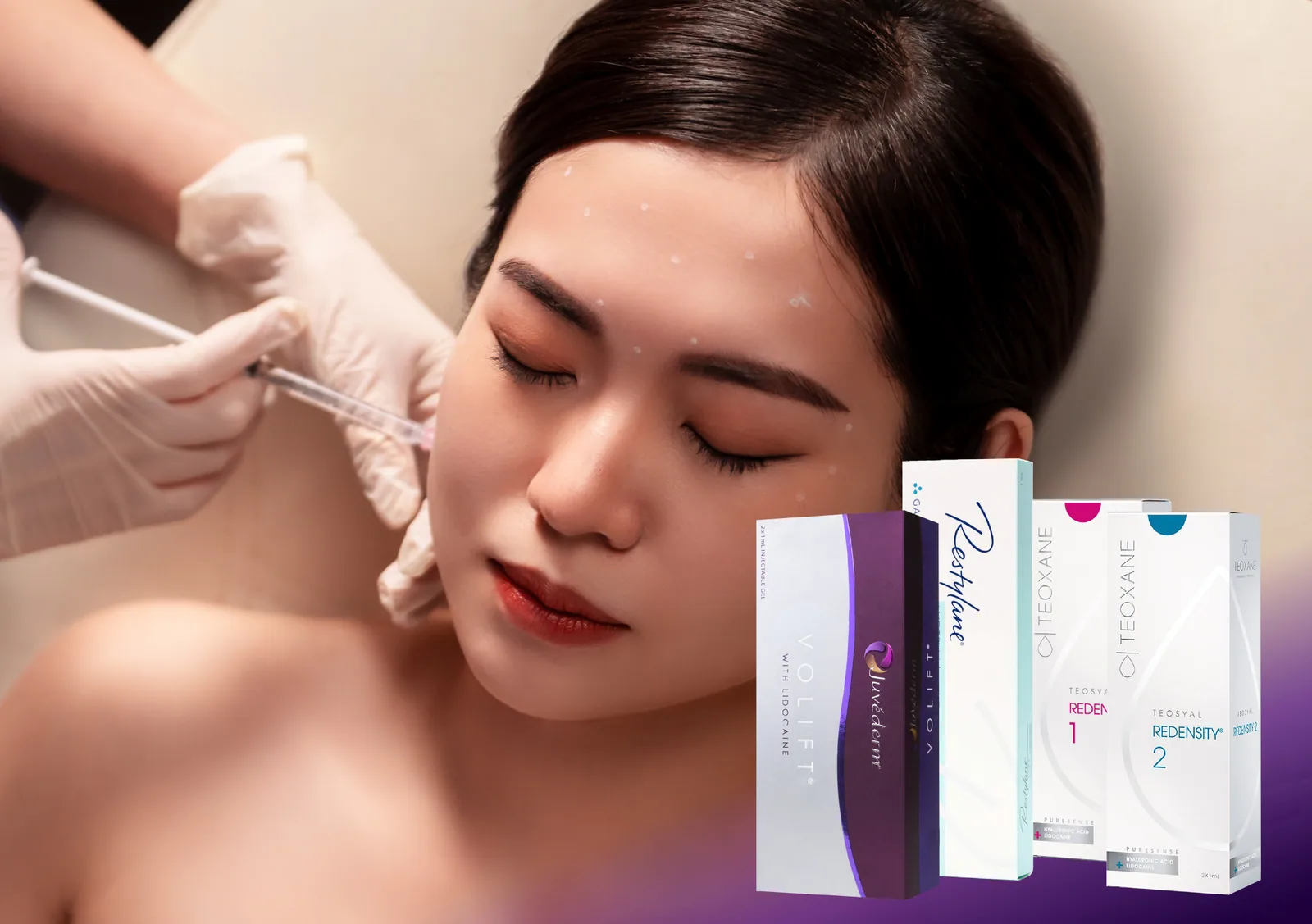 06
06Structural Balance
Adds strategic volume to selected areas where improving proportion can create a more balanced facial contour rather than simply reducing cheek volume.
A Clinic RX doctor can help you compare treatments based on your concern and goals.
All aesthetic treatments carry some risk, and individual response varies. Before treatment, your doctor will review your medical history and explain the risks specific to your recommended option. General considerations include:
This is general information, not medical advice. A full risk disclosure will be provided and discussed during your in-person consultation before consent is obtained.
View real before-and-after results of cheek contouring performed by Clinic RX doctors. Results vary based on facial structure and treatment consistency.
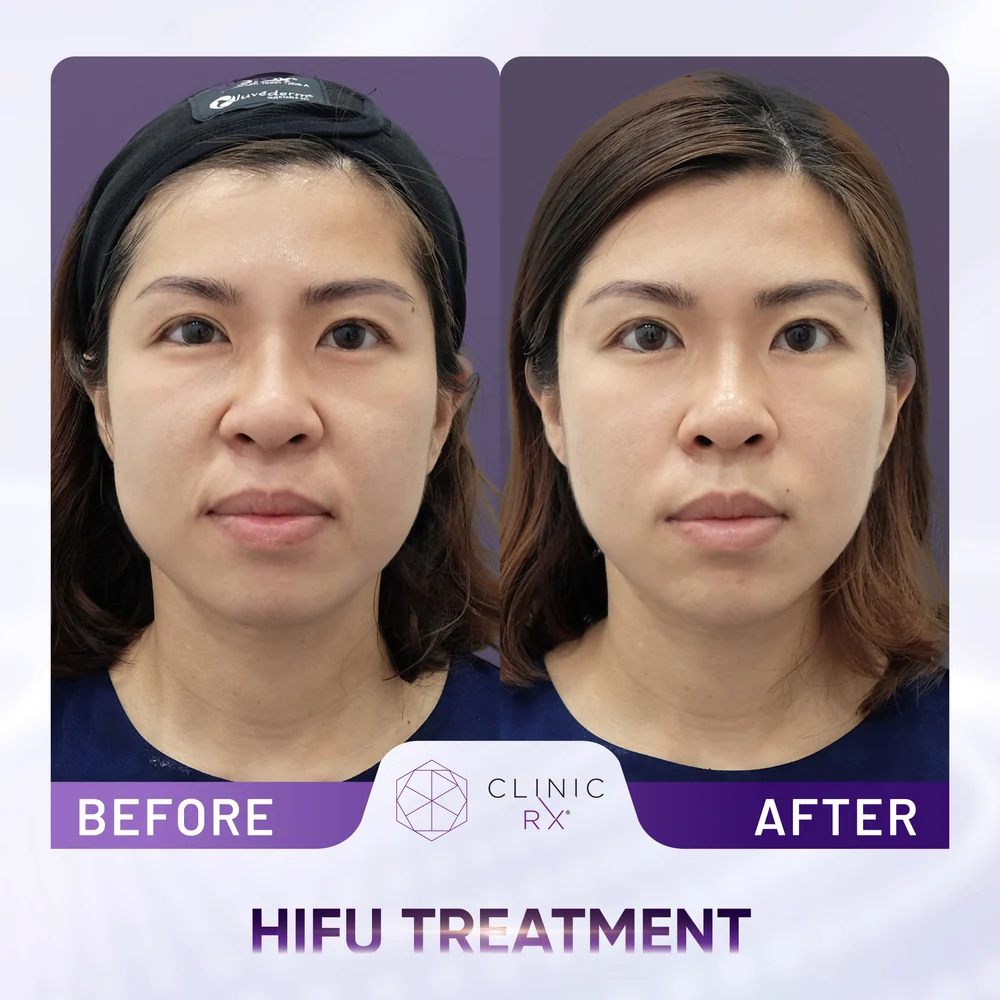
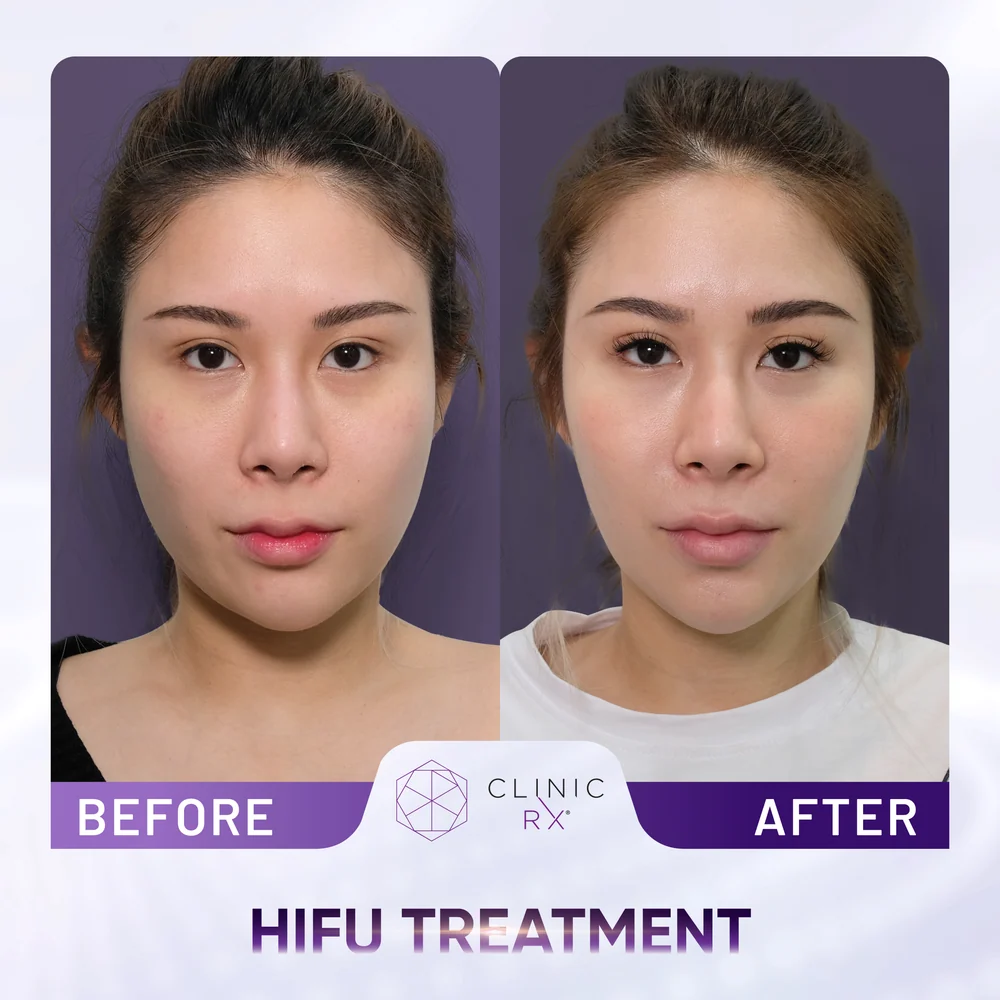
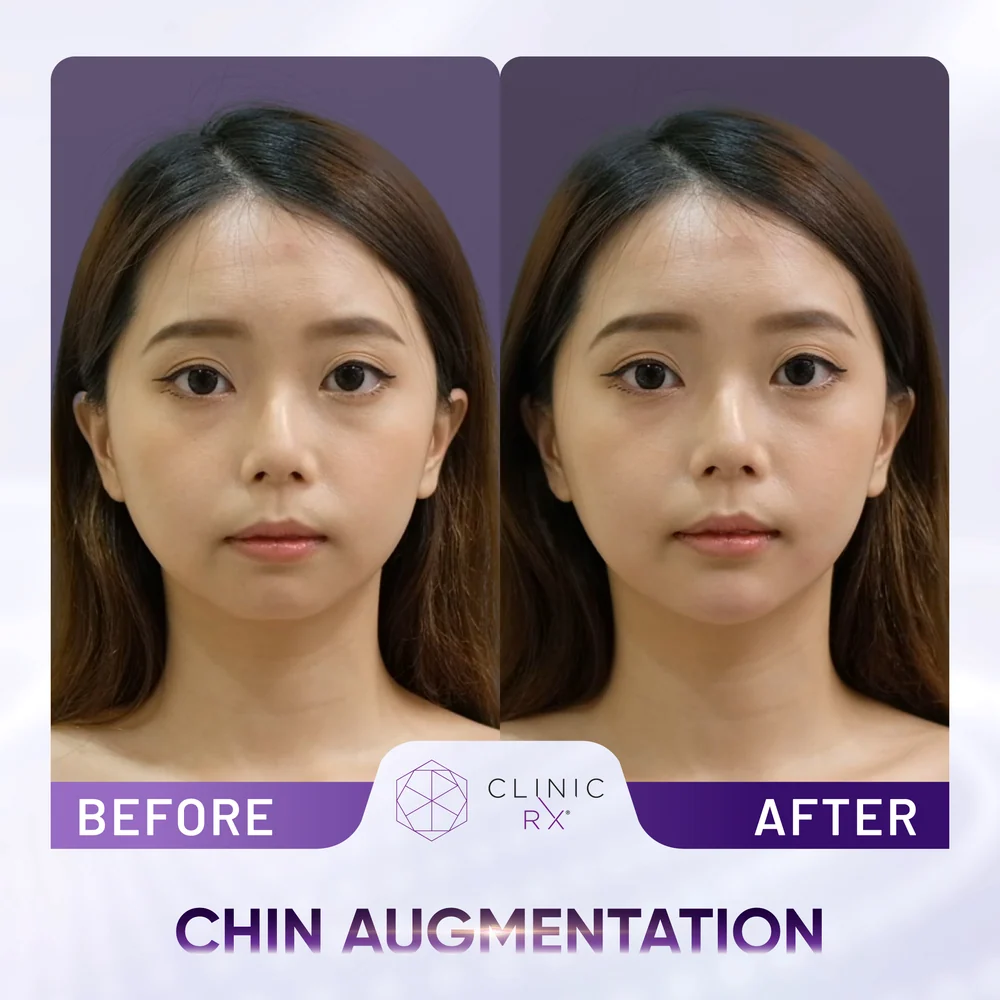
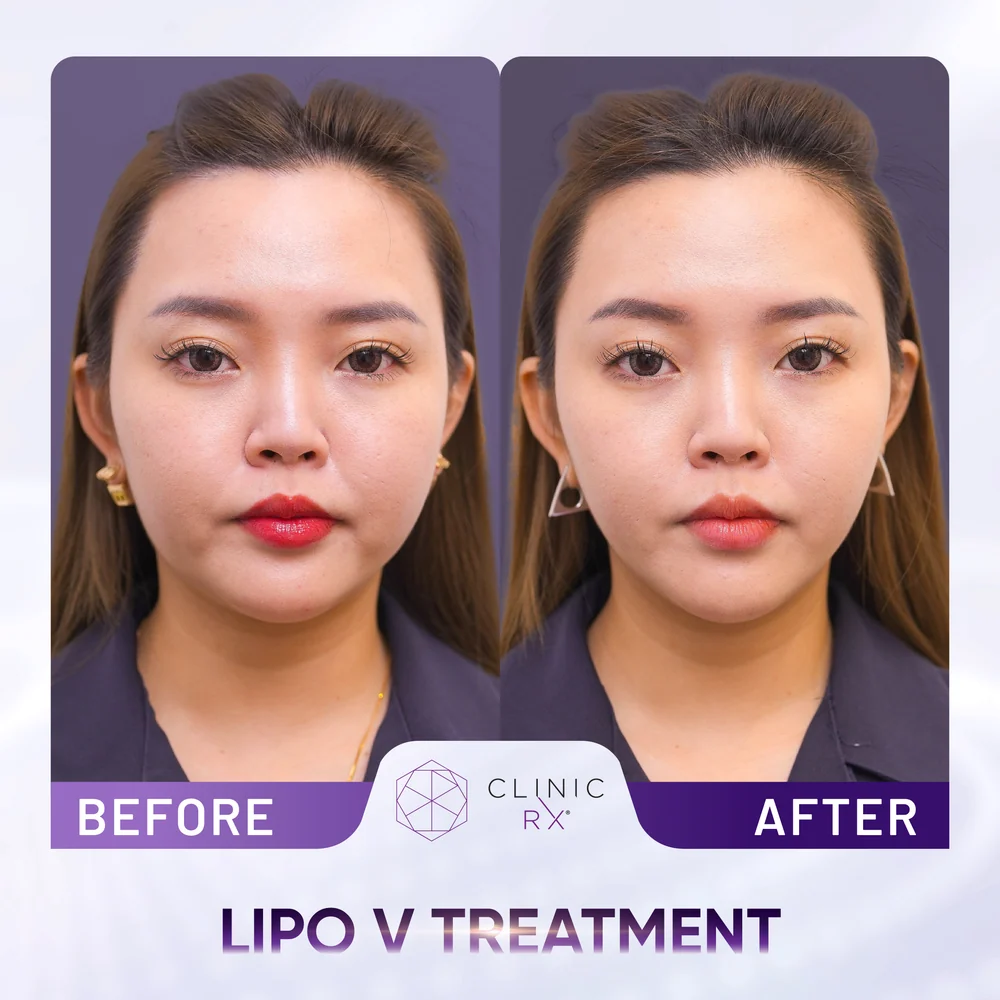
Depending on the underlying cause and treatment selected, patients may experience:
Cheek contouring results may be immediate or gradual depending on the treatment selected, and maintenance requirements vary between individuals.
Chubby cheeks can be related to prominent cheek or buccal fat pads, genetics, facial bone structure, weight changes, fluid retention, skin laxity or a combination of these factors.
Facial fullness is not determined by body weight alone. Genetics, facial structure and naturally prominent cheek fat pads can make the cheeks appear full even in people with a lower body weight.
A doctor can assess facial bone structure, fat distribution and skin laxity to determine what is contributing most to the fullness. More than one factor may be involved.
It depends on the cause. Non-surgical tightening and contouring treatments may be considered when skin laxity or soft-tissue position contributes to fullness. The appropriate option depends on facial anatomy.
Weight loss may reduce facial fullness in some people, but localised cheek fat and facial structure do not always change in proportion to overall body weight.
Exercise can support overall health and body-fat management, but it cannot selectively reduce fat from one specific area of the face.
There is no single best treatment. HIFU, Fotona 4D, Face Thread Lift, Exion, Lipo V or strategic Dermal Filler may be considered depending on whether the concern is mainly fat, skin laxity, soft-tissue position or facial proportion.
HIFU may improve cheek and lower-face contour when skin laxity or soft-tissue position contributes to the fuller appearance. It is not the right solution for every cause of cheek fullness.
Filler is not necessarily placed into the full part of the cheek. In selected patients, strategic volume elsewhere may improve facial proportion and create a more balanced contour without directly reducing cheek volume.
The timeline depends on the treatment selected. Some treatments create an immediate contour or lifting effect, while energy-based treatments may improve progressively over several weeks.
Most non-surgical cheek contouring treatments are not permanent. Duration and maintenance depend on the treatment, facial anatomy and individual response.
Pricing depends on the cause of the cheek fullness, treatment selected and individual plan. Final pricing is confirmed during consultation.
If you are unsure whether your cheek fullness is mainly related to fat, facial structure or skin laxity, a Clinic RX doctor can assess your mid-face and discuss which treatment options may be suitable for your concern and goals.
Treatment suitability, expected results, risks and maintenance vary between individuals and will be discussed during consultation.