Clinic RX Bukit Jalil
Kuala Lumpur, Malaysia
Mon–Fri, 10am–7pm | Sat, 9am–6pm
LASER & ENERGY
For facial firmness, mild skin laxity, jawline definition, fine lines, nasolabial folds and overall skin quality
At Clinic RX, Fotona 4D treatment is personalised according to your facial structure, skin condition, degree of laxity, treatment goals and individual response.
By combining intraoral and external laser treatment, Fotona 4D may help improve facial firmness, mild laxity, skin texture, fine lines and overall skin quality, with relatively minimal downtime for many patients.
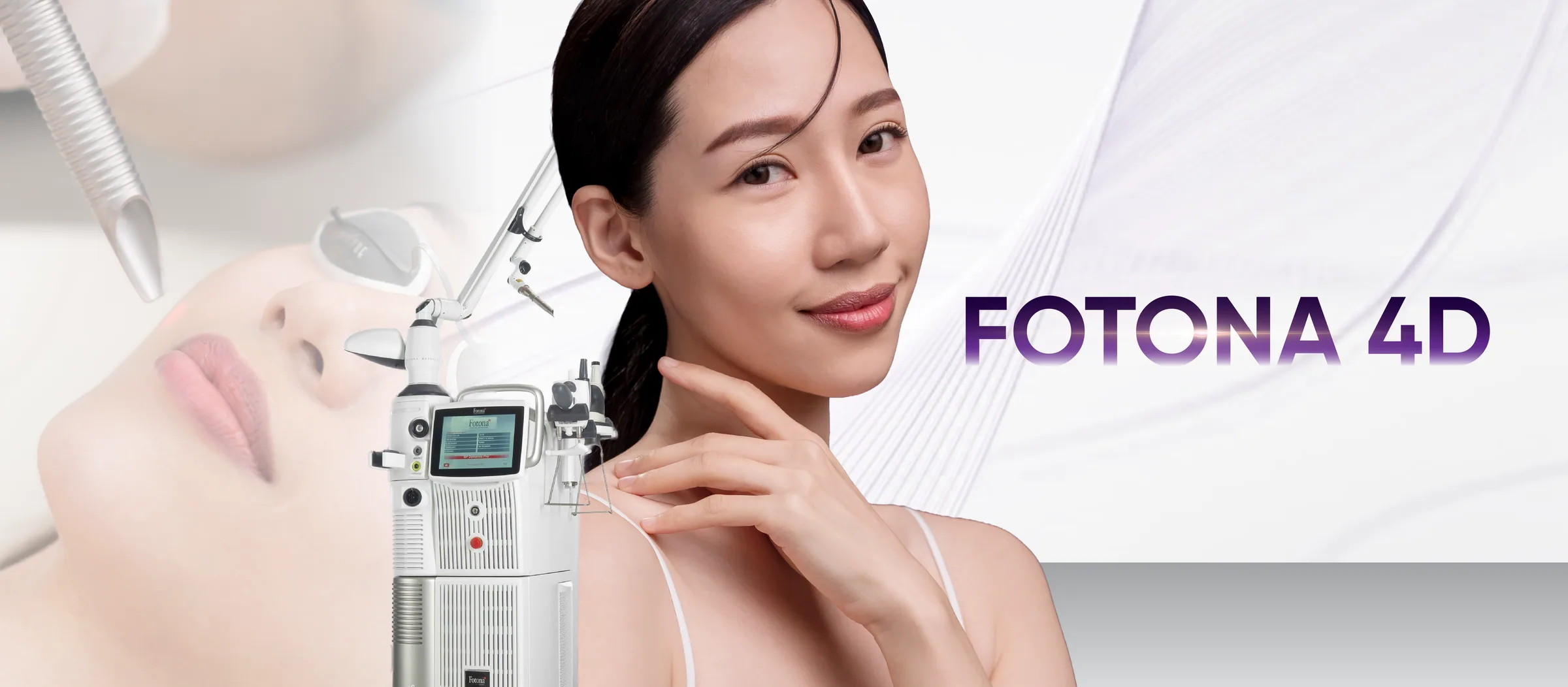
Fotona 4D is a non-invasive facial laser protocol that uses two complementary laser wavelengths, Nd:YAG and Er:YAG, across four treatment modes.
It is called “4D” because the protocol combines four different modes that work at different depths and from different directions. One stage is performed inside the mouth, while the remaining stages are performed externally over the skin.
Rather than focusing only on the skin surface, Fotona 4D uses a multi-step approach to support facial firmness, collagen remodelling and overall skin quality.
Fotona 4D works from both inside and outside the face. The intraoral stage delivers controlled laser energy from inside the mouth to tissue behind the cheeks and around the nasolabial area. The remaining stages work externally at different depths, from deeper heating to surface refinement.
Each stage has a different role, but the four modes are designed to work together. The treatment supports collagen remodelling and skin renewal to gradually improve firmness, texture and overall skin quality.

Fotona 4D is generally better suited to mild-to-moderate skin-quality and firmness concerns than severe skin laxity. The most appropriate treatment depends on your facial anatomy, degree of ageing and treatment goals.
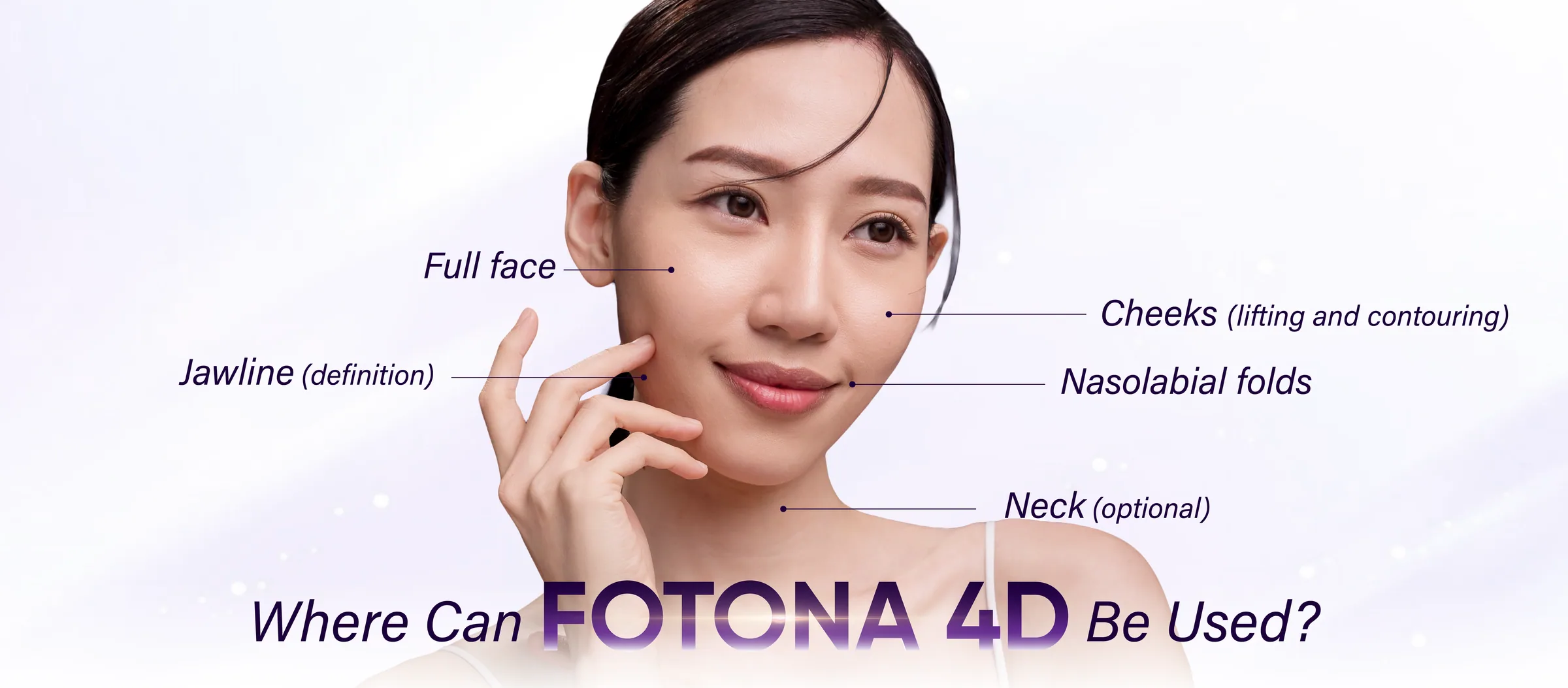
The areas treated and exact Fotona 4D protocol used will depend on your facial concerns, anatomy and medical assessment.
The exact sequence, settings and intensity may be modified according to your skin condition and treatment goals.
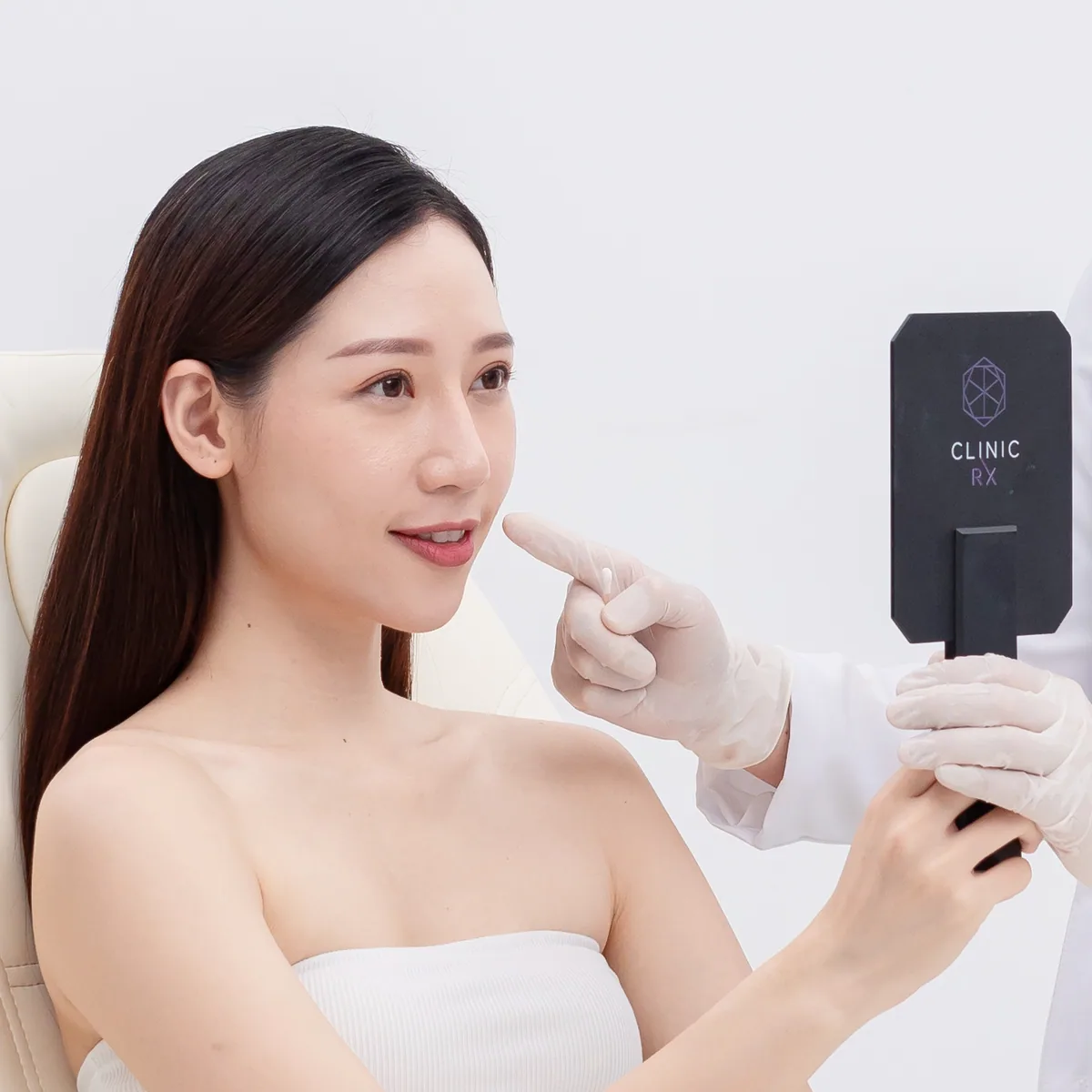
The doctor assesses your facial structure, degree of laxity, skin condition, treatment goals and suitability.
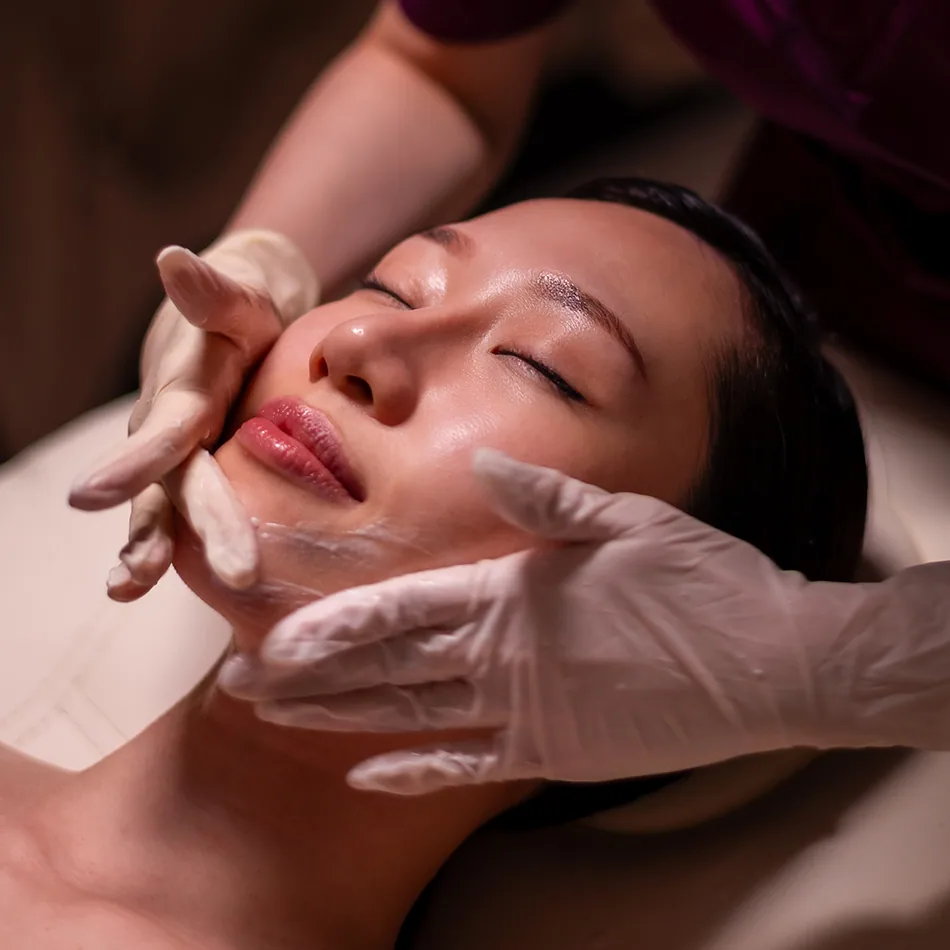
The face is cleansed and prepared for treatment.
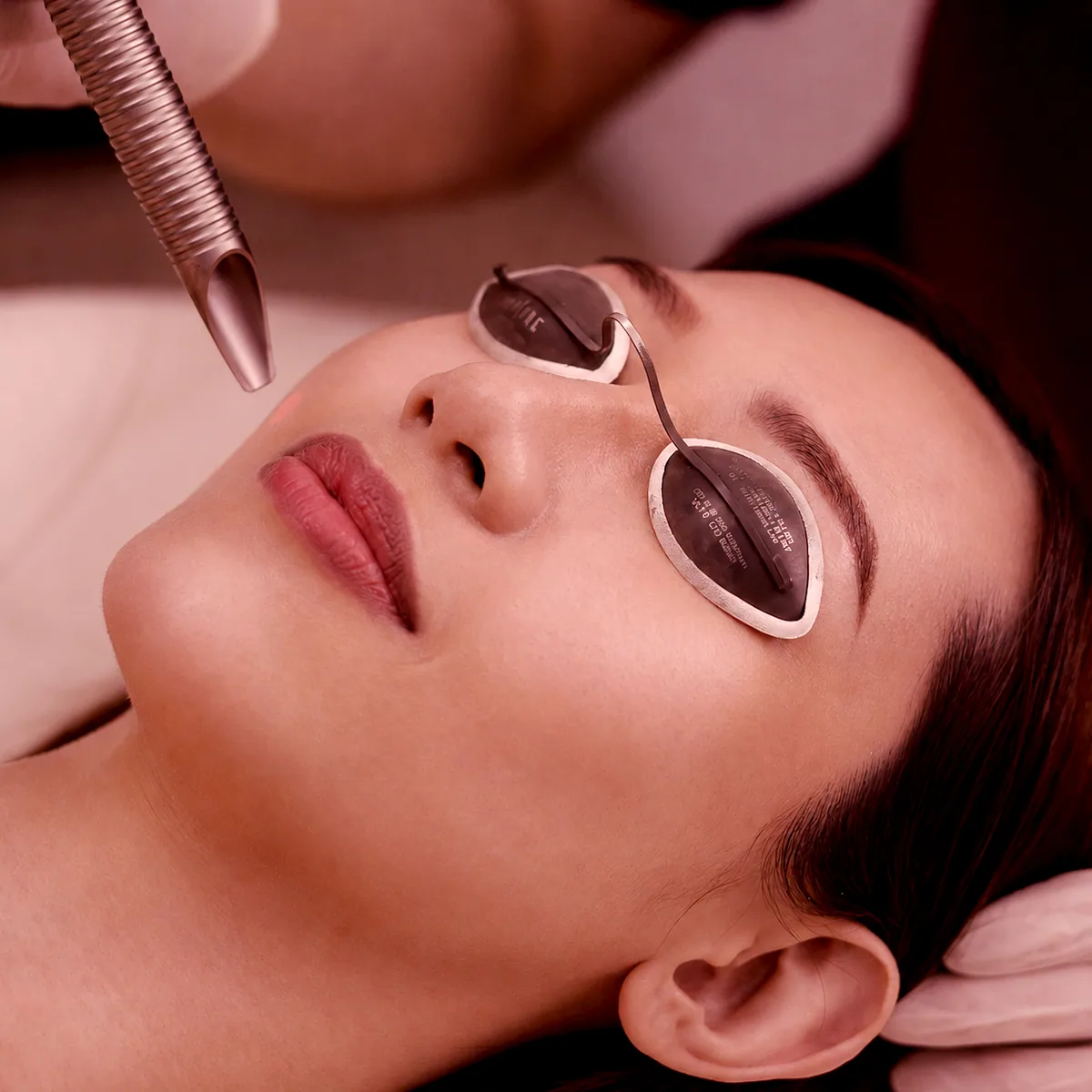
The four Fotona 4D modes are performed in sequence, including treatment from inside the mouth and over the external skin.
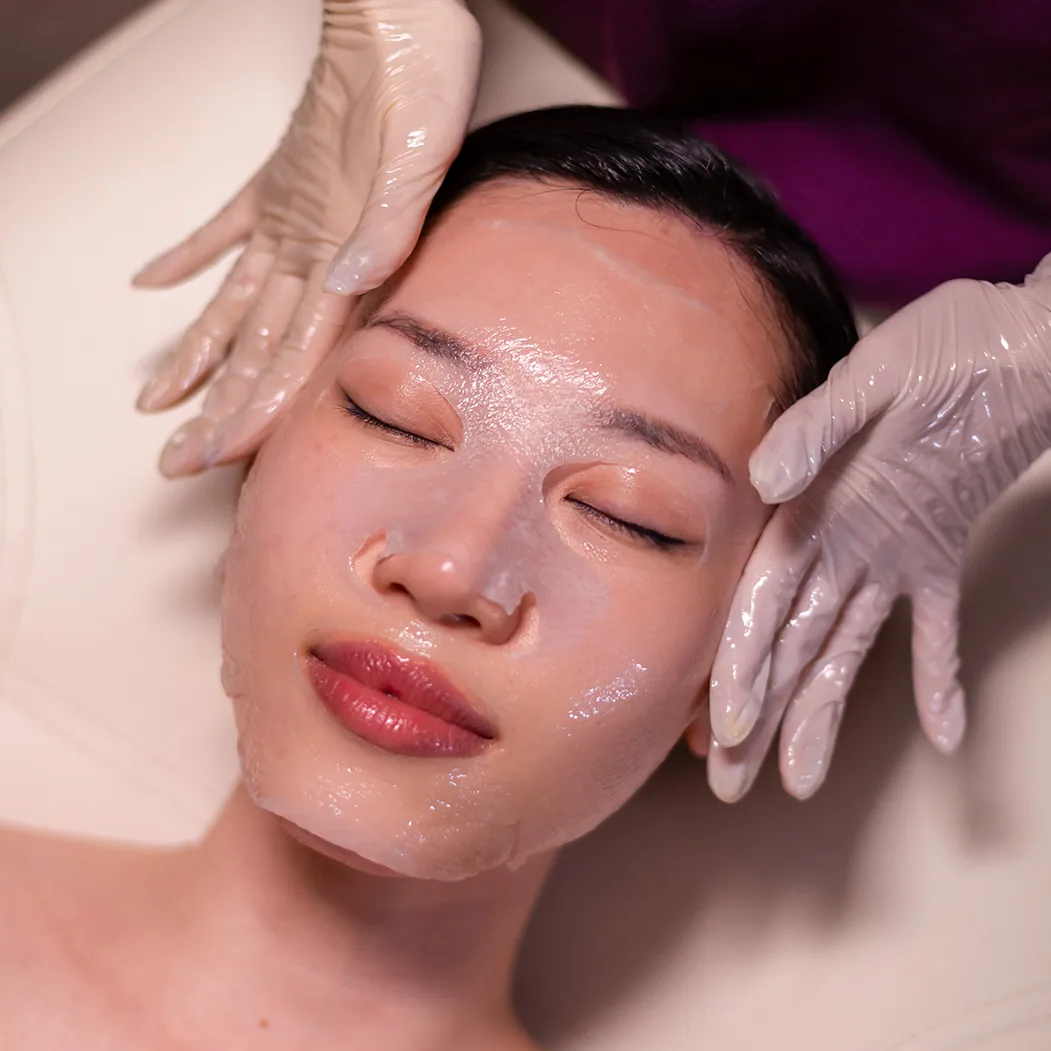
Calming or soothing care is applied when needed for comfort.

Aftercare guidance is provided according to your treatment settings and skin response.
Results are generally gradual rather than immediate because collagen remodelling takes time. Some patients may notice early improvement in skin freshness or firmness, while further changes develop over the following weeks.
The degree of improvement varies according to age, baseline skin laxity, facial anatomy, treatment settings, number of sessions and individual collagen response.
At Clinic RX, treatment settings are selected according to your facial structure and skin condition rather than simply using the strongest possible laser intensity.
Tell your doctor about your medical history, medications, recent aesthetic treatments and any history of cold sores or unusual reactions to laser treatment.
Fotona 4D is generally associated with relatively minimal downtime, but all laser procedures carry potential side effects and risks.
The likelihood and intensity of side effects vary according to the treatment settings, skin condition and individual response.
Downtime is usually minimal for many patients. Immediately after treatment, the skin may feel warm and appear mildly flushed or red.
Mild sensitivity may continue during the first 24–48 hours. Depending on the intensity of the superficial stage, some patients may also notice temporary dryness or surface sensitivity.
The cost of Fotona 4D varies according to the treatment plan, areas treated, protocol and number of sessions recommended.
At Clinic RX, the appropriate treatment plan and pricing can be discussed after your facial structure, skin condition and treatment goals have been assessed.
Contact your preferred Clinic RX location offering Fotona 4D for current consultation, availability and pricing.
Fotona 4D is available at selected Clinic RX locations, including:
Treatment availability may change, so please contact your preferred Clinic RX location to confirm current availability and arrange a consultation.
Fotona 4D is a non-surgical facial laser protocol that combines four complementary Nd:YAG and Er:YAG laser modes, including treatment from inside the mouth and over the external skin surface.
It is called 4D because the protocol combines four treatment modes — SmoothLiftin™, FRAC3®, PIANO® and SupErficial™ — that work at different levels of the face and skin.
Fotona 4D may help selected concerns including mild facial laxity, reduced firmness, jawline definition, nasolabial folds, fine lines, skin texture and overall skin quality.
Fotona 4D may improve the appearance of mild facial laxity and firmness in suitable patients. It is not a surgical facelift and should not be expected to correct severe skin laxity.
Improved lower-face firmness may make the jawline appear more defined in suitable patients. If poor definition is mainly caused by excess fat, significant laxity or facial structure, another treatment approach may be more appropriate.
The intraoral SmoothLiftin™ stage treats tissue behind the cheeks and around the nasolabial region and may improve selected folds through collagen remodelling. Deeper folds caused by substantial volume loss may require a different approach.
No. Fotona 4D uses laser energy delivered externally and, during the SmoothLiftin™ stage, from inside the mouth.
Treatment sensation varies. Patients may feel warmth or heat during some stages, depending on the treatment mode, settings and individual sensitivity.
Downtime is usually minimal for many patients, although temporary redness, warmth, sensitivity, mild swelling or surface dryness may occur depending on treatment intensity.
Some patients may notice early changes in skin freshness or firmness, while collagen-related improvement generally develops progressively over the following weeks.
Duration varies according to age, skin condition, treatment course, lifestyle and natural collagen response. Natural ageing continues, so maintenance treatment may be recommended.
There is no fixed number for everyone. The recommended course depends on the degree of laxity, skin quality, individual response and treatment goals.
This page provides general information about Fotona 4D and does not replace an individual medical consultation. Treatment suitability, settings, expected results, number of sessions and potential risks vary between individuals.