Clinic RX Bukit Jalil
Kuala Lumpur, Malaysia
Mon–Fri, 10am–7pm | Sat, 9am–6pm
BODY CONDITION
Learn what causes excessive sweating, how primary and secondary hyperhidrosis differ, and which doctor-led treatment options may help reduce sweating in affected areas.
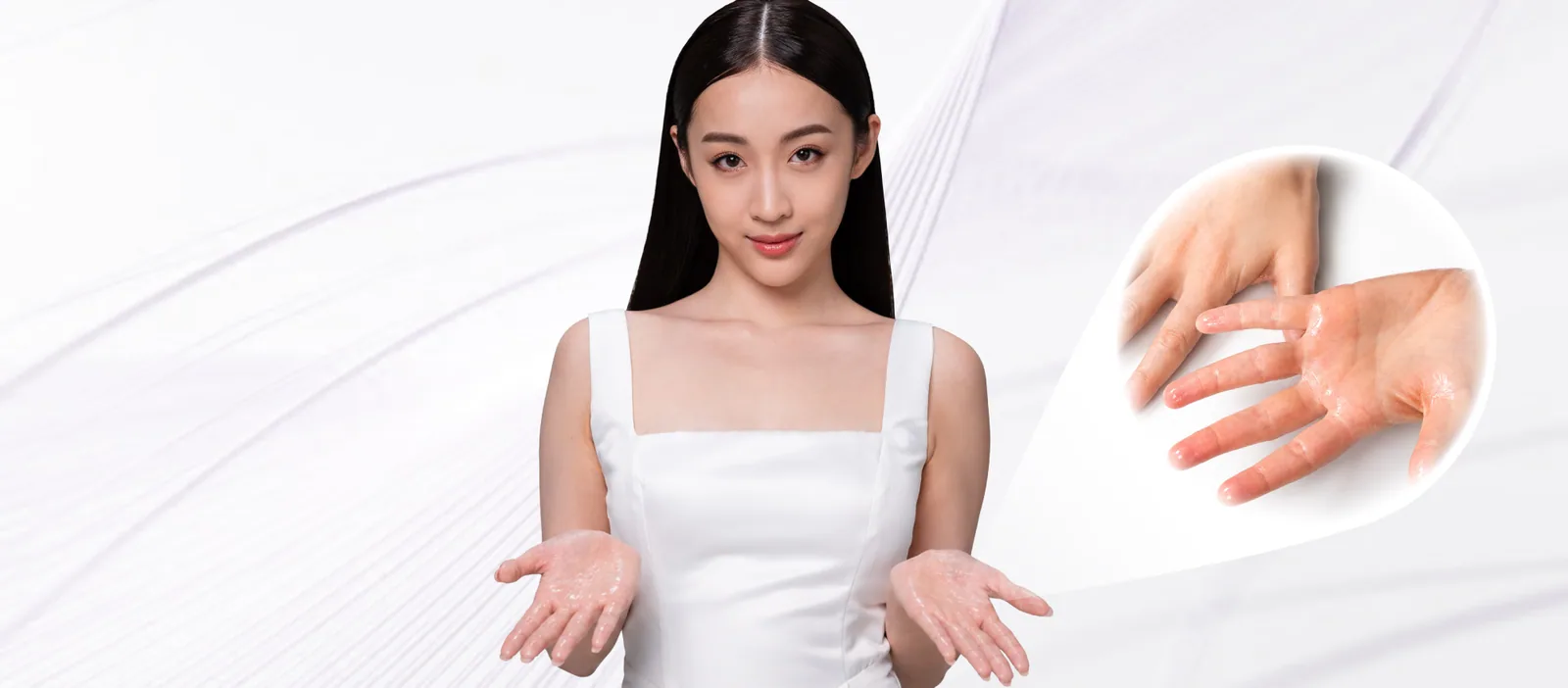
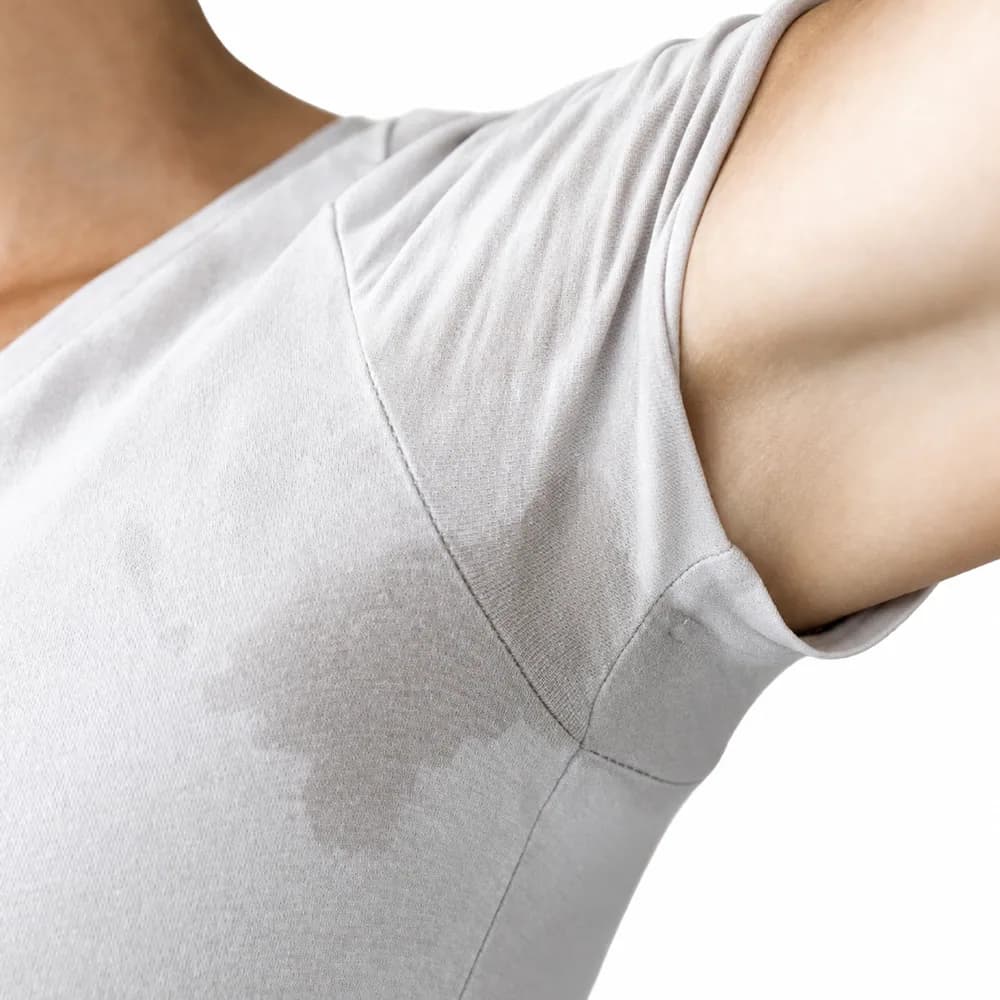
Hyperhidrosis is excessive sweating that occurs beyond what the body needs for normal temperature regulation.
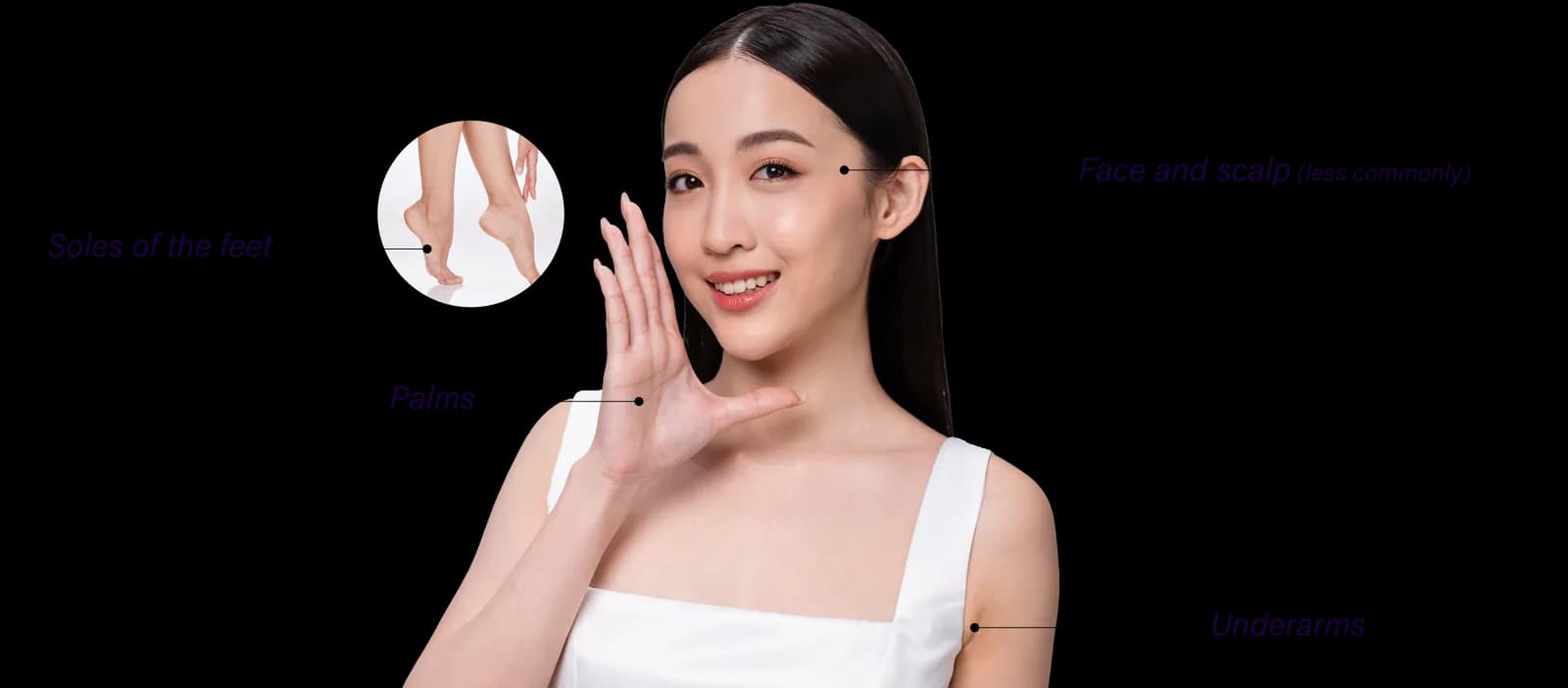
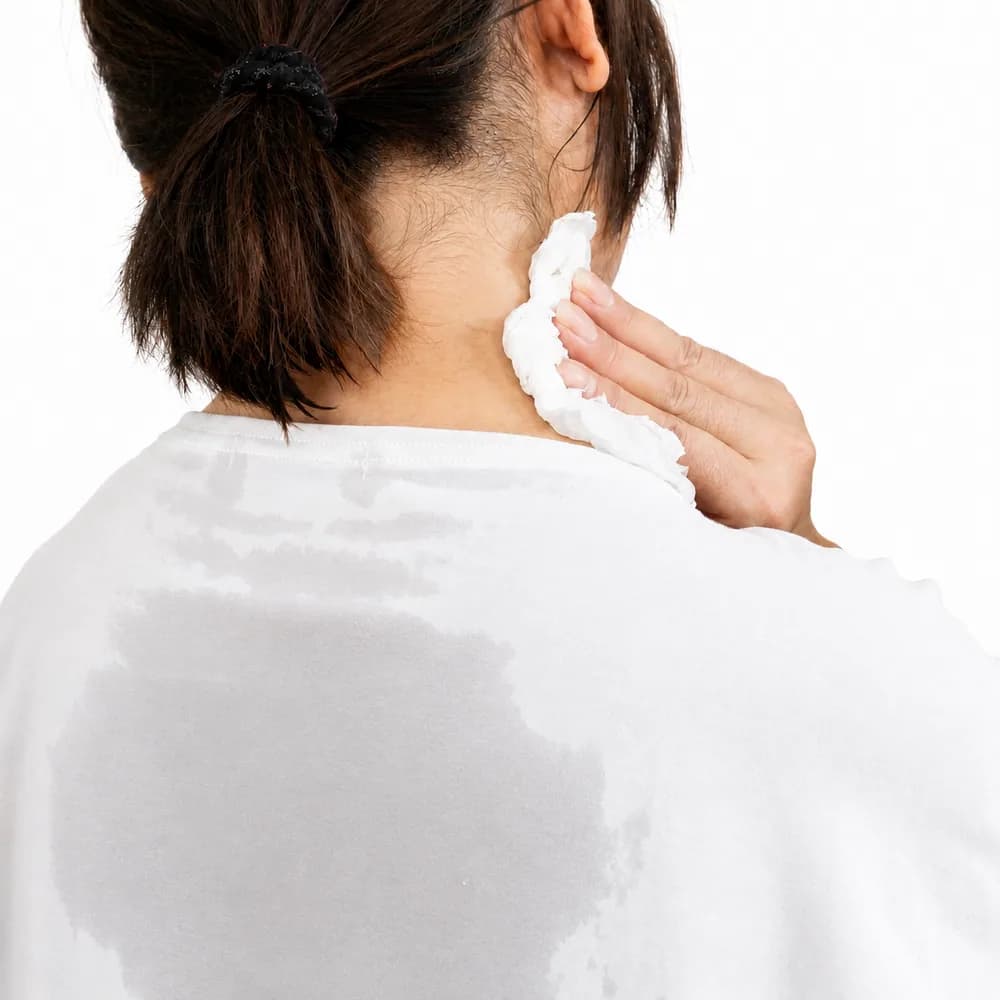
It may affect specific areas such as the underarms, palms or soles, or occur more generally across the body. Persistent excessive sweating can interfere with clothing, work, exercise, social situations and everyday comfort.
Assessment is important because excessive sweating may be primary hyperhidrosis or, in some cases, secondary to a medical condition or medication.
Excessive sweating is not always simply caused by heat or nervousness. We assess where the sweating occurs, how long it has been happening and whether there are signs of an underlying trigger before discussing treatment.
Hyperhidrosis can be related to:
Primary focal hyperhidrosis usually affects specific areas without another medical cause. Secondary hyperhidrosis should be assessed for the underlying trigger rather than treated as a purely aesthetic concern.
Excessive sweating in specific areas such as the underarms, palms or soles without an identified underlying medical cause
Excessive sweating associated with an underlying medical condition or medication

Sweating affecting much of the body rather than one localised area
A consultation and physical assessment is required to confirm suitability — this page is general education, not a diagnosis.
The current Clinic RX Hyperhidrosis page lists Botulinum Toxin for excessive sweating. Treatment is selected after doctor assessment according to the affected area, severity, suitability and goals.
Book Consultation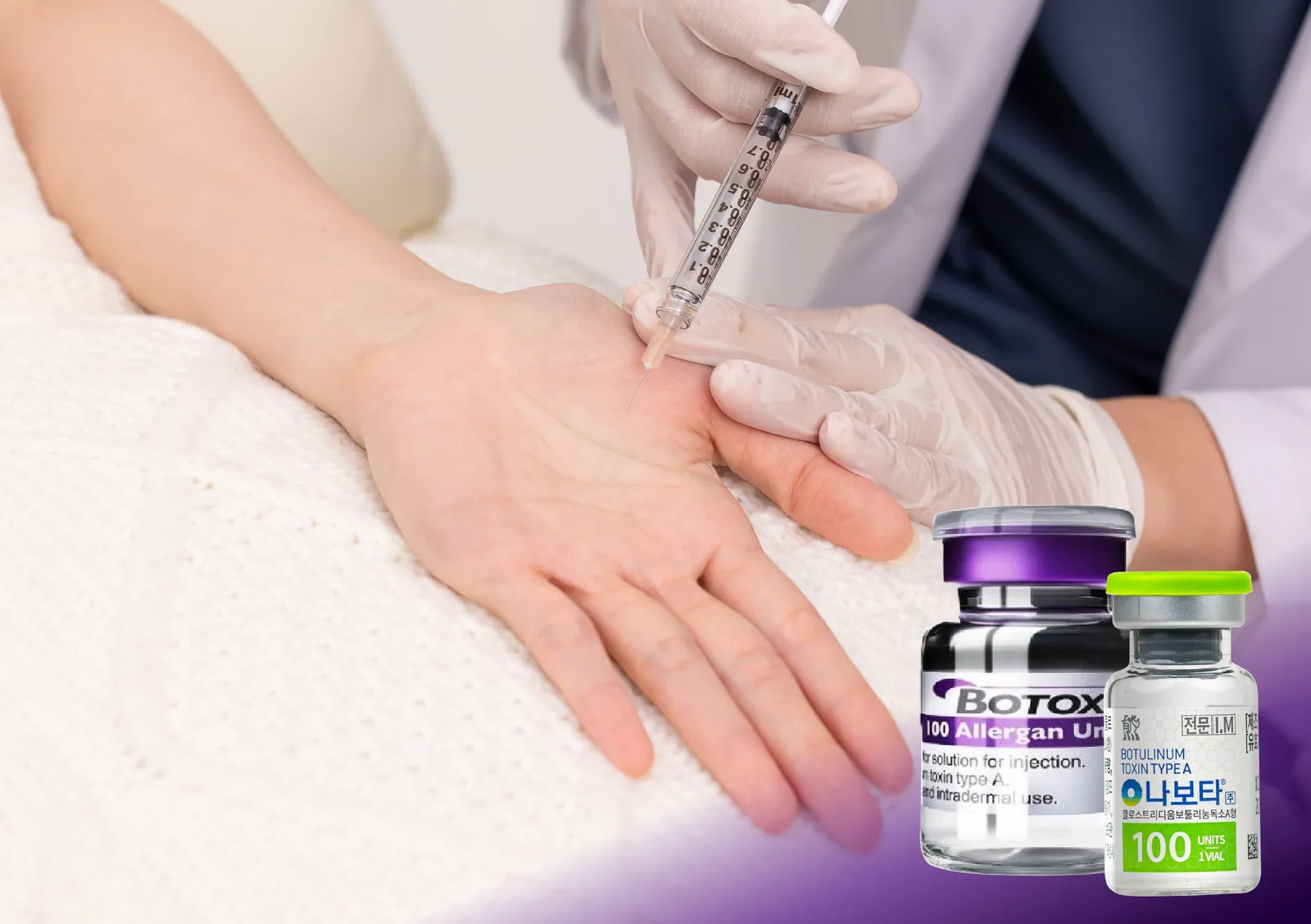 01
01Excessive Sweating
Botulinum Toxin can be injected into selected areas to temporarily reduce nerve signals that activate sweat glands, helping decrease excessive sweating in areas such as the underarms, palms or soles.
A Clinic RX doctor can assess the pattern and severity and discuss whether Botulinum Toxin may be appropriate.
Botulinum Toxin is a medical treatment and carries potential risks. Before treatment, your doctor will review your medical history, medications, treatment area and suitability.
This is general information, not medical advice. A full risk disclosure will be provided and discussed during your in-person consultation before consent is obtained.
Suitable patients may experience:
The results is temporary and typically lasts several months, so maintenance treatment may be considered when sweating returns.
Hyperhidrosis is excessive sweating beyond what is needed for normal temperature regulation. It may affect specific areas such as the underarms, palms or soles, or occur more generally.
Primary hyperhidrosis can cause excessive sweating even without heat or exercise because the nerves that activate sweat glands are overactive. Other medical or medication-related causes should be considered when appropriate.
Primary focal hyperhidrosis usually affects specific areas without an identified underlying medical cause. Secondary hyperhidrosis is associated with another medical condition or medication and may require investigation of that cause.
It can be. Primary focal hyperhidrosis may run in families, although not everyone with excessive sweating has a family history.
Stress and anxiety can trigger or worsen sweating, but primary hyperhidrosis is not simply an anxiety problem. People may sweat excessively even when they do not feel anxious.
Antiperspirants can help reduce sweating, but they may not provide enough control for more significant hyperhidrosis. A doctor can assess whether a medical treatment is appropriate.
Botulinum Toxin temporarily blocks nerve signals that stimulate sweat glands in the treated area, reducing sweat production.
Sweating reduction develops gradually after Botulinum Toxin treatment. The full effect is generally assessed over approximately 1–2 weeks.
The results is temporary, typically lasting several months. Maintenance treatment may be considered when excessive sweating returns.
If excessive sweating is affecting your underarms, palms, soles or other areas, a Clinic RX doctor can assess the sweating pattern, severity and medical history and discuss whether treatment may be suitable.
Sudden, generalised or unexplained sweating may require further medical assessment to exclude an underlying cause. Treatment suitability, expected results, risks and maintenance vary between individuals and will be discussed during consultation.