Clinic RX Bukit Jalil
Kuala Lumpur, Malaysia
Mon–Fri, 10am–7pm | Sat, 9am–6pm
SKIN CONDITION
Learn what causes rough, bumpy or uneven skin texture, enlarged pores and irregular skin surface, and which doctor-led treatments may help refine and smooth the skin.
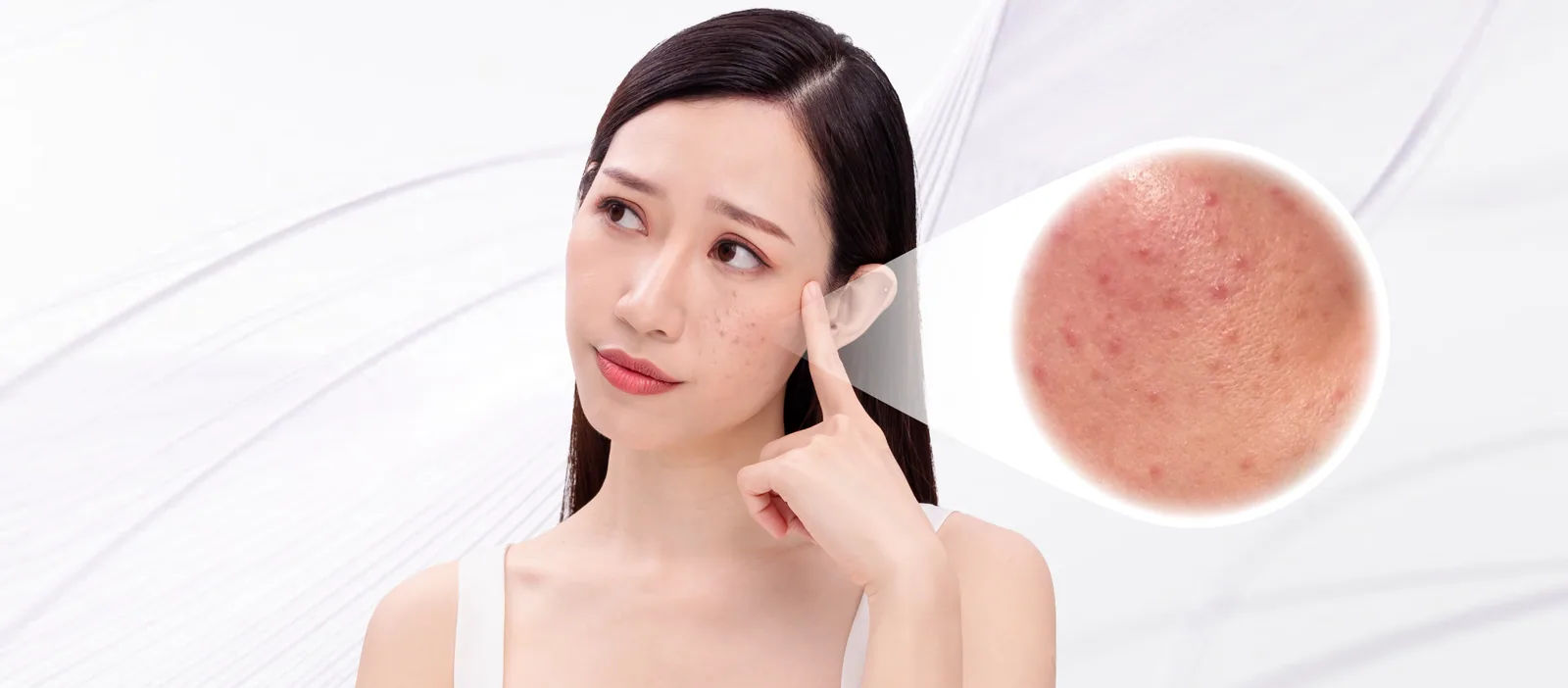
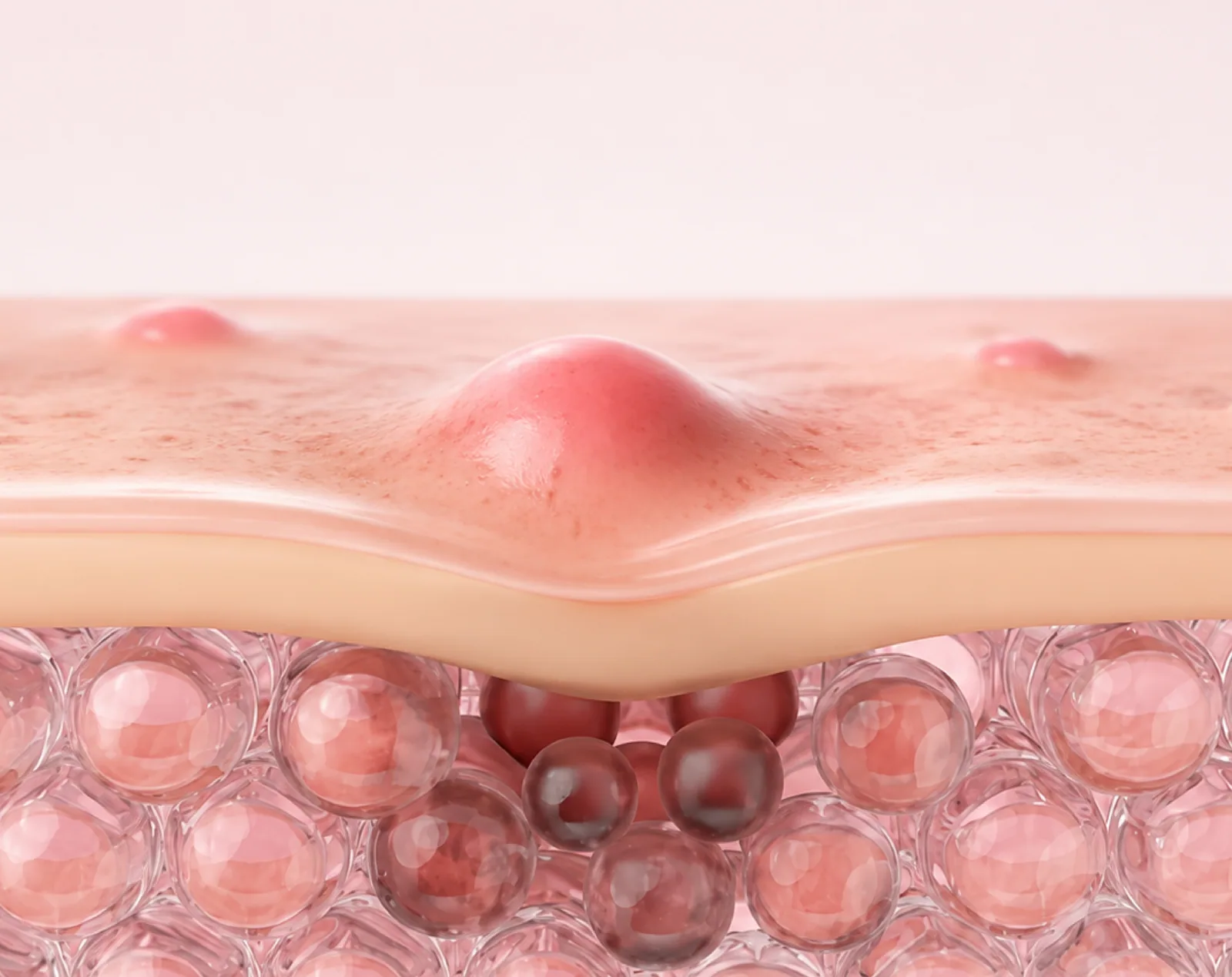
Uneven skin texture develops when the skin surface becomes rough, bumpy or irregular due to dead skin cell buildup, enlarged or clogged pores, past acne, sun damage, dehydration or age-related collagen loss.
Textural irregularities may remain visible under makeup or certain lighting and can become more noticeable when skin turnover slows or the skin barrier is weakened.
Assessment helps determine whether the main concern is surface buildup, congestion, enlarged pores, acne-related irregularity or deeper collagen loss.
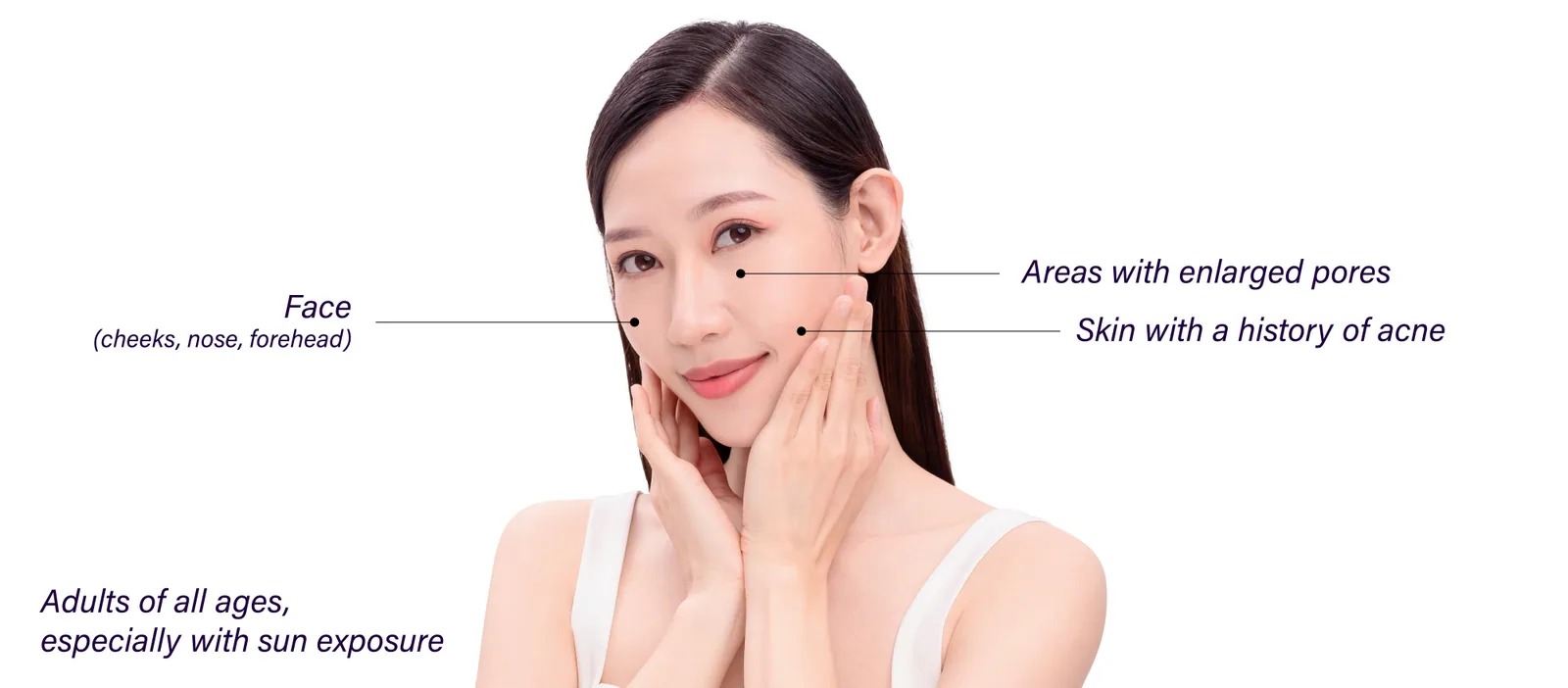
Uneven texture can come from several layers of the skin. We look at whether the main issue is congestion, dead skin buildup, enlarged pores, acne-related changes or collagen loss before choosing between cleansing, resurfacing and skin-remodelling treatments.
Uneven skin texture can be caused by a combination of factors, including:
Because texture has multiple causes, effective treatment may need to address both surface renewal and deeper skin quality.
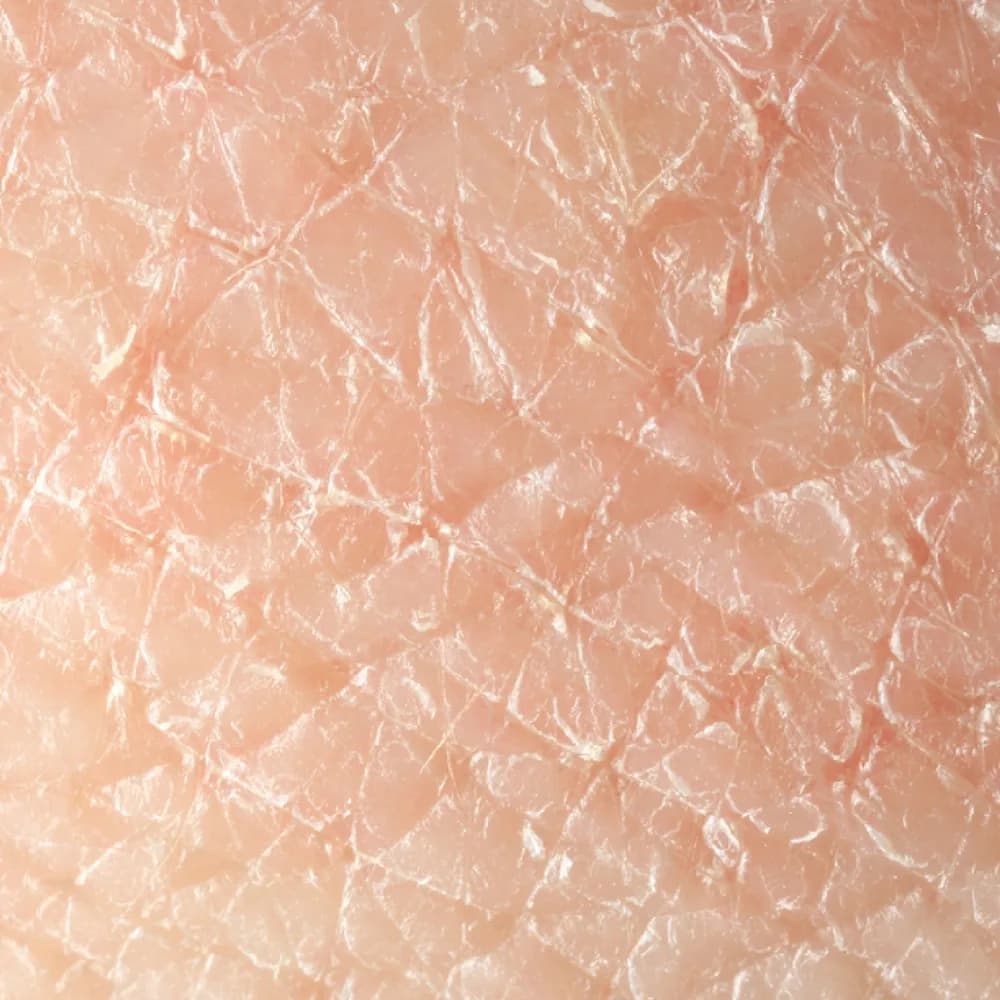
Flaky or uneven surface related to dead skin buildup or dehydration
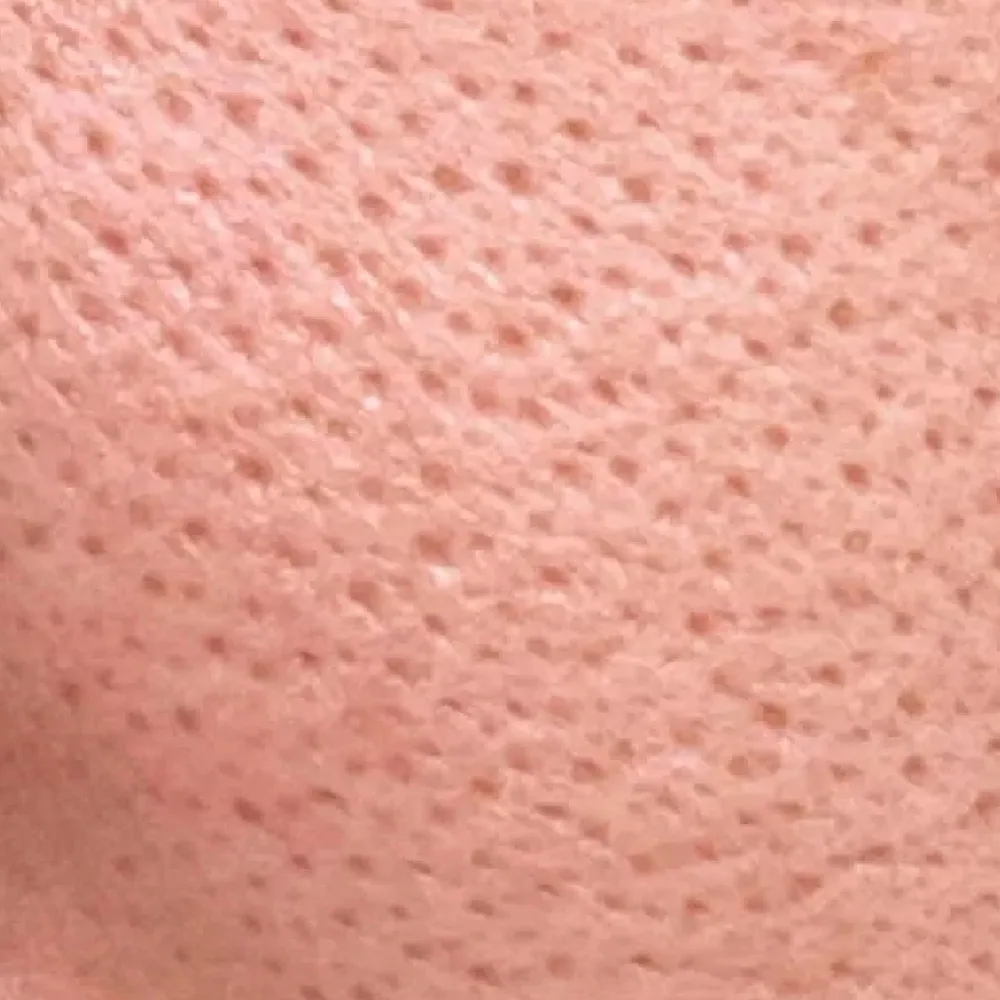
Visible pores, often more noticeable on the cheeks, nose or forehead
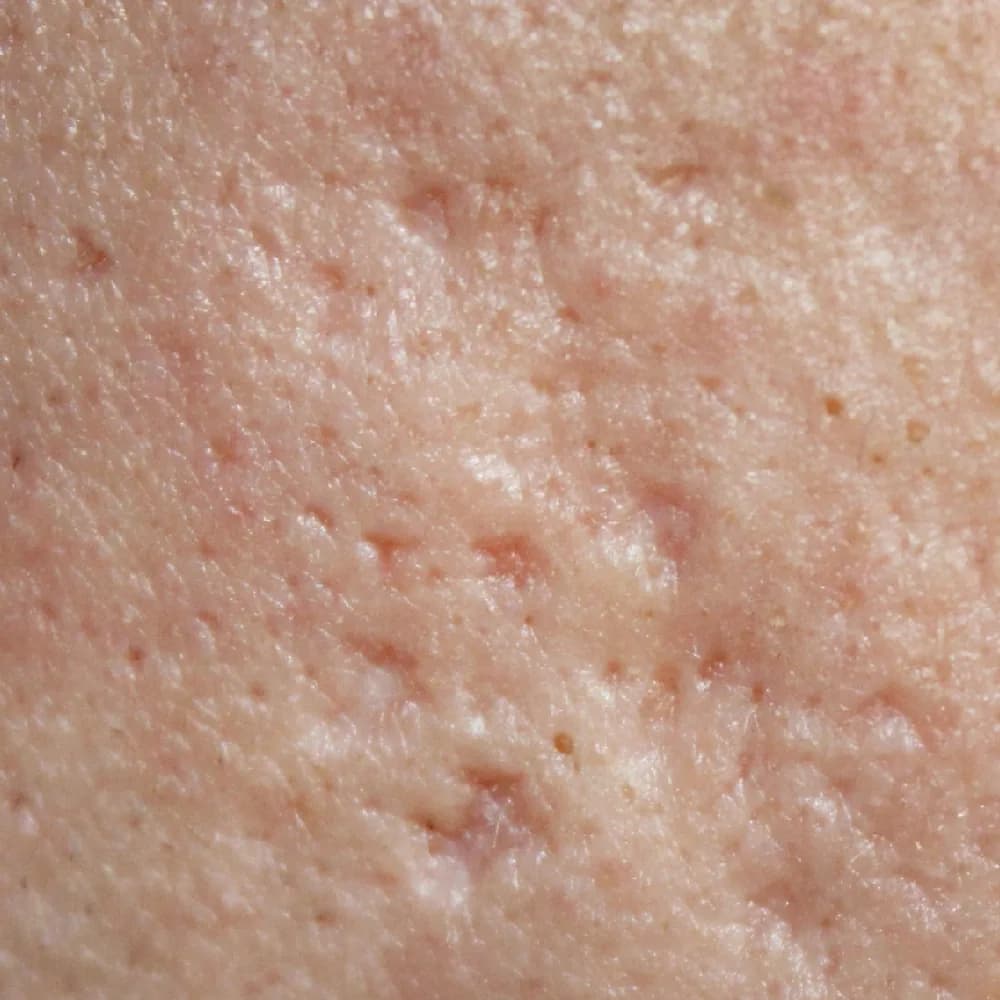
Small bumps or unevenness associated with clogged pores or congestion
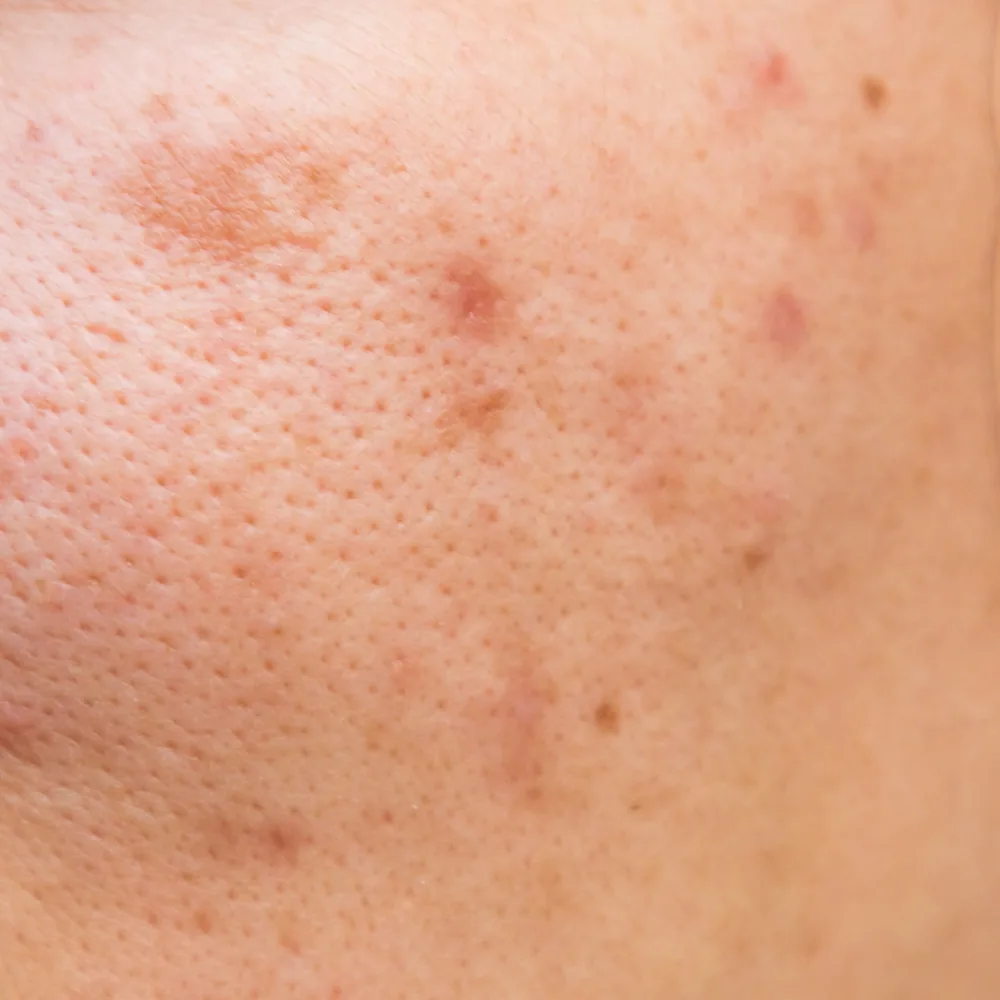
Irregular texture related to past acne, inflammation, sun damage or ageing
A consultation and physical assessment is required to confirm suitability — this page is general education, not a diagnosis.
The current Clinic RX page lists seven treatment options. Suggested treatments are selected after doctor assessment and may be combined according to texture type, skin condition, suitability, response and goals.
Book Consultation 01
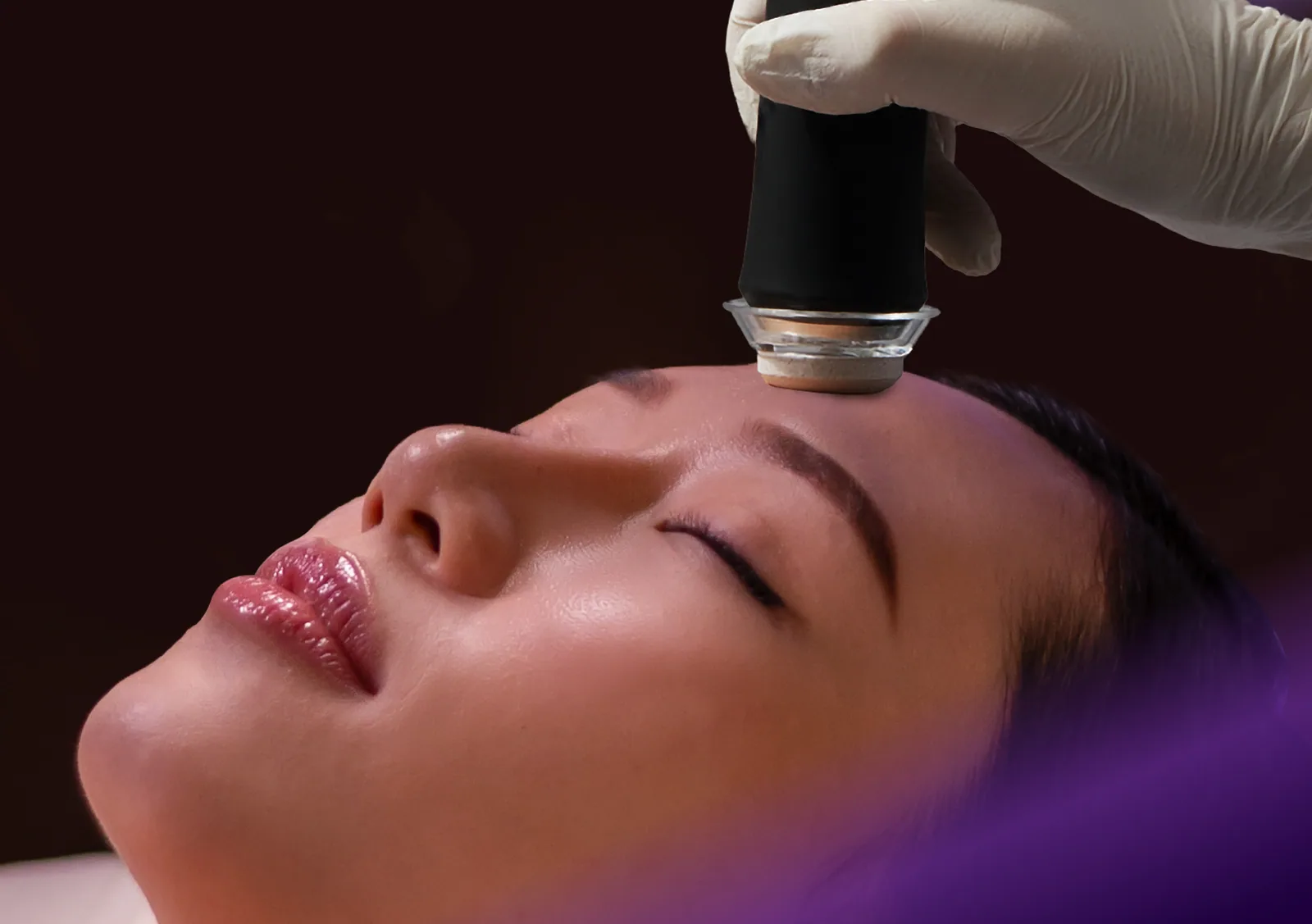
01Deep Cleansing & Pore Refinement
Provides medical-grade deep cleansing and pore refinement to remove buildup and improve surface smoothness.
 02
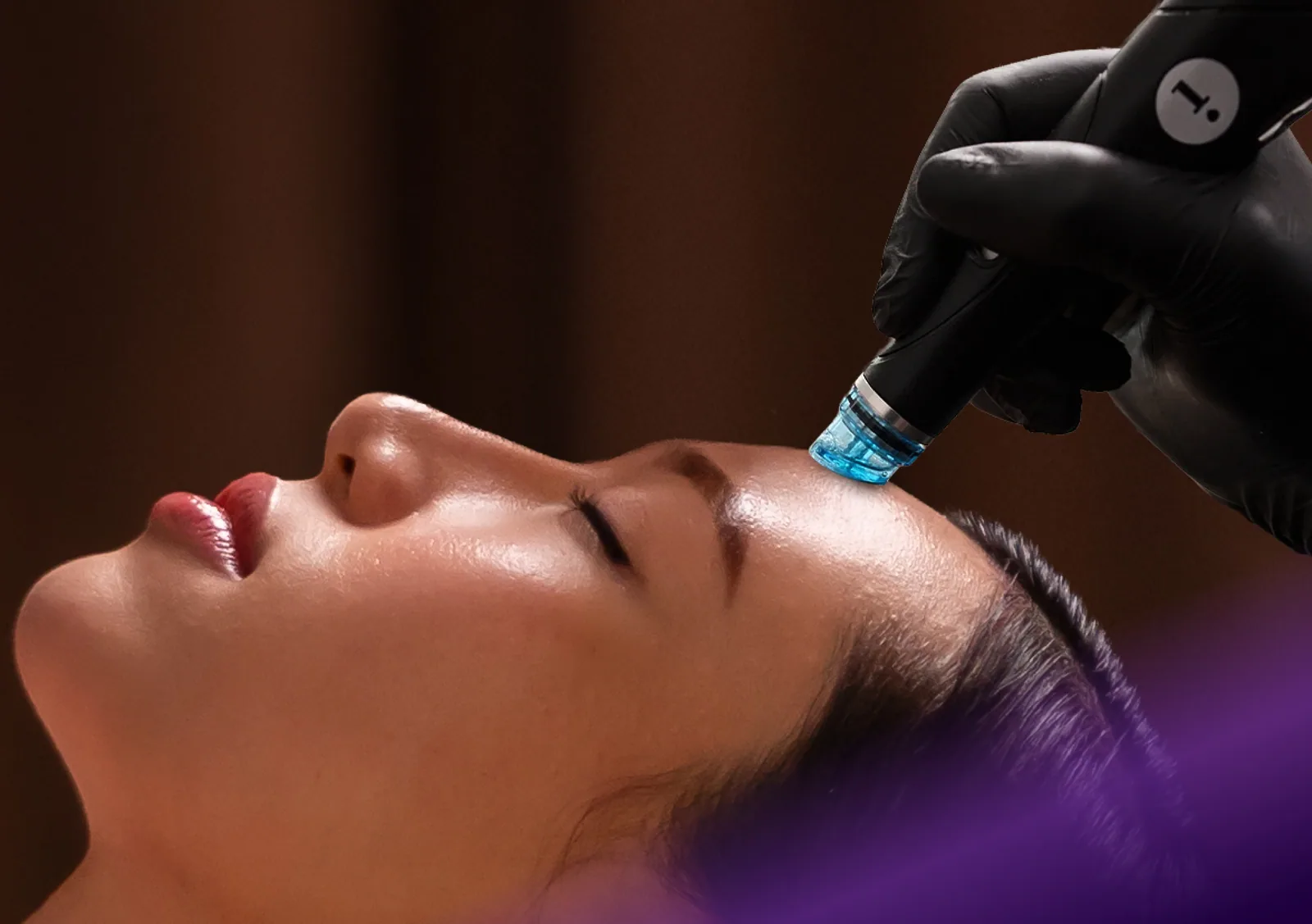
02Exfoliation, Infusion & Oxygenation
Exfoliates the skin while infusing active ingredients and supporting oxygenation for smoother, refreshed-looking skin.
 03
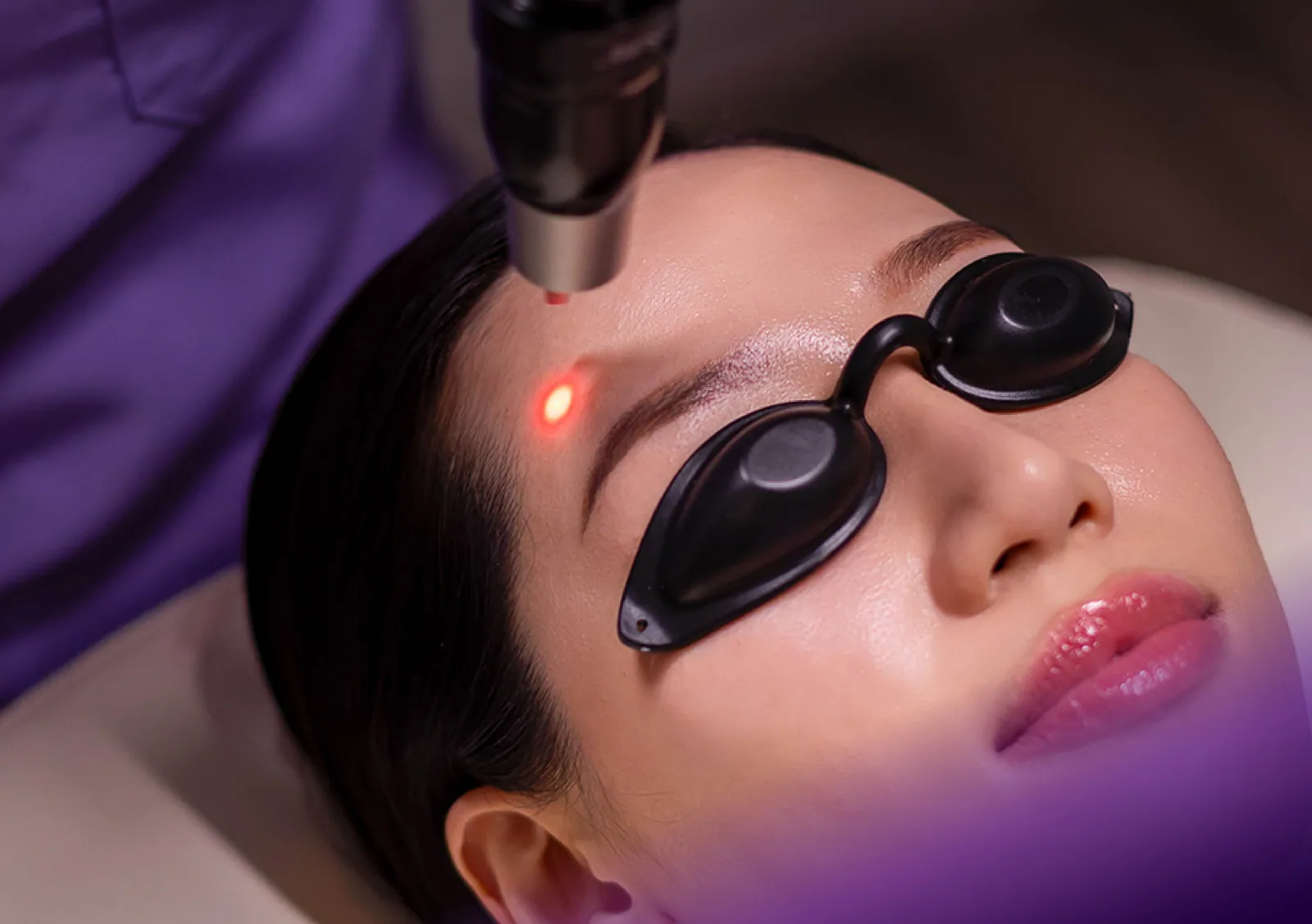
03Deep Cleansing & Hydration
Combines cleansing, exfoliation, extraction and hydration to refine congested texture and support a healthier skin barrier.
 04
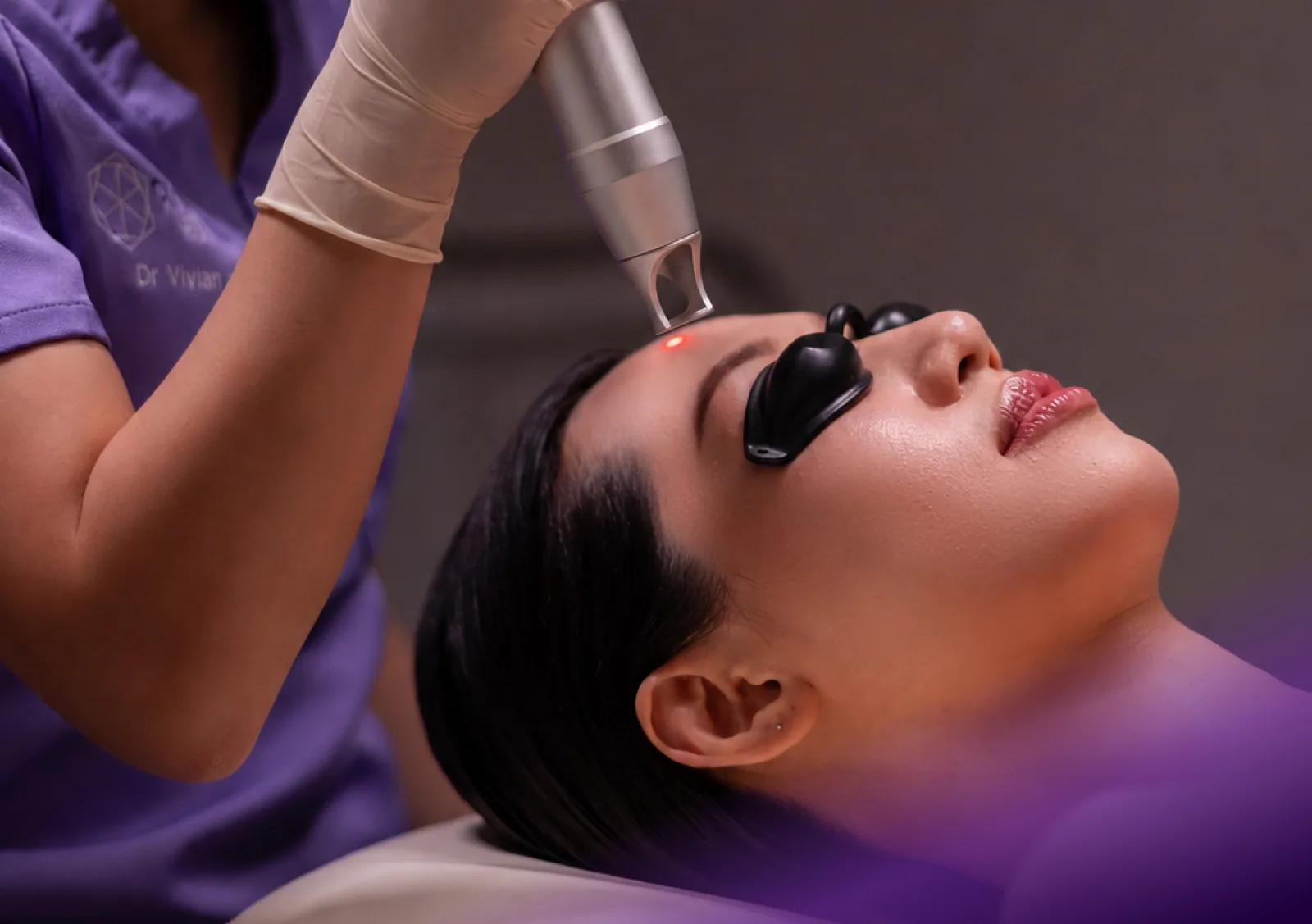
04Resurfacing & Renewal
Uses ultra-short laser pulses to support skin renewal and improve overall texture and tone.
 05
05Skin Resurfacing
Creates controlled micro-treatment zones to stimulate renewal and collagen remodelling for smoother, more even skin texture.
 06
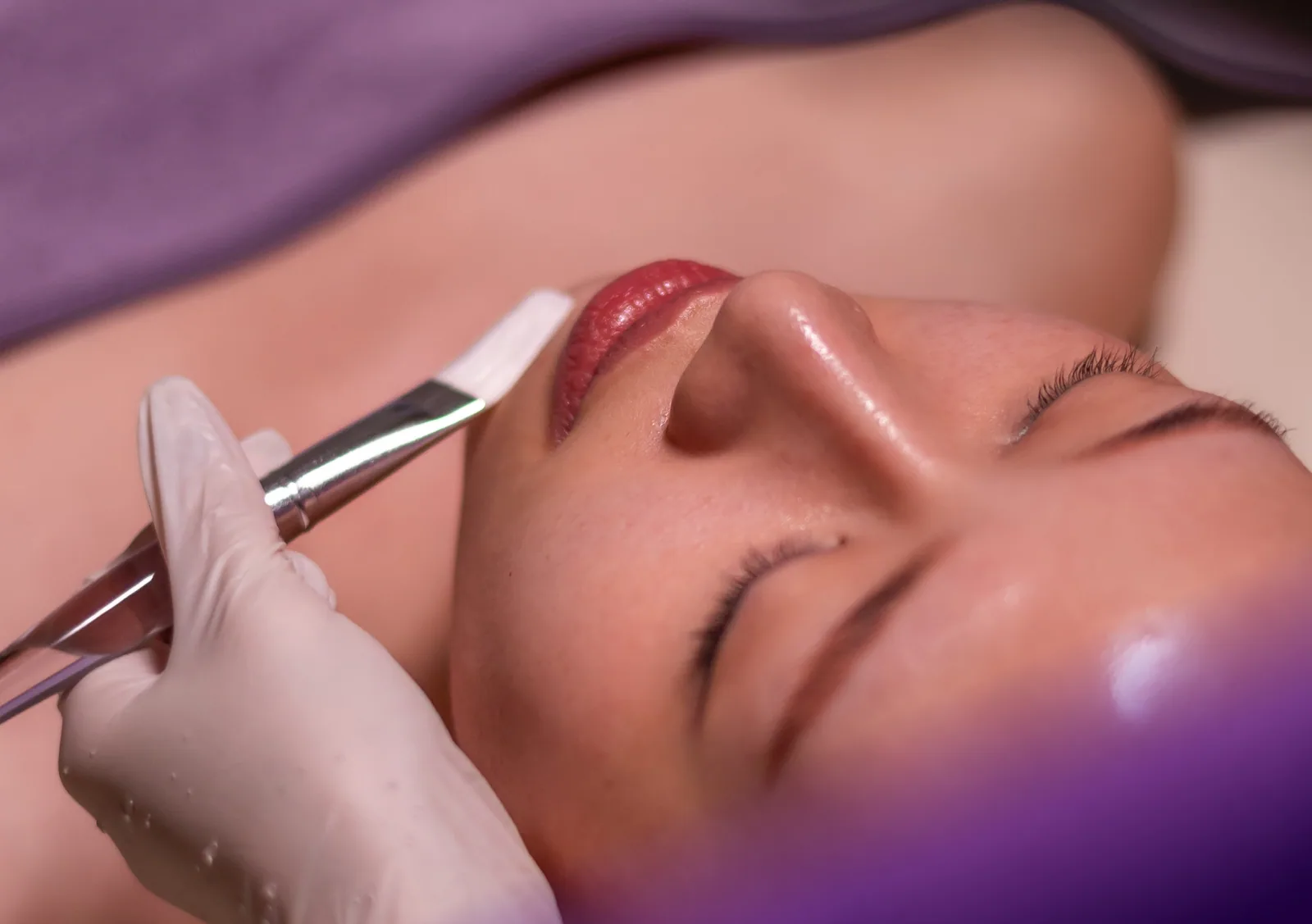
06Surface Renewal
Supports exfoliation and skin turnover to refine roughness, congestion and dull surface texture.
 07
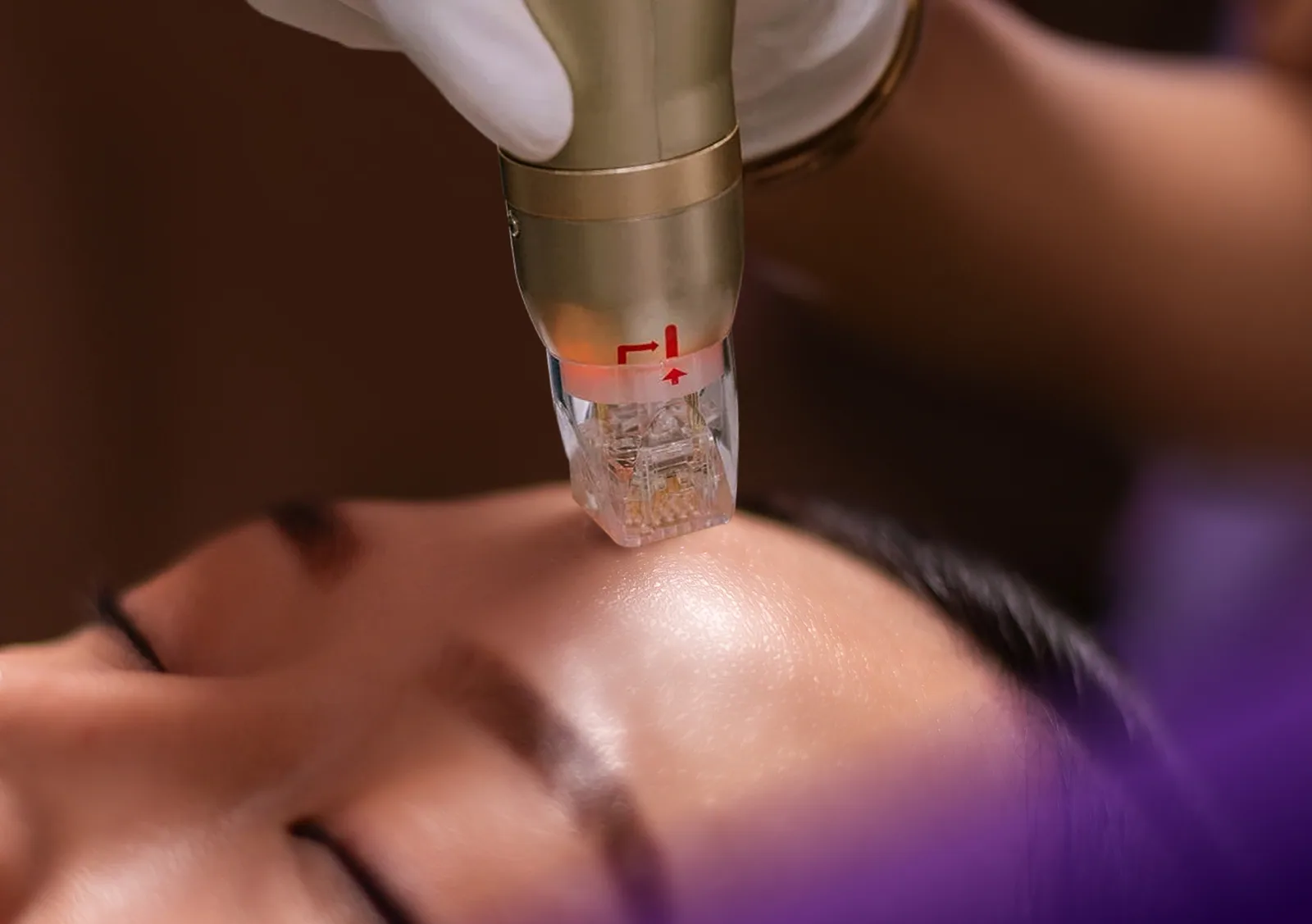
07RF Microneedling & Skin Remodelling
Uses RF microneedling to stimulate collagen remodelling and refine pores and deeper textural irregularities.
A Clinic RX doctor can assess whether your texture concern is mainly surface buildup, enlarged pores, congestion or deeper skin irregularity and help you compare suitable treatments.
All aesthetic skin treatments carry some risk, and individual response varies. Before treatment, your doctor will review your skin condition, medical history and suitability and explain the risks specific to the recommended option.
This is general information, not medical advice. A full risk disclosure will be discussed during your in-person consultation before consent is obtained.
Before-and-after references show individual Clinic RX outcomes. Results vary according to starting condition and treatment plan.
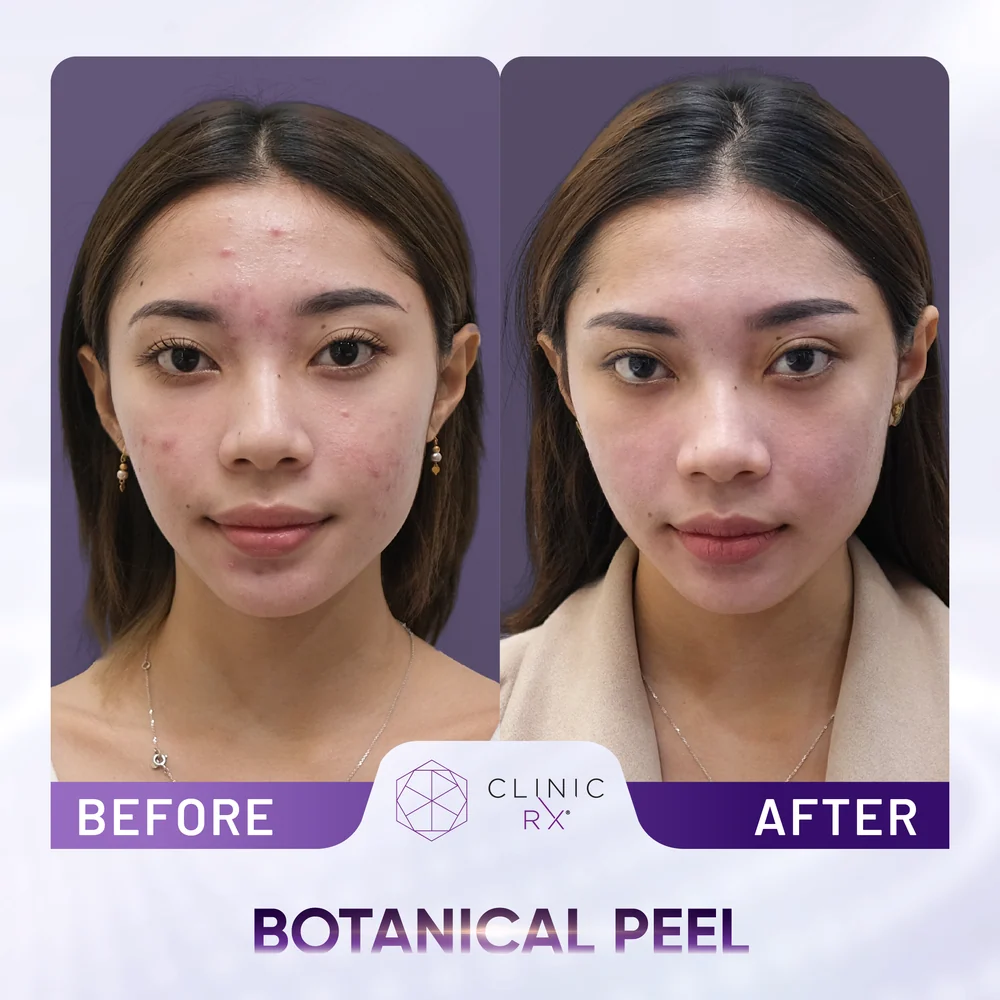
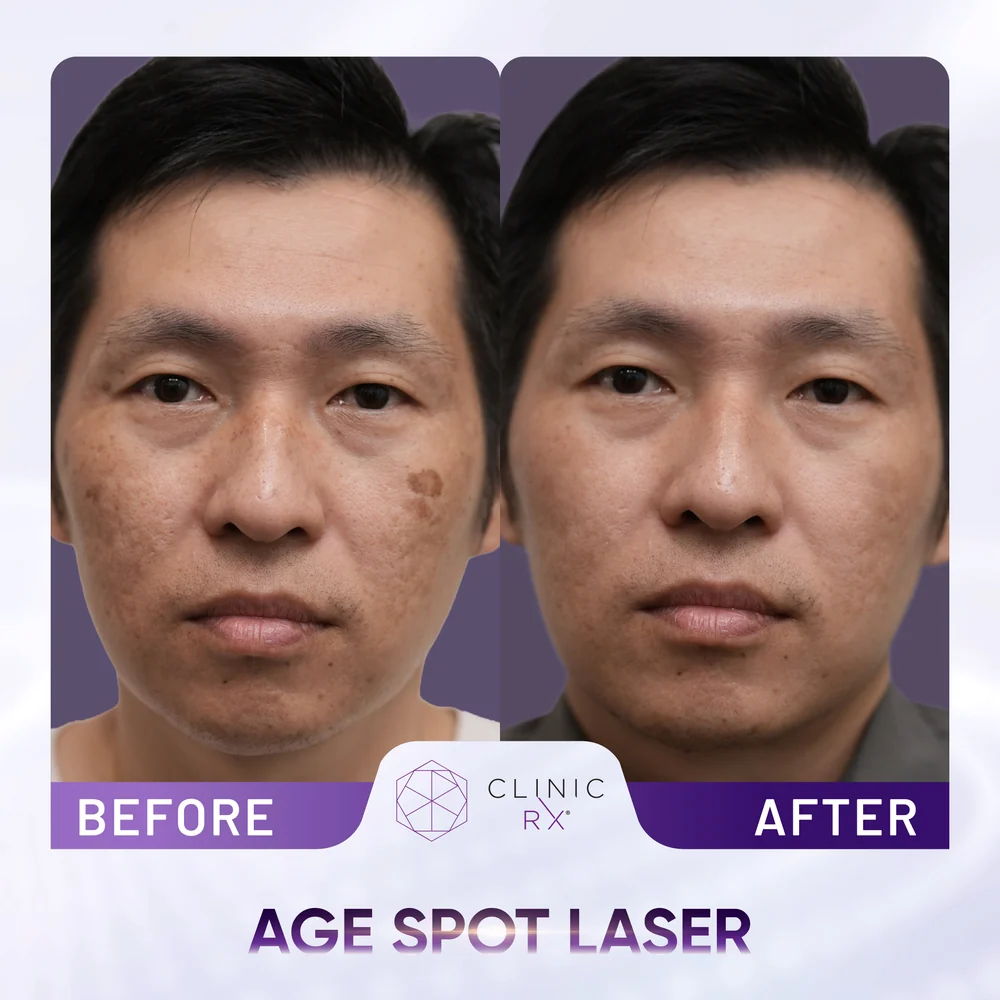
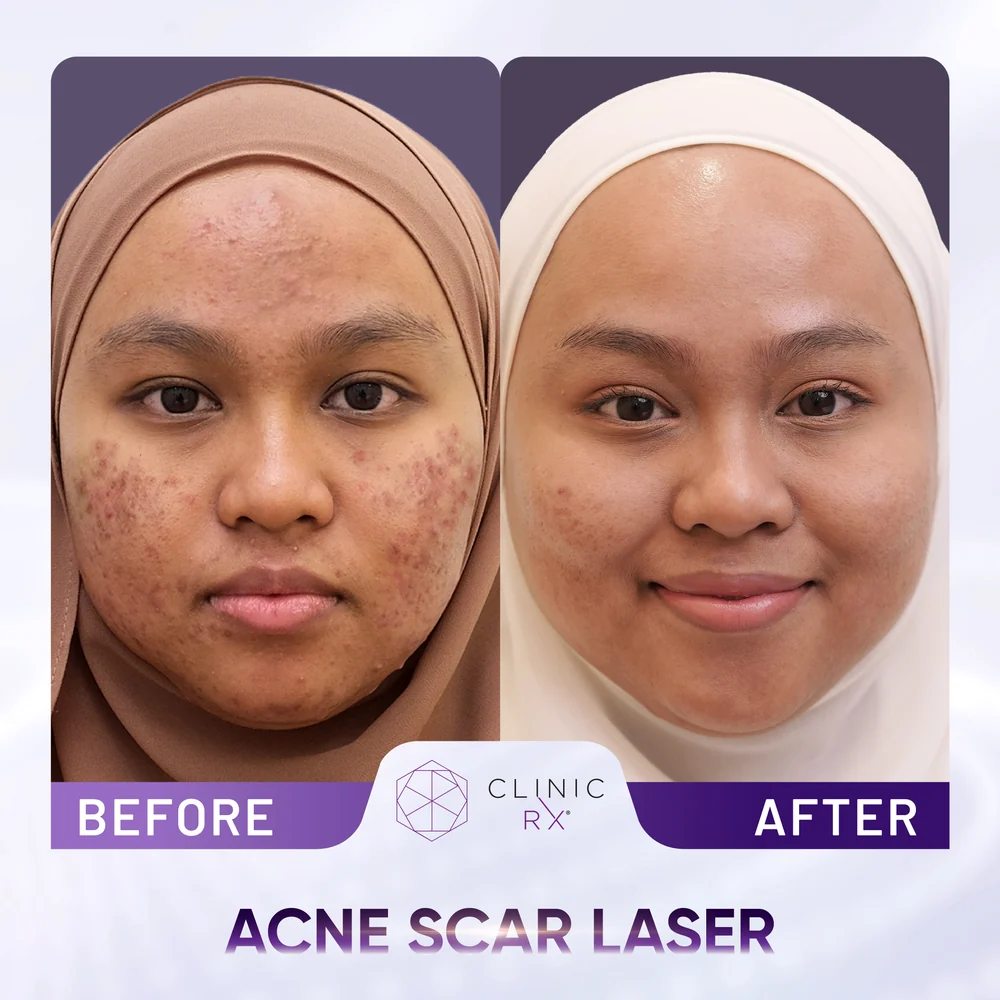
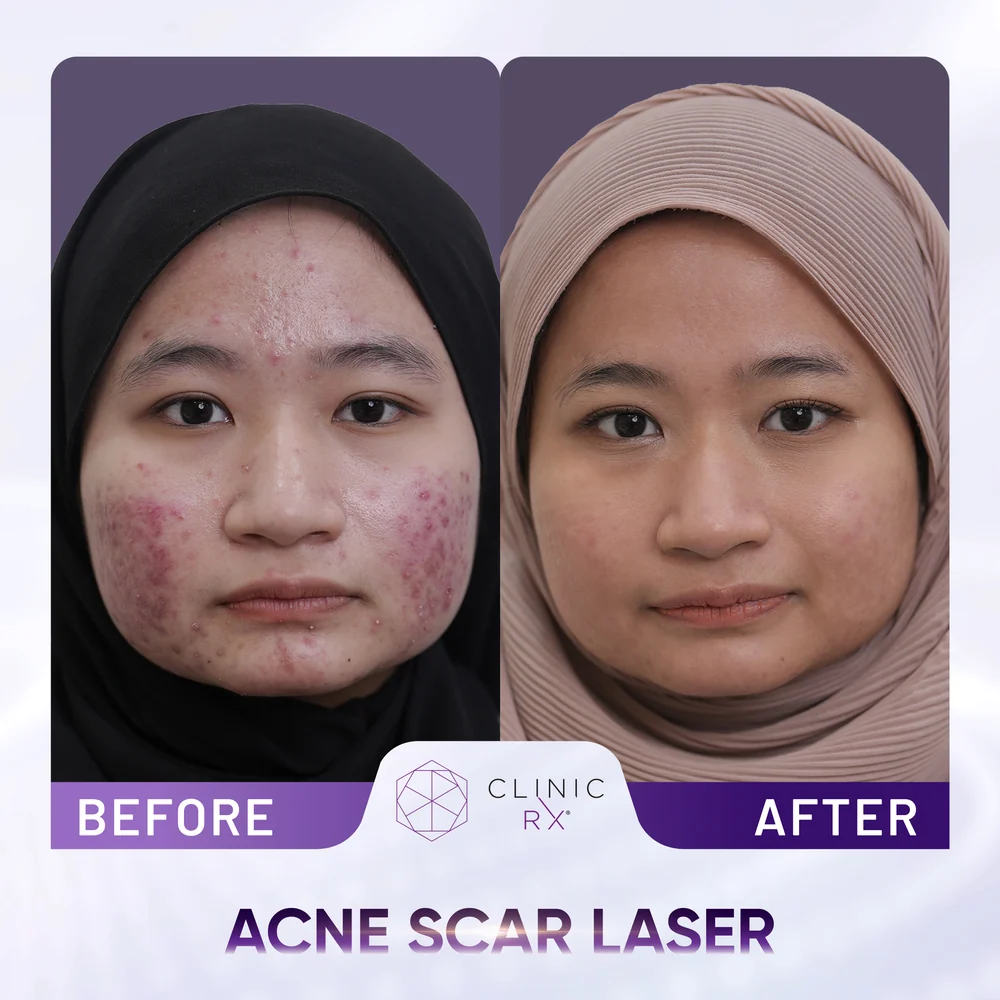
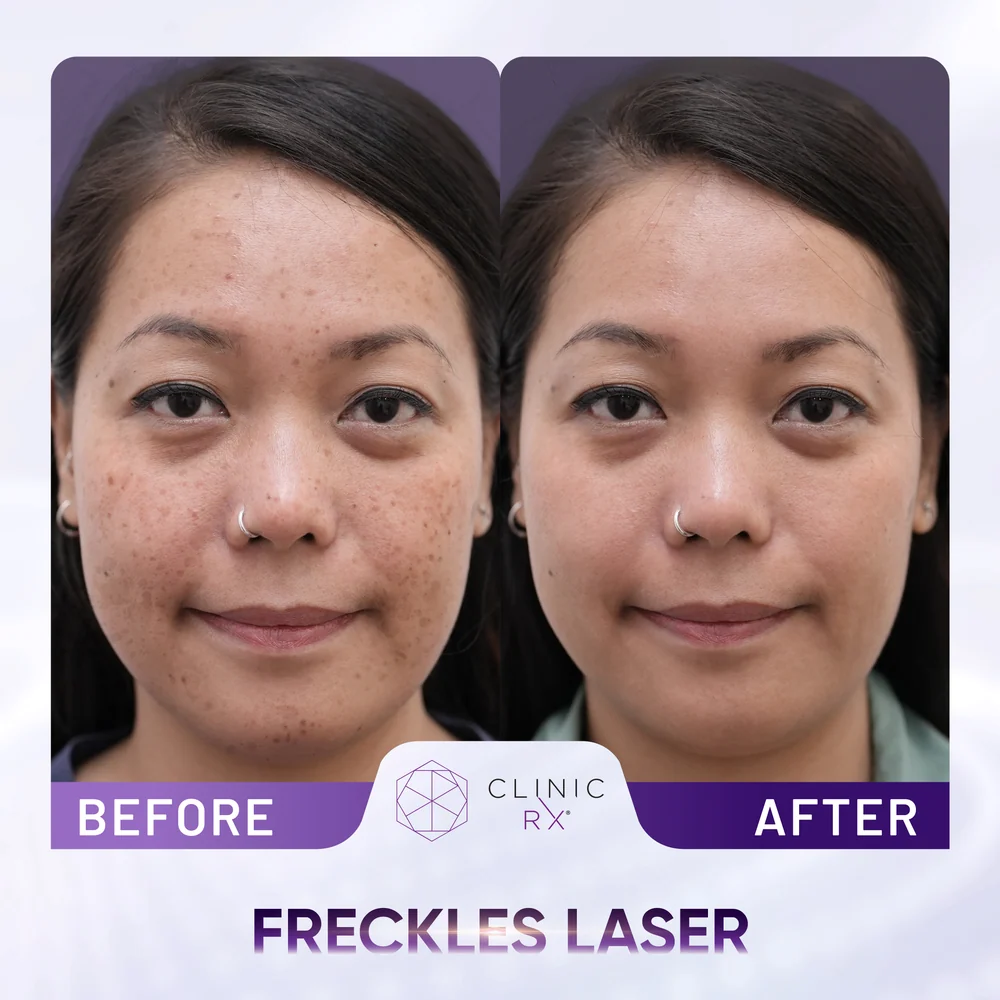
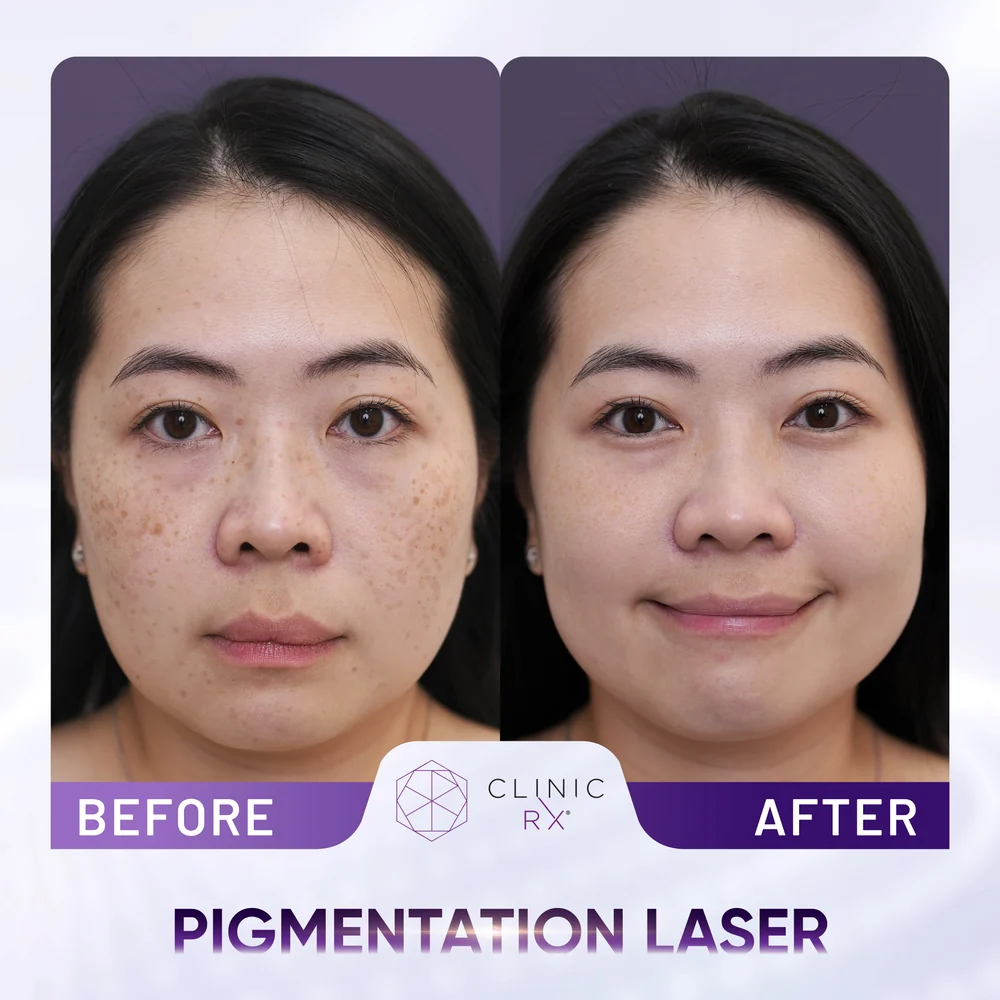
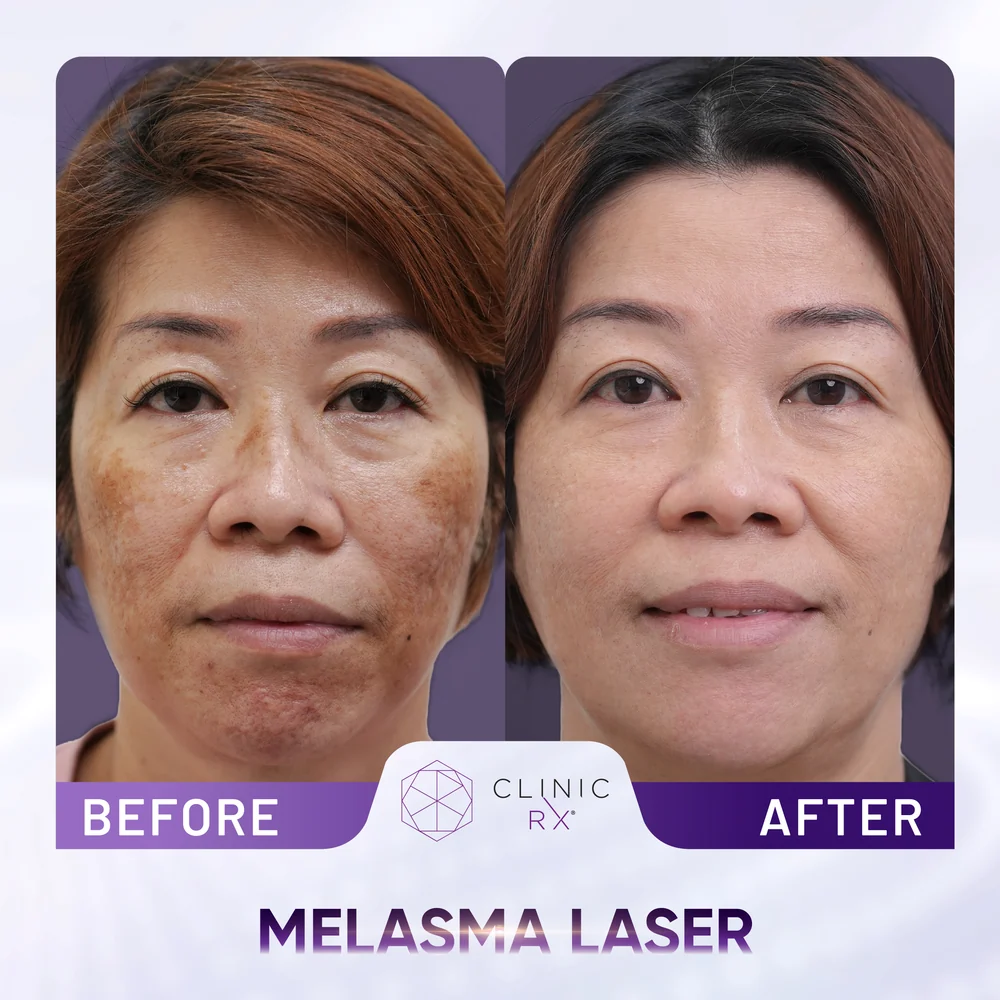
Depending on the texture type and treatment selected, suitable patients may experience:
Texture improvement is usually gradual and benefits from consistent treatment, suitable homecare and sun protection.
Uneven texture may be caused by dead skin buildup, enlarged or clogged pores, sun damage, past acne or inflammation, dehydration, a weakened skin barrier and age-related collagen decline.
Rough or bumpy skin can result from dead skin buildup, dehydration, congestion, clogged pores or other skin conditions. Clinic RX doctors can assess the pattern if it persists.
The approach depends on the cause. Deep cleansing and exfoliation may help surface buildup or congestion, while laser resurfacing or RF microneedling may be considered for deeper textural irregularity.
Pores are a normal part of skin and cannot be permanently removed. Treatment can aim to reduce their visible appearance by improving congestion, oil control, collagen support and surrounding skin quality.
Makeup can settle around dry patches, enlarged pores and surface irregularities, making texture more visible. Improving hydration, barrier function and the underlying texture concern may help makeup sit more evenly.
Yes. Active or past acne can contribute through clogged pores, inflammation and residual surface irregularity. Deeper acne scars are a related but distinct concern and may require scar-specific treatment.
There is no single best treatment. The appropriate option depends on whether the concern is surface buildup, congestion, pores or deeper textural change.
Treatment depends on why pores appear enlarged. Deep cleansing may help congestion, while resurfacing or RF microneedling may be considered when collagen support and skin structure contribute to pore visibility.
Hydrafacial focuses on cleansing, exfoliation, extraction and hydration with little downtime, while Fractional Laser is a resurfacing treatment aimed at deeper renewal and collagen remodelling and generally involves more recovery.
Pico Laser can support overall texture and tone improvement, depending on the treatment settings and underlying concern.
It depends on the cause and treatment. Some facial treatments can make skin feel smoother quickly, while resurfacing and collagen-remodelling treatments improve progressively over several weeks or a treatment course.
If you are unsure whether your concern is mainly roughness, enlarged pores, congestion or deeper surface irregularity, a Clinic RX doctor can assess your skin and discuss which treatment options may be suitable for your concern and goals.
Treatment suitability, expected results, risks, number of sessions and maintenance vary between individuals and will be discussed during consultation.